
People are often judged by their wealth: the rich are listened to and their mistakes overlooked, while those with little are ignored despite their knowledge and ability. An imam, khatib and madrasa teacher writes about this habit on Desh Rupantor's religion page; the views are the writer's own.
The writer quotes a verse attributed to Ali ibn Abi Talib: abundant wealth covers a person's faults, so that even a liar is believed, while scant wealth belittles intelligence, so that even a wise man is thought a fool (Diwan of Ali).
Wealth eases life, meets needs and opens the way to doing good, the writer says, but it is no proof of character, honesty or knowledge. A rich person's dress, lifestyle and standing sway people's judgement, while the same words from a poor person go unheeded. Wealth may be here today and gone tomorrow, so it is unreasonable to make something so changeable the measure of a person's dignity.
Islam gives a clearer measure, the writer reminds readers. Allah says: "Indeed, the most noble of you in the sight of Allah is the most righteous of you" (Surah Al-Hujurat, verse 13). Lineage, nation, tribe, wealth and status are not the measure of excellence; taqwa means fearing Allah and following His commands, avoiding sin and putting His pleasure first in every part of life.
Being rich is not a fault and being poor is no disgrace, the writer says. Islam does not forbid earning wealth lawfully; wealth is a test of how it is earned and spent and whether it breeds arrogance. A God-fearing rich person can use wealth to give the poor their due, help relatives and stand by the helpless, while a poor person can be honoured by Allah for piety, knowledge, honesty and good character.
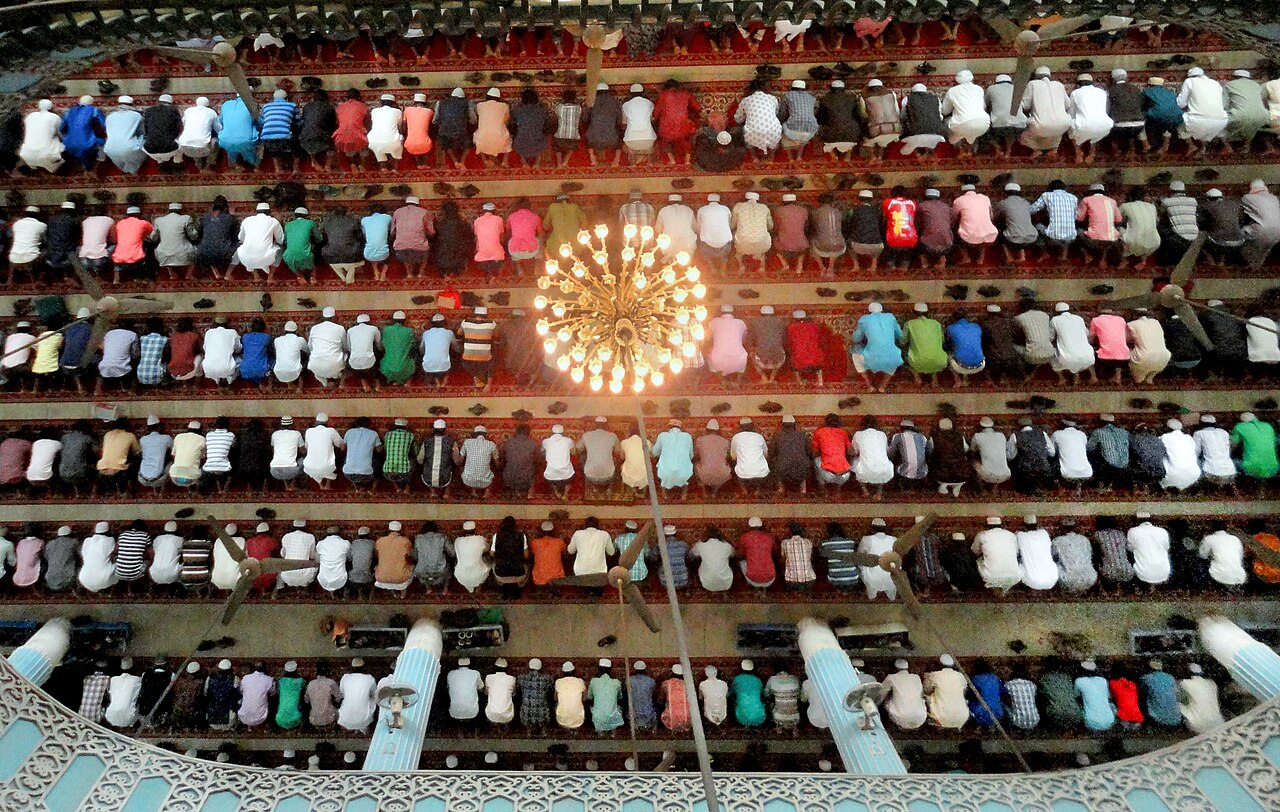
Photo: Shaeekh Shuvro / Wikimedia Commons (CC BY-SA 2.0)
Source: Desh Rupantor

Comments
(0)