
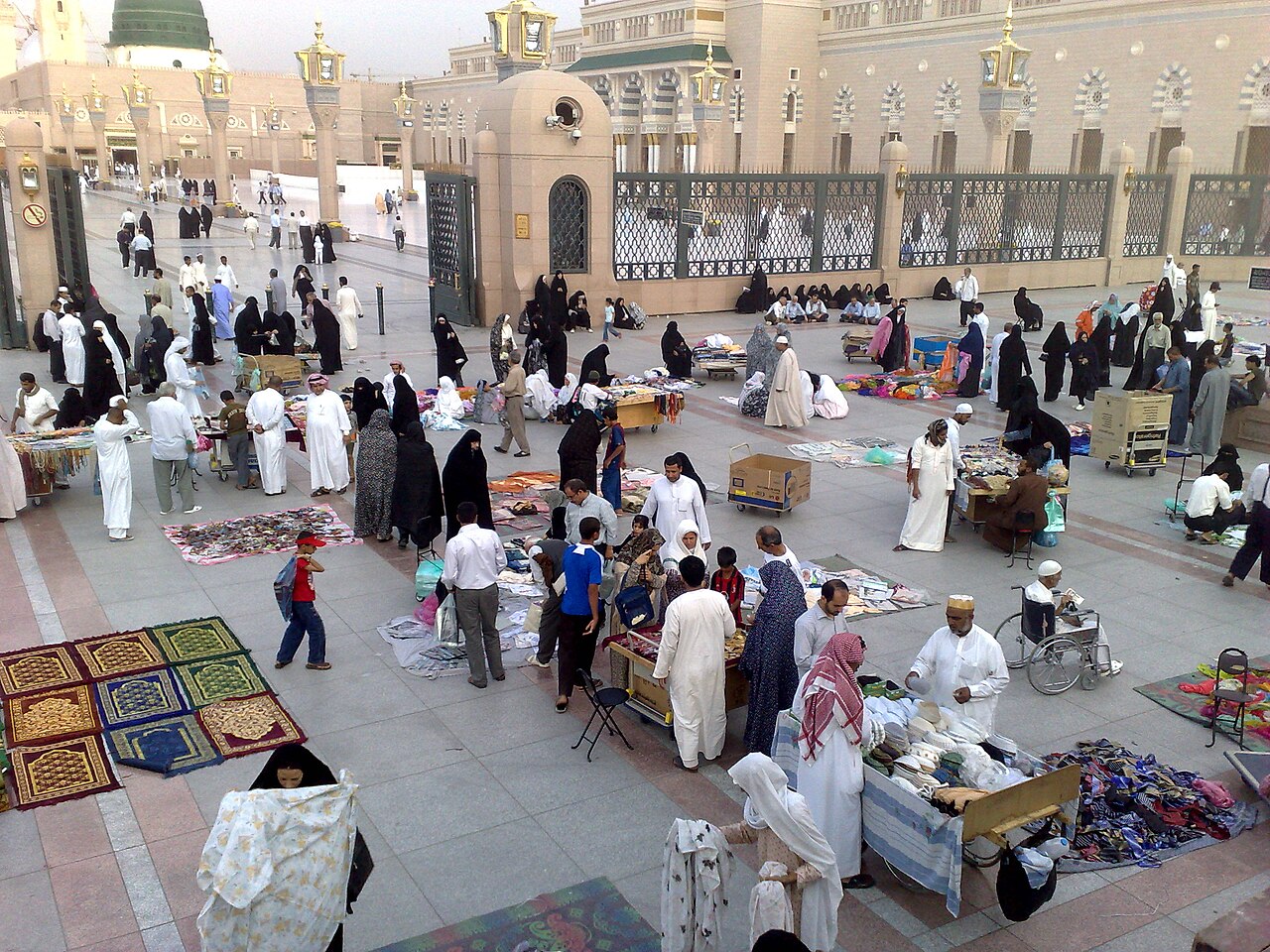
A remarkable story is tied to the largest expansions of Masjid al-Haram in Mecca and the Prophet's Mosque in Medina, centred on the architect and engineer Dr Muhammad Kamal Ismail. Our Islam recounts it as once told by the Egyptian Islamic scholar Dr Zaghloul al-Najjar.
Born on 13 September 1908, Dr Kamal Ismail died on 2 August 2008. After seeing his Encyclopedia of the Mosques of Egypt, King Fahd bin Abdulaziz of Saudi Arabia entrusted him with designing the great expansion of the two holy mosques.
In the early 1980s, to let pilgrims perform tawaf in comfort in the intense heat, heat-reflecting Thassos marble, quarried from about half of a mountain in Greece, was laid in the courtyard of Masjid al-Haram. About ten years later, when the Prophet's Mosque expansion needed the same marble, Dr Kamal travelled to Greece himself, only to be told by the supplier's head that the rest had been sold soon after the first delivery.
Not giving up, he asked a staff member to search the old records and left the number of his hotel. The next day came a call: the buyer had been found, and he lived in Saudi Arabia. Back home, Dr Kamal visited him and found the whole consignment, bought about ten years earlier, lying unused in his warehouse.
He offered a blank cheque, but the owner, learning the marble was for the Prophet's Mosque, refused any money, saying that God had made him buy it and forget it in his warehouse because it was destined for the mosque of the Prophet (peace be upon him). So the marble from the other half of that Greek mountain came to pave the courtyard of the Prophet's Mosque.
This report is based on reporting by Our Islam, citing the Haramain Archive.
Photo: Mondephile / Wikimedia Commons (CC BY-SA 3.0)
Source: Our Islam


Comments
(0)