
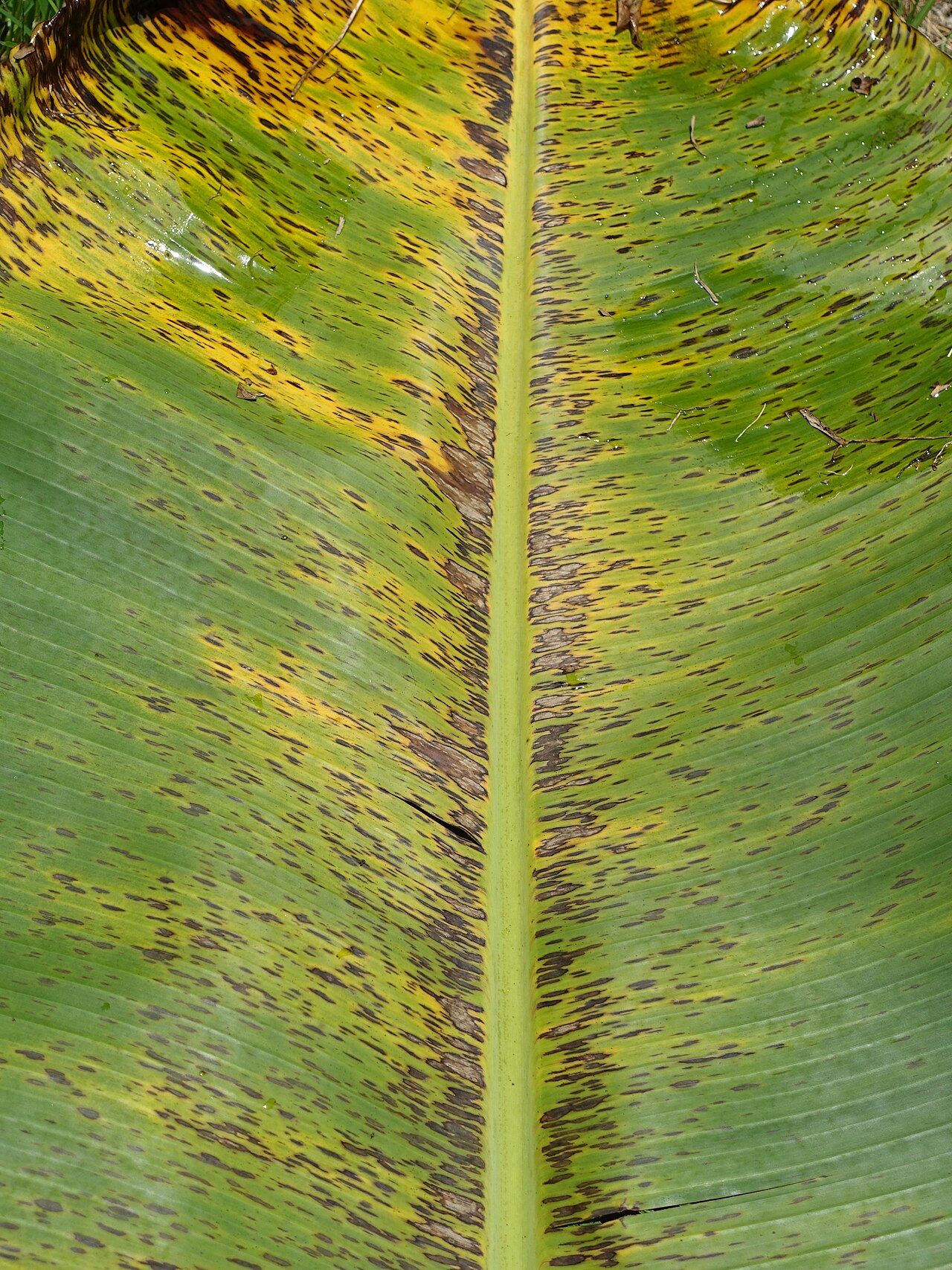
Costa Rica's banana industry is fighting heavier rain, heat and black sigatoka, a destructive fungal leaf-spot disease, with a mix of gene editing, biological soil controls and drone surveillance, Lisakanya Venna writes for Food For Mzansi from an International Federation of Agricultural Journalists (IFAJ) press tour of the country from 18 to 26 October.
Figures from the National Banana Corporation of Costa Rica (Corbana), a non-state public body that provides technical help, laboratory services and research to growers, show that 1,500mm of rain fell in three months at the end of 2024. That contributed to an 11% fall in exports in the first half of 2025 compared with 2024, and full-year exports reached 110.4 million boxes in 2025 against 125.7 million in 2024.
At Earth University, a former commercial banana plantation bought in the late 1980s with backing from the W.K. Kellogg Foundation that still grows bananas commercially, Adrian Jiménez Zúñiga said intense downpours leave ponds that overwhelm plants and roots and cause nutrient deficiencies, and that the humid, waterlogged conditions favour black sigatoka. Farm managers use targeted sprays against outbreaks in the short term, workers bag the fruit by hand, and the farm is trying packaging plastics made from corn.
The longer-term answer lies in breeding and technology, Zúñiga said. Wild resistant varieties are hard to bring in because commercial bananas produce no seed, which is why UK-based research companies are turning to gene editing to develop resistant traits.
Corbana's research covers plant protection, with integrated fungicide programmes, biorational products, citronella and forecasting tools; breeding Cavendish-type hybrids resistant to both black sigatoka and Fusarium wilt Tropical Race 4; biological control using Bacillus and Trichoderma soil microorganisms against soil-borne disease; and root health, fertiliser efficiency and foliar nutrition under climate stress, with drones deployed to spot black sigatoka before it reaches critical stages.
Food For Mzansi says the combination of field management, biological research and strict biosecurity gives South African banana growers, who face shifting climate patterns of their own, a roadmap for protecting future harvests.
Photo: Plant pests and diseases / Wikimedia Commons (CC0)
Source: Food for Mzansi

Comments
(0)