
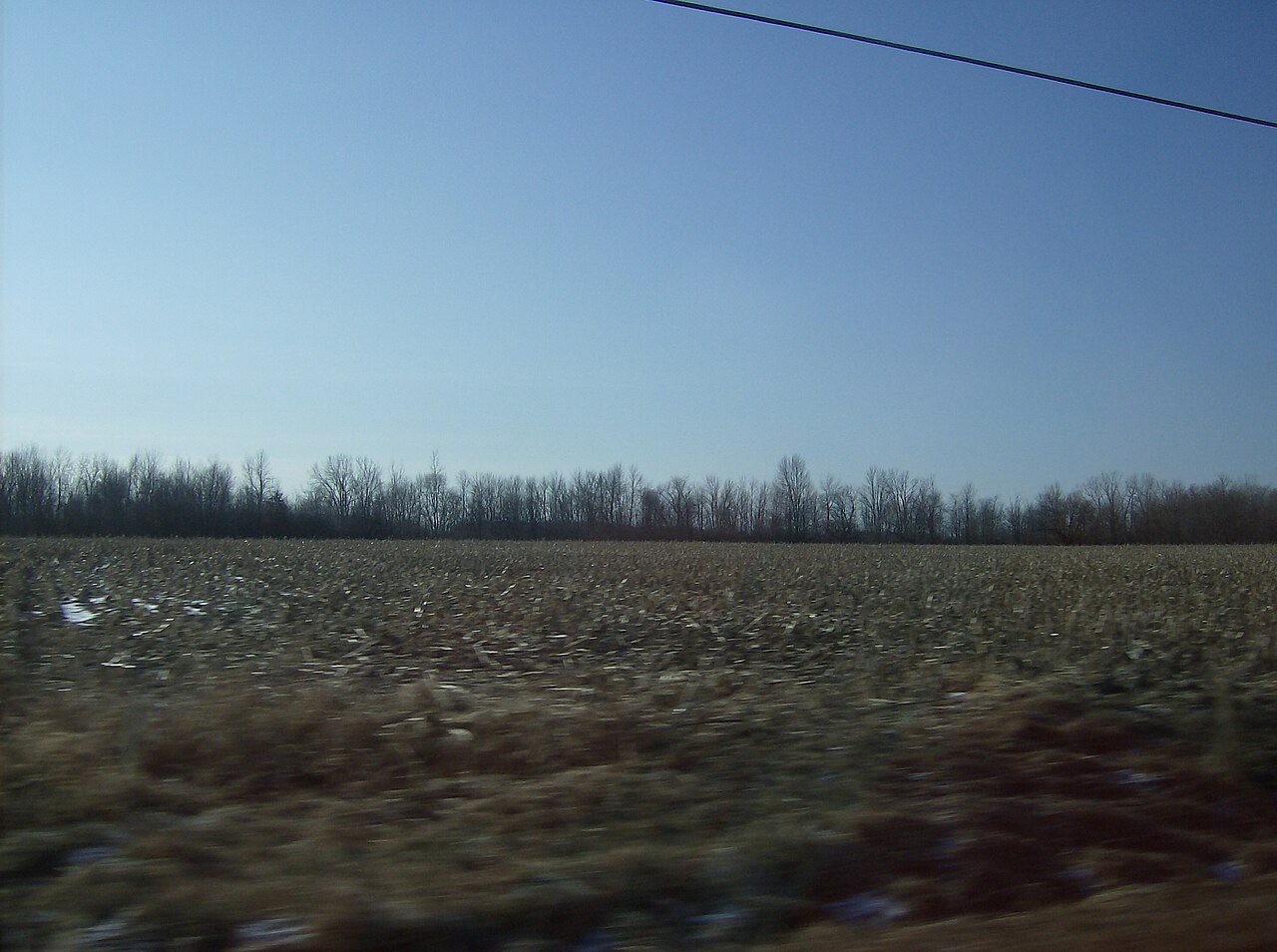
Heavy, uneven mats of corn residue left after harvest can take a double-digit bite out of the next year's soybean yields, Purdue Extension soybean specialist Dr Shaun Casteel told growers on the Purdue Crop Chat podcast, Michigan Ag Today reported. He calls it his biggest agronomic pet peeve.
Thick layers of stalks and husks block sunlight, trap cold spring moisture and form a physical barrier that chokes emerging soybeans, a growing problem as more Michigan growers plant earlier, into April. "What we documented last year: upwards of 11 bushel hit on just one study," Casteel said, urging growers to spread residue well and set the combine properly at corn harvest.
Fall tillage needs care too. Shallow vertical tillage that only slices stalks leaves them free to wash away in heavy rain. "If we're doing some level of vertical till, let's size the residue, but also get a little bit of soil on top to kind of keep that residue down and not wash away," he said.
Residue is only the first step. As growers order seed and plan 2027 this winter, Casteel said variety choice matters most, together with the right seed treatment for early planting, especially in parts of the state with Phytophthora problems. His advice is to pick a variety that fits the field's disease pressure and add a fungicide seed treatment matched to it, rather than paying for blanket add-ons a field does not need, so early-planted soybeans get a strong start in cool, damp soil.
The practical message for any grower planting soybeans after corn: deal with residue at harvest and in fall tillage, and match genetics and seed protection to the field before spring.
Reporting by C.J. Miller for Michigan Ag Today.
Photo: Nyttend / Wikimedia Commons (public domain)
Source: Michigan Ag Today

Comments
(0)