
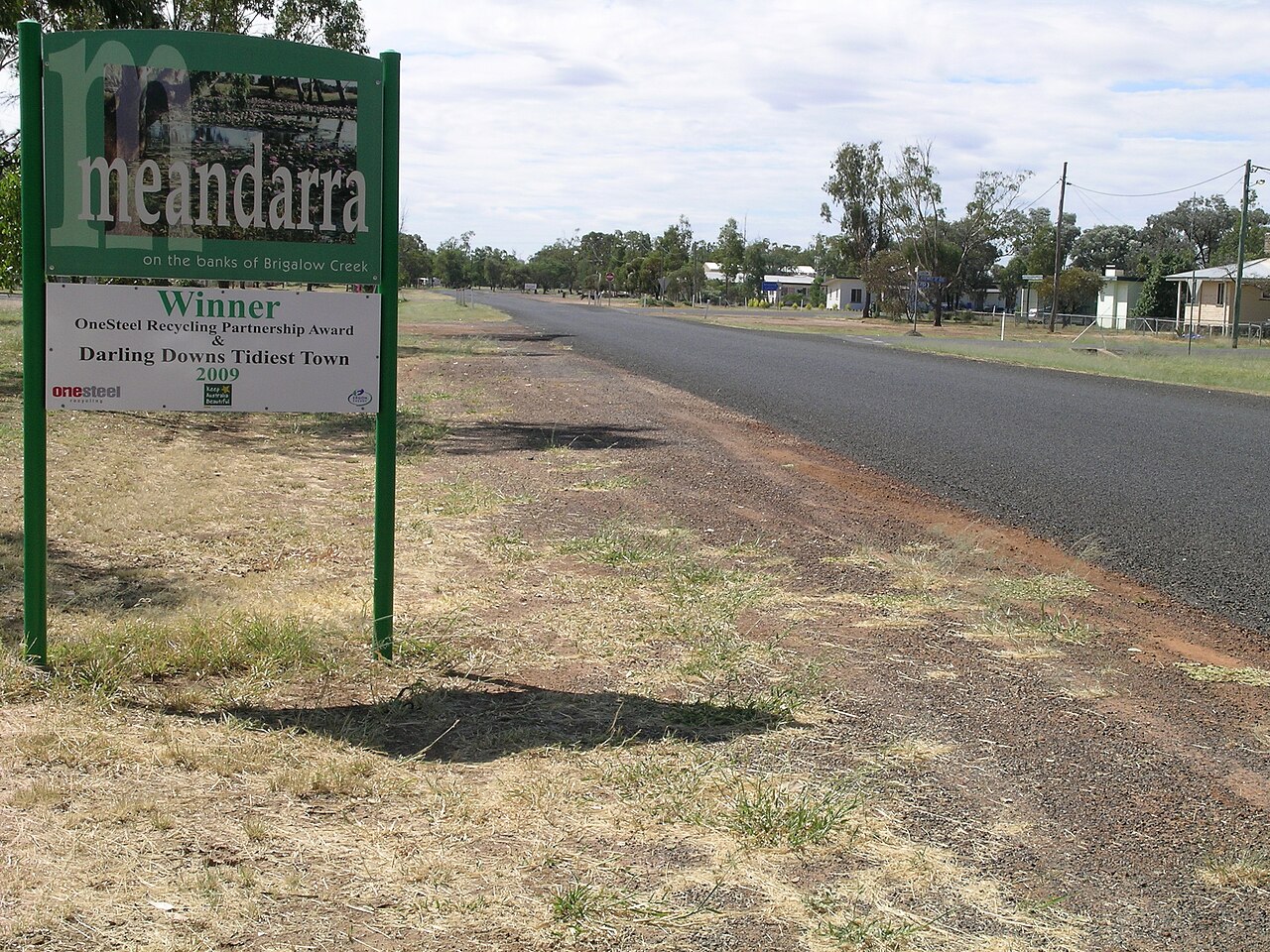
Staff shortages and rising machinery costs pushed Tom Coggan's family to hand fallow weed control to robots. Coggan Farms near Meandarra in Queensland, Australia, runs two SwarmFarm Robotics SwarmBots fitted with Weed-It optical spot-spraying cameras, and during fallow spraying the farm typically uses around 85% less chemical, and in some situations up to 95% less.
The business covers more than 65,000 acres, around 32,000 of them cropped with barley, wheat, chickpeas, canola and sorghum, alongside cattle and lamb feedlots and grazing country. The first robot arrived in December 2021 and the second in 2022. Each carries an 18-metre Hayes boom and a 3,000-litre tank, runs on a diesel engine of about 75 hp and needs refuelling every 24 to 30 hours.
In 2025 the farm added SwarmFarm's AutoFill, an autonomous docking station where a SwarmBot refills its tank and goes back to work without an operator; the system stores, measures and mixes several chemicals and records each fill. "It allows the robots to refill and return to work with minimal operator involvement," Coggan said.
Before the robots, weed control was done with operator-driven tractors carrying camera sprayers. Coggan said there was a learning curve in fitting the technology into daily routines, but that once staff knew the platform, running it became straightforward. He singled out consistency: the robots work with the same accuracy regardless of the hour or operator fatigue, and spraying capacity can grow without hiring in proportion.
The investment is large. According to SwarmFarm Robotics, a SwarmBot costs about AUD 360,000 and AutoFill about AUD 80,000, and some customers pay the machines back in 12 to 18 months through savings on chemicals, fuel and labour, depending on use and input prices. The company also offers an online calculator comparing autonomous, self-propelled and tractor-based spraying costs.
Photo: Cgoodwin / Wikimedia Commons (CC BY 3.0)
Source: Future Farming
Comments
(0)