
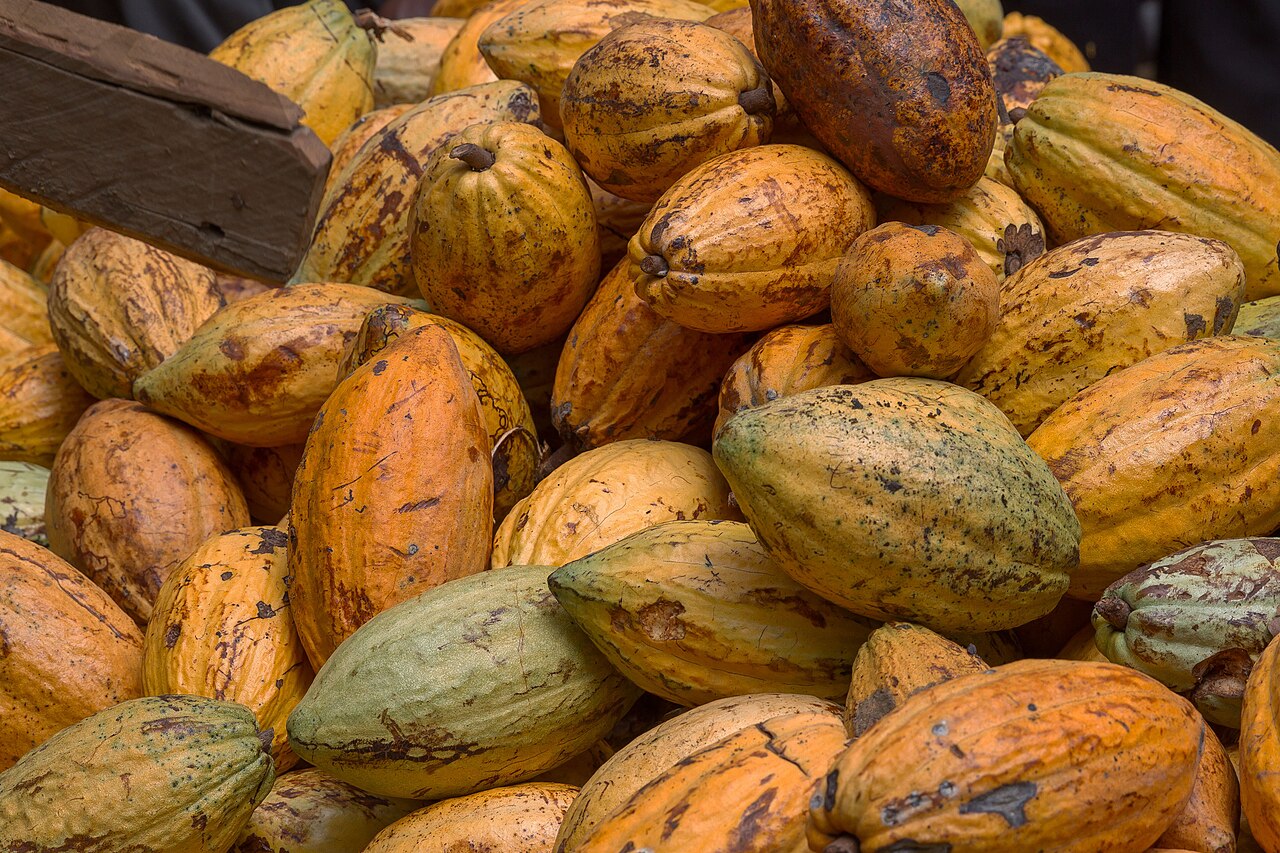
Cocoa prices are swinging again. The market saw an unexpected spike to 6,771.0 US dollars a tonne at the end of August 2026, according to Trading Economics, and prices were rising once more in early October, FoodNavigator reports. For growers and chocolate makers alike, an analyst at the Dutch bank ING says, this is no longer a passing disruption but a set of structural problems.
Climate change is the largest of them. Too much or too little rain, falling soil moisture and heavier disease pressure are cutting into yields year after year. "This is a structural rather than temporary threat," ING says. "These factors reduce yields, increase production costs and discourage farm investment. This will most probably lead to a cocoa bean production decline in the coming years, a trend that may already have begun."
Supply is concentrated. Ghana and Côte d'Ivoire grow more than half of the world's cocoa, and their beans shape the flavour of many chocolate recipes. Ecuador has grown fast on higher-yielding varieties, strong export infrastructure and more planted area; Peru and Colombia have room to expand; and Brazil could be a game changer in volume, ING says, though its farmers will first want to be sure of their future earnings. Nigeria, Cameroon and Sierra Leone could raise output through farm rehabilitation and farmer support. Even so, ING expects West Africa to remain the cornerstone of supply, and stocks remain tight enough for fresh price spikes whenever traders fear a shortage.
For cocoa farming to stay viable, ING says, farms must become more productive, more profitable and more resilient at once, through better agronomy, rejuvenated trees, diversified income and a living income that lets farmers reinvest. Manufacturers and merchants are funding programmes that train farmers in good agricultural practice and agroforestry and supply planting material, and are paying more attention to traceability.
Chocolate makers first passed the cost on, raising prices in 2024 and 2025. In 2026, ING says, premium brands hit the limits of their pricing power as higher shelf prices cut sales volumes, and smaller packs have proved unpopular with shoppers.
Expect more reformulation, ING says: premium brands may keep to real cocoa while mass-market products turn to cocoa extenders, alternative fats or cocoa-free ingredients made from fermented grains and pulses, carob or precision fermentation, from start-ups such as Win-Win. These alternatives are expected to grow quickly in mainstream uses such as biscuits, coatings and bakery, but not to replace cocoa outright.
Reported by Donna Eastlake for FoodNavigator.
Photo: USDA / Wikimedia Commons (Public domain)
Source: FoodNavigator

Comments
(0)