
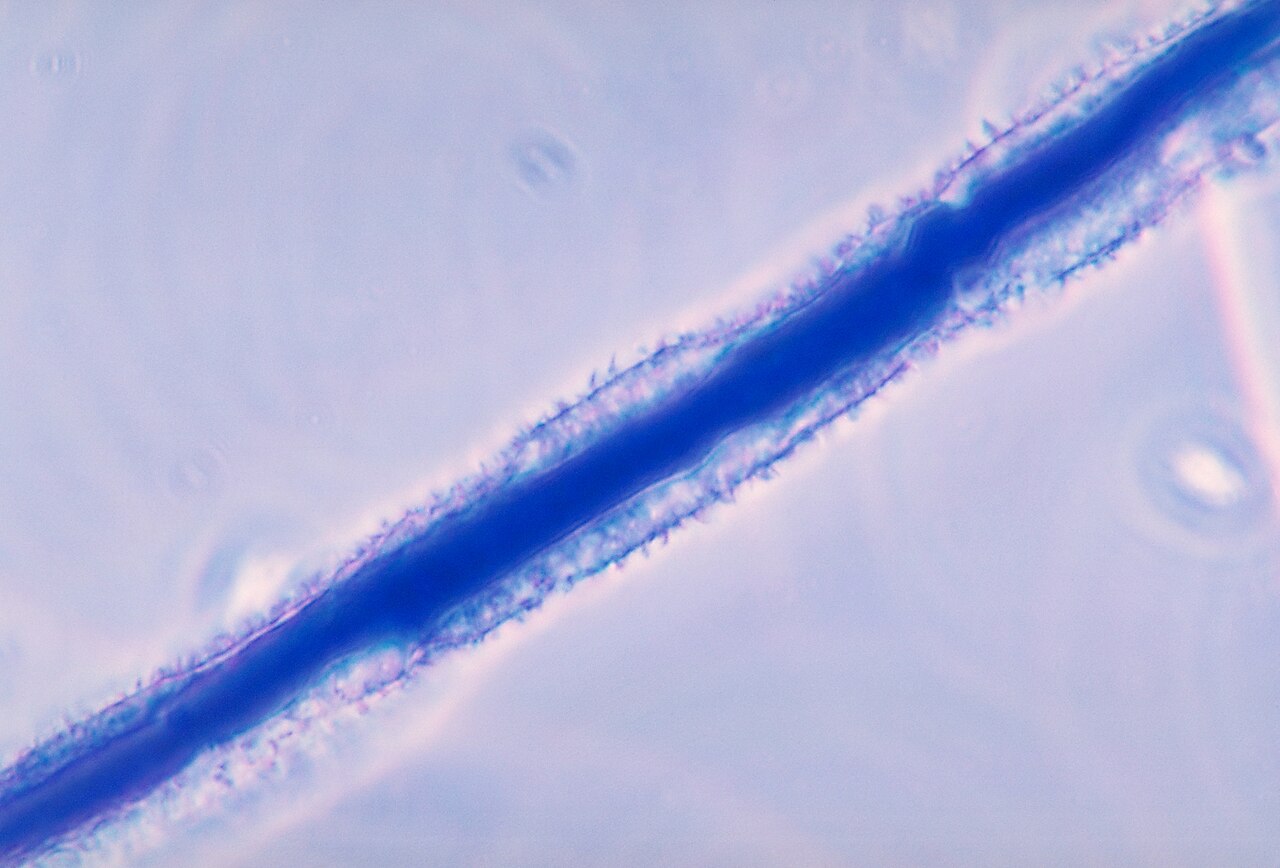
Climate change is creating ideal conditions for the moulds that produce mycotoxins in food crops, and there is still no way to remove the risk entirely, Associate Professor Dr Nik Iskandar Putra Samsudin, a toxicologist at Universiti Putra Malaysia, told the Fi Asia 2026 show in Jakarta, Indonesia.
Mycotoxins are toxic compounds made naturally by microscopic fungi. They contaminate cereals, nuts, spices and fruit, and are known to cause serious disease and death. More than 300 fungal species and over 400 mycotoxins and related compounds have been identified, he said, but that knowledge has not yet turned into effective prevention.
According to the toxicologist, even tiny amounts can damage vital organs, harm DNA and weaken the immune system. The toxins are invisible and odourless, do not change how food looks or tastes, and are chemically and thermally stable, so ordinary cooking and processing do not break them down. He said they are easily absorbed, and a breastfeeding mother who is exposed can pass them to her infant.
Climate change adds a new pressure, he said. Rising temperatures and carbon dioxide levels, with more volatile weather, favour fungal growth, while heat and weather stress weaken both crops and livestock. Stressed plants attract more insects and disease and are more easily contaminated. Because animals also eat contaminated feed and the toxins survive digestion and cooking, people can be exposed through meat as well as crops.
"The ultimate question should no longer be whether we can stop this from happening, but whether our food systems can become sufficiently intelligent and resilient to predict and prevent the fallout of this," he said.
His advice to businesses handling grains, spices and other at-risk products is to focus on prevention: keep containers clean and store produce cool and dry, avoiding the damp and heat in which mould thrives. Consumers, he said, should buy from reputable brands and avoid buying grains, nuts or spices in bulk, so they are used before mould can grow.
The report was written by Pearly Neo for FoodNavigator.
Photo: CDC / Wikimedia Commons (public domain)
Source: FoodNavigator
Comments
(0)