
Two words heard a great deal these days are "climate change". What does it actually mean?
The average pattern of weather in a place over years is called its climate. When that familiar pattern changes, it is called climate change.
The Earth is getting warmer, and as a result the long-familiar behaviour of the weather is changing fast.
People
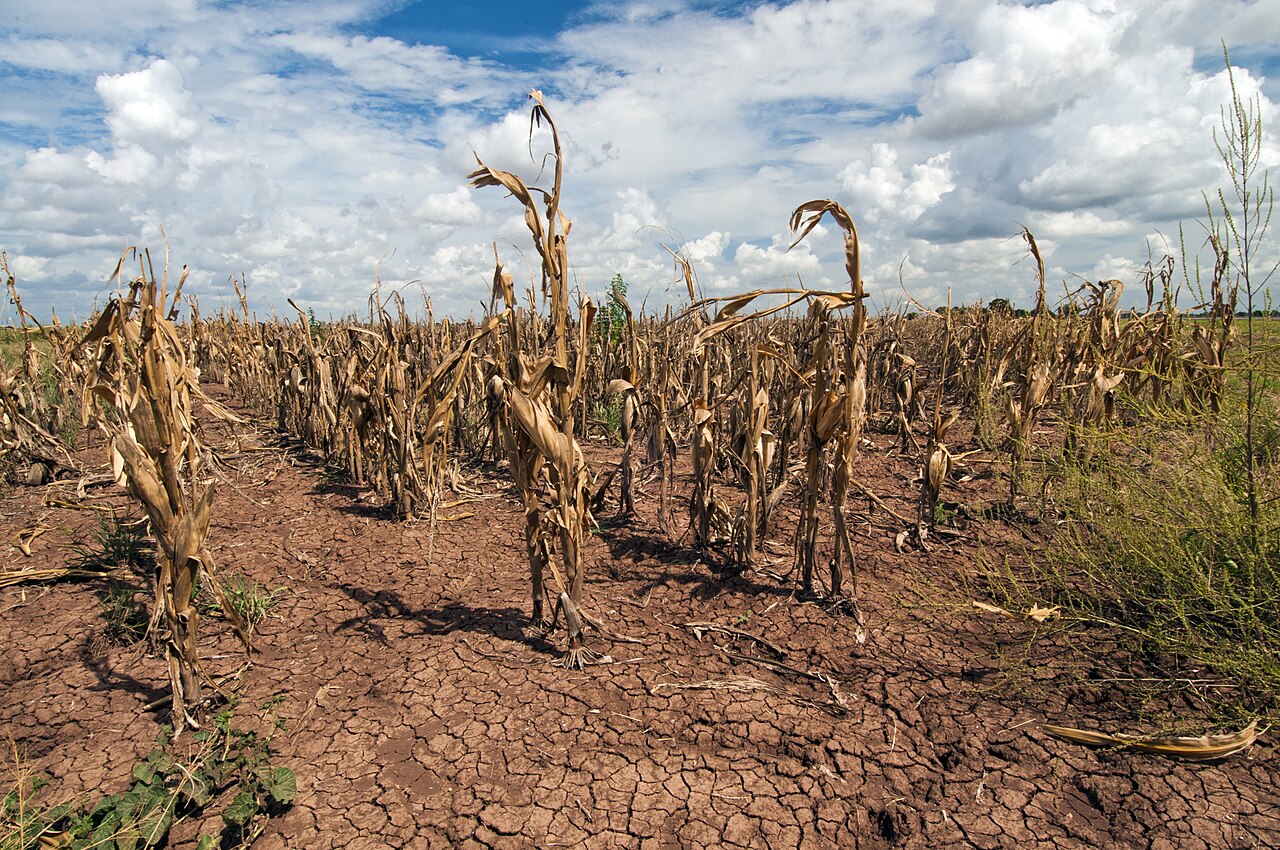
First, what does this change mean for people, for us? Scientists say climate change will change the way we live. There will be water shortages, and producing food will become harder.
Some regions will become dangerously hot, and rising seas will flood many areas, making them uninhabitable.
Extreme weather
As well as extreme heat, heavy rain and storms will become abnormally frequent, threatening lives and livelihoods. Poor countries have less capacity to cope with these dangers, so they will be hit hardest by extreme weather.
Environment
As temperatures rise, the frozen ice of the North Pole and glaciers are melting fast. Sea levels are rising, putting low-lying coastal areas at risk of going under.
In regions such as Siberia, as the frozen ground thaws, methane gas trapped beneath the ice will escape into the atmosphere. Methane, another greenhouse gas, will then add to climate change, warming the Earth further and raising the risk of forest fires.
Nature
As the weather changes in their familiar habitats, many animals will move, or try to move, to new places.
But the climate is now changing so fast that many species will be wiped out. For example, the polar bear of the Arctic is endangered as the ice melts.
Source: BBC Bangla. First published in Bengali on The Agro News.
Comments
(0)