
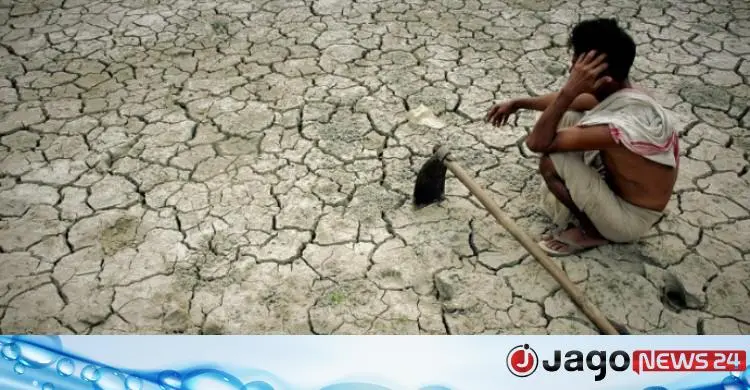
Bangladesh is known as the land of six seasons, but that seasonal variety is now changing. Weather experts blame climate change. Drought, rain, flood, cold and heat no longer wait for their season; rain may fail to come when due, yet heavy untimely rain is felt all too keenly.
Winter and the monsoon no longer keep to their usual times either. This is hurting farming. River erosion is increasing, as is the salinity of sea water, and in coastal areas river erosion is leaving people homeless.
Floods out of season
Floods, too, are striking out of season, affecting life, nature and the seasons. The World Meteorological Organization and the UN's Intergovernmental Panel on Climate Change (IPCC) say massive carbon emissions from industrialised countries are pushing world temperatures up day by day and making nature hostile. Excess carbon emissions from rich, industrialised countries are changing the climate, and Bangladesh and other countries are paying the price. As a result, natural disasters such as storms, floods, drought, excessive rain and lack of rain are increasing in the country.
The weather's erratic behaviour will grow further in the days ahead. Those concerned say erratic weather is nothing new, but its rising intensity is a clear sign of climate change. For thousands of years Bangladesh has been known as a land of six seasons, in which Kartik and Agrahayan make up Hemanta, the late autumn. But in recent years Hemanta has hardly been felt, with intense heat by day and only a slight chill in the middle of the night.
In Hemanta, fields in remote parts of the country are normally full of golden crops, and paddy begins to ripen in Kartik, its first month. Yet even at the end of Kartik there is now no sign of winter. This Baishakh, a few days ago, the capital and divisional cities went under water, and people suffered from waterlogging; such is the nature of Baishakh now, the article says. According to the international weather organisation, South Asian countries receive 1,000 mm of rain a year. If rainfall rises further, more than 13 crore 70 lakh people in Bangladesh, India and China will be at risk. Since 1950 the world's highest death tolls from rain have been in China, India and Bangladesh.
Farmers hit hardest
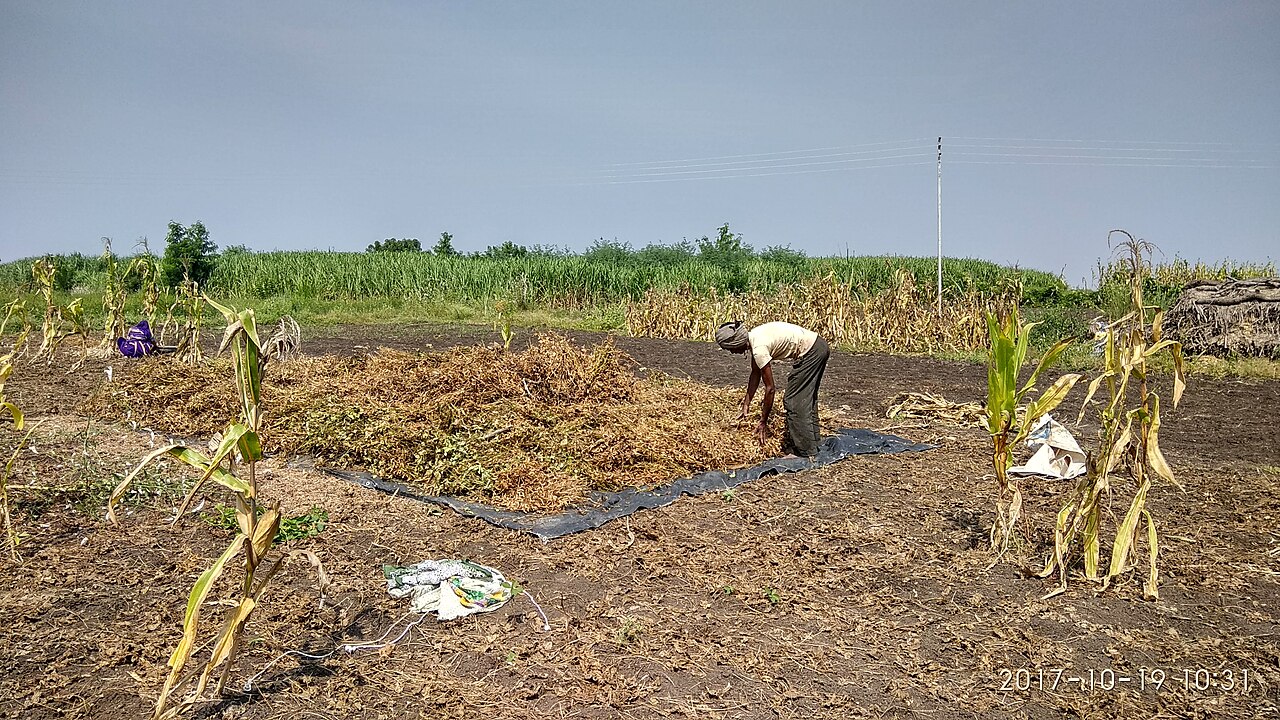
According to the Université catholique de Louvain in Belgium, 22 lakh people have died in rain and floods since 1950. Farmers are the biggest victims of this change in rainfall patterns. A study on the effects of climate change in Bangladesh says sea level will rise by 20 cm by 2050. At present 43 lakh people in coastal areas are directly affected by climate change; by 2050 that number will reach 53 lakh.
A World Bank study found that 25 lakh poor people in south-western Bangladesh, 14 lakh of them extremely poor, face shortages of drinking water and of water for dry-season farming because of salt water. The study says this salinity will increase further by 2050, when 52 lakh people will be affected. Temperatures in the region are also changing frequently.
Sea levels are rising. This year the hills received more than 400 mm of rain, causing landslides. This time the axis of the monsoon in the northern Bay of Bengal was active over India's Odisha and Uttar Pradesh. Stretching north to south, this cloud mass is bringing heavy rain to the Himalayan foothills, where the Brahmaputra and Ganges basins originate.
Paris promises and El Nino
Climate change is causing untimely rain, drought and floods. Under the Paris Agreement, industrialised countries are supposed to provide 100 billion dollars a year, but many of them, including the United States, are looking for loopholes to leave the agreement. Unless the developed world reins in climate change now, the least developed countries will suffer from the weather's hostile behaviour.
Because of climate change, South Asian countries are victims of El Nino. In some years there is severe drought in the farming season; in other seasons there is excessive rain or frequent flooding. This hostile weather is hitting agriculture directly.
Groundwater shortages in the Barind region and the south-west are also growing day by day. If this continues, the current farming system will face disaster. A research report titled 'Climate of Bangladesh', published at the initiative of the Bangladesh Meteorological Department, shows the weather's hostile behaviour. It found that rainfall is rising each year by 36 percent in Teknaf, 22 percent in Cox's Bazar, and 15 and 10 percent in Patuakhali and Barguna. On the other hand, rainfall is falling by 20 percent in Bhola, Khulna-Bagerhat and Satkhira.
The study found that rainfall in Chattogram division has risen steadily over the past 30 years. Those concerned fear excessive rain is causing more landslides in the hill districts, while falling rainfall in the south-west is raising salinity and disrupting crop production.
Climate change has put the country's agriculture and seasonal variety in crisis. Agriculture is suffering heavy losses, and people's habits and ways of life have changed greatly. There is no alternative but to adapt to nature's new behaviour. If industrialised countries do not cut carbon emissions, the problems will grow in future.
Source: Jagonews24. First published in Bengali on The Agro News.
Comments
(0)