
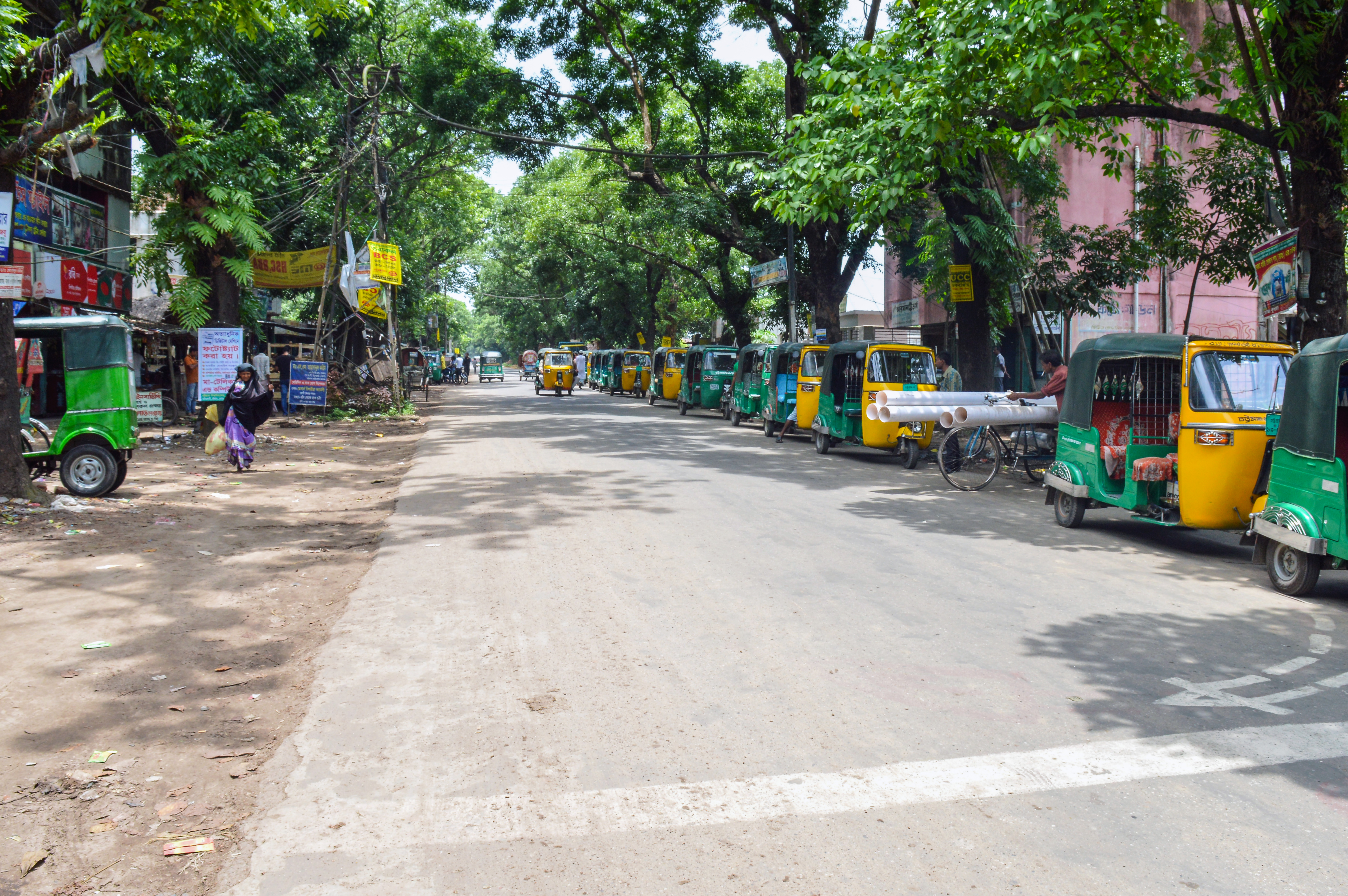
A student of the University of Chittagong (CU) was bitten by a venomous snake on the night of Wednesday 8 July 2026, on the road beside Khaleda Zia Hall, a women's residential hall on the university's campus in Hathazari upazila of Chattogram. He was walking back from a private tuition when the snake struck. He was given one dose of antivenom at Hathazari Upazila Health Complex and then sent on to Chittagong Medical College (CMC) Hospital, where he was admitted, Jagonews24 reported on the morning of 9 July.
The bite was confirmed by Ishaq Bhuiyan, communication and accommodation secretary of the Chittagong University Central Students' Union (CUCSU, known in Bengali as Chaksu). According to the report, the injured student, Ashraful, studies in the university's Department of Law in the 2025-26 academic session. Dhaka Post, Sarabangla and NewsNow24 also carried reports on 9 July of a CU student bitten by a snake on the campus and taken to hospital.
What happened on the night of 8 July
According to the report, the snake bit the student on the road next to Khaleda Zia Hall. He was first taken to Hathazari Upazila Health Complex, the government hospital that serves the upazila in which the campus lies. The health complex had antivenom, but it did not have all the facilities needed for the full treatment of a snakebite patient. On the advice of the doctors there he was given one dose of antivenom, and he was then referred to Chittagong Medical College Hospital for better treatment.
Ishaq Bhuiyan gave the same account. A student had been bitten by a snake near Khaleda Zia Hall after coming back from a tuition, he said. He was quickly taken to the Hathazari health complex and given a dose of antivenom, and he was now admitted to Chittagong Medical College Hospital under the close observation of doctors.
The report described the snake as venomous but did not name its species, and it gave no further detail of the student's condition beyond the statement that he was being closely watched by doctors at the hospital.
Earlier bites and snake rescues on the campus
It was not the first time a CU student had been bitten while walking on a campus road at night. On 27 June 2022 Prothom Alo reported that a fourth-year student of the Department of Physical Education and Sports Science had been bitten at about 10:30 pm on Jamal Nazrul Islam Road, beside the university's Pritilata Hall. The duty doctor at the university's medical centre told the paper that the student came in at about 11 pm with a snakebite mark on his leg and was sent on to Chittagong Medical College Hospital, where he was treated in ward 16. A classmate said the two had been walking around the campus together when a black snake suddenly bit his friend on the leg, and that doctors had said he was out of danger.
Large venomous snakes have also been found on the campus. On 12 February 2022 The Daily Star reported that a king cobra about 12 feet long and weighing 20 kg had been caught that afternoon in the doctors' colony beside the university gymnasium, according to the university's acting chief security officer. An assistant professor of zoology told the paper that the king cobra is a highly venomous snake that is seldom seen on the CU campus, lives in deep forest and feeds on other snakes. A zoology student who was a fellow of the Venom Research Centre at Chittagong Medical College said the snake had been kept for research and would soon be released into deep forest.
In April 2026, three months before this bite, two king cobras were caught on the campus within days of each other. The Daily Star reported on 12 April 2026 that a king cobra about 8 feet long had been caught near the university's waterfall (jharna) area on Friday 10 April, and that on Sunday 12 April, at about 4:30 pm, a second king cobra, about 12 feet long and weighing about 6 kg, was caught in an area beside the Department of Drama. The second snake was caught by the Society for Snake and Snakebite Awareness (3SA) after a student saw it and called the group's helpline; the rescue team needed about 30 minutes to catch it safely.
Ibrahim Khalil Al Haider, an adviser to the group and an assistant professor of zoology, told the paper that king cobras were being seen more often on the campus because of environmental change. In the hilly areas on the western side of the university, he said, the Forest Department and local people were carrying out farming and other activities, which destroyed the snakes' natural habitat, and the snakes were coming into inhabited areas in search of shelter.
A hilly campus in Hathazari
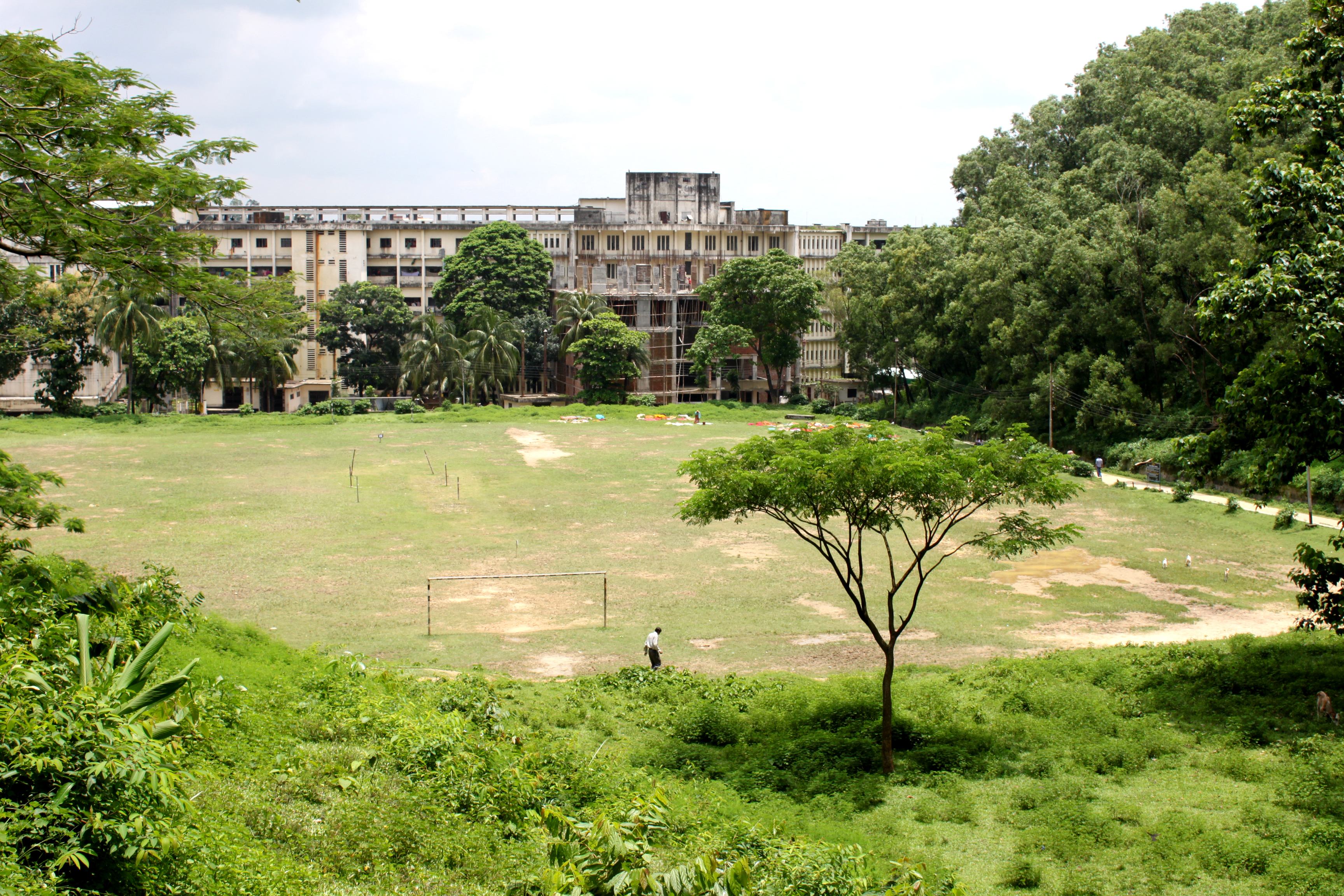
The University of Chittagong stands on about 1,754 acres of hilly land in Jangal Paschim-Patty mouza of Fatehpur union in Hathazari upazila, 22 kilometres north of Chattogram city, according to Banglapedia, the national encyclopedia published by the Asiatic Society of Bangladesh. A site selection commission chaired by Dr M Osman Ghani, then vice-chancellor of Dhaka University, recommended this solitary hilly area as the site, and the foundation stone was laid on 29 August 1964.
Classes began on 18 November 1966 with only 200 students and seven teachers in the master's preliminary courses of four departments: Bangla, English, History and Economics. Banglapedia describes CU as the third largest public university of the country. In 2021, it says, the university had fourteen residential halls for students, one hostel and residential quarters for teachers and staff, with more than 27,000 students, about 900 teachers and 1,182 officers and support staff. Its Faculty of Law is one of nine faculties, and among its institutes is the Institute of Forestry and Environmental Sciences.
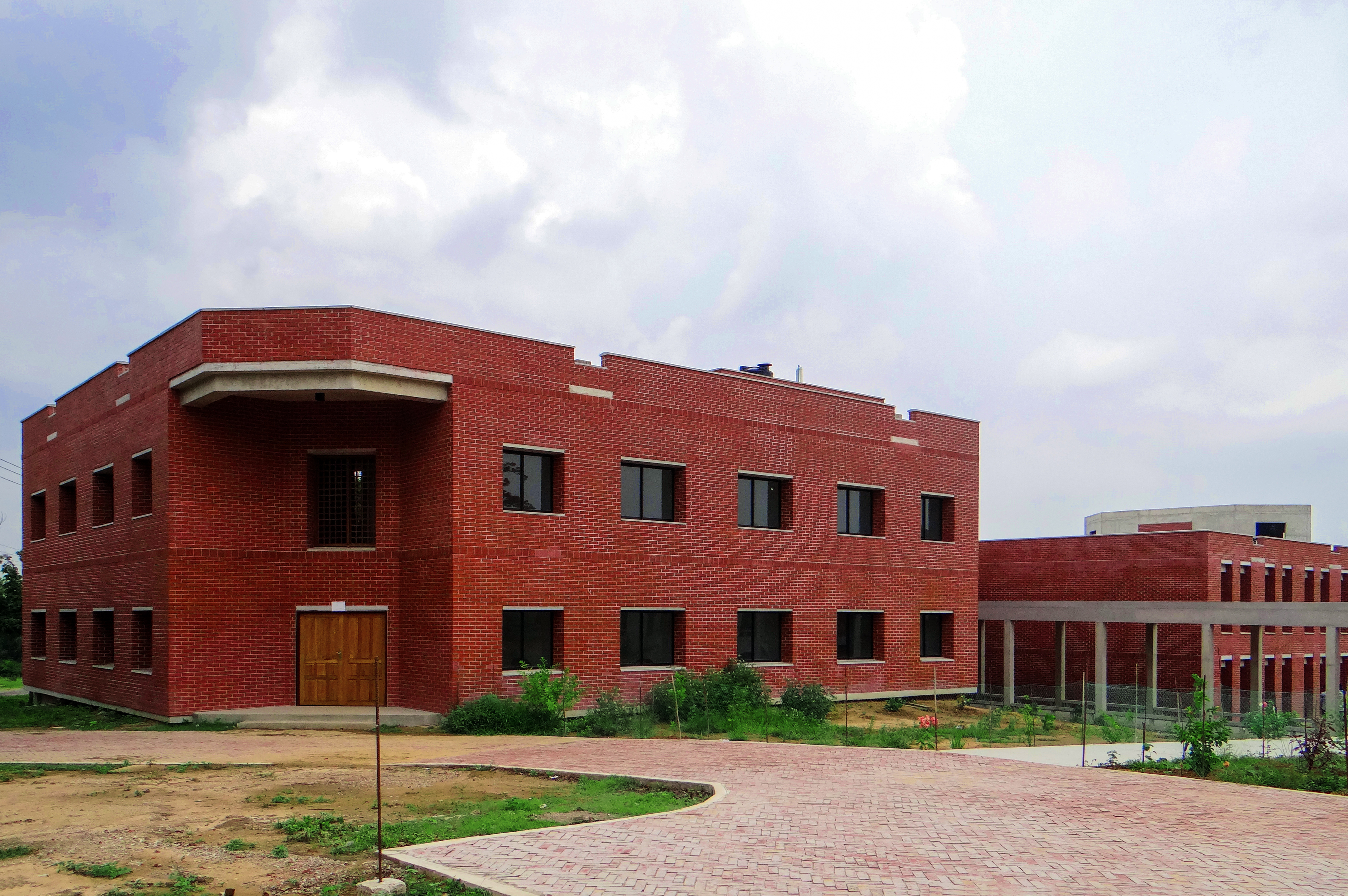
Hathazari upazila covers 246.32 square kilometres and had a population of 431,748 at the 2011 census, Banglapedia records. Its main river is the Halda, and paddy, potato, brinjal, tomato, mustard, sweet potato and other vegetables are its main crops. The upazila is bounded by Fatikchhari to the north, Raozan to the east, Sitakunda to the west and the Panchlaish and Chandgaon thanas of Chattogram city to the south. Banglapedia lists the CU campus itself among the upazila's places of recreation.
Venomous snakes of the Chattogram region
Most snakes in Bangladesh are harmless to people. Banglapedia puts the number of snake species in the country at about 90, more than three-quarters of them non-venomous, and says fewer than half a dozen land snakes are highly poisonous. WHO's Bangladesh office reported in December 2018 that of 82 snake species in Bangladesh, 27 are venomous and 6 are venomous snakes of human concern. Venoms differ: Banglapedia explains that the venom of cobras and kraits mainly attacks the nerves and can kill through failure of breathing, while viper venom destroys tissue and red blood cells and causes bleeding.
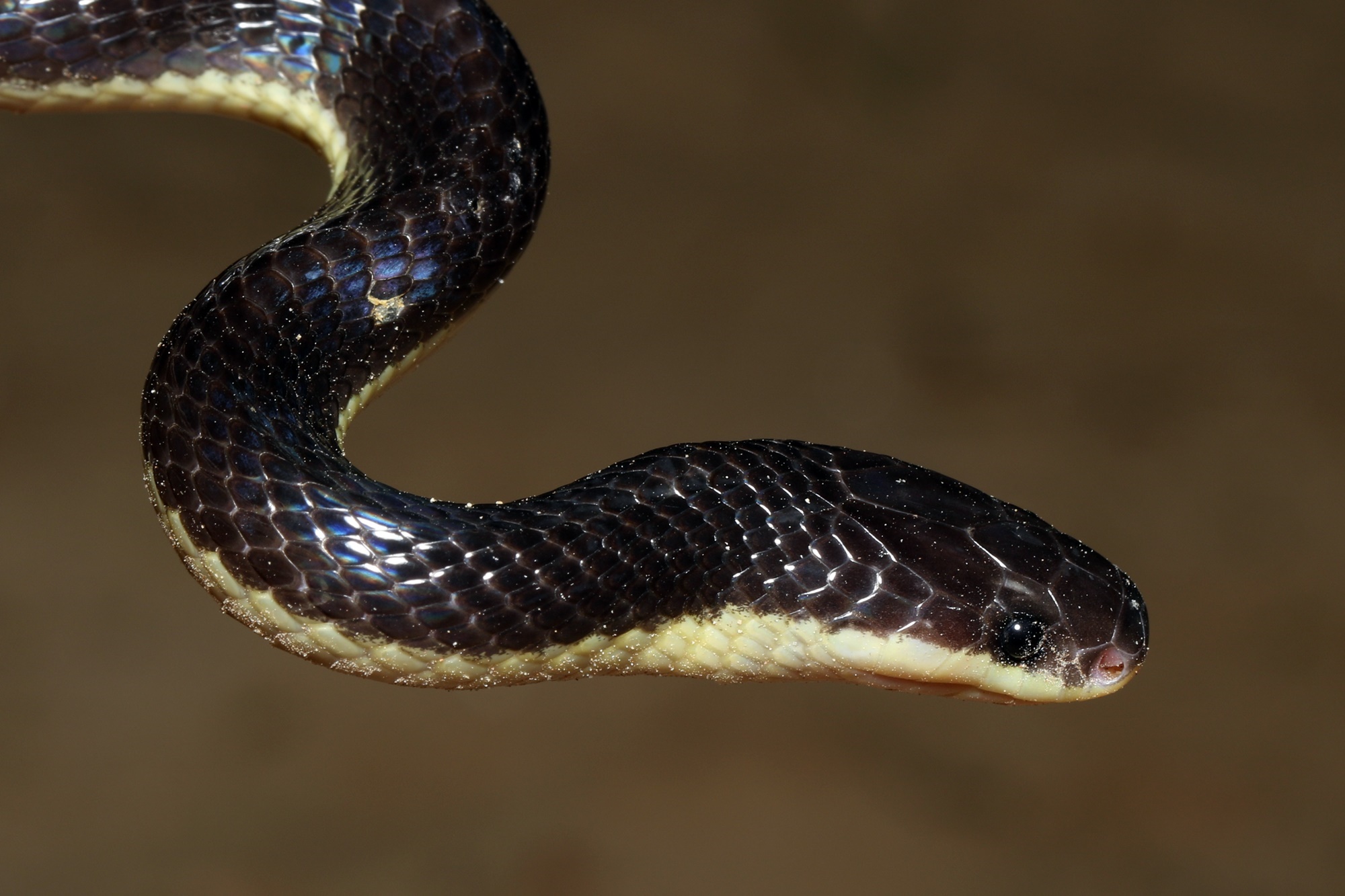
The World Health Organization's Guidelines for the Management of Snakebites (second edition, 2016), written for the WHO South-East Asia Region, list the medically important species of Bangladesh as three kraits (the common krait, the greater black krait and Wall's krait), two cobras (the monocled cobra and the spectacled cobra), Russell's viper and a green pit viper. The guidelines say the monocled cobra occurs throughout the country, causes most cobra bites and is the only cobra found in southeastern Bangladesh, including Chittagong, Cox's Bazar and the Chittagong Hill Tracts. Wall's krait and the common krait are absent from the southeast, but the banded krait and the greater black krait, a species unknown in Bangladesh until it was found to cause deaths, occur throughout the country.
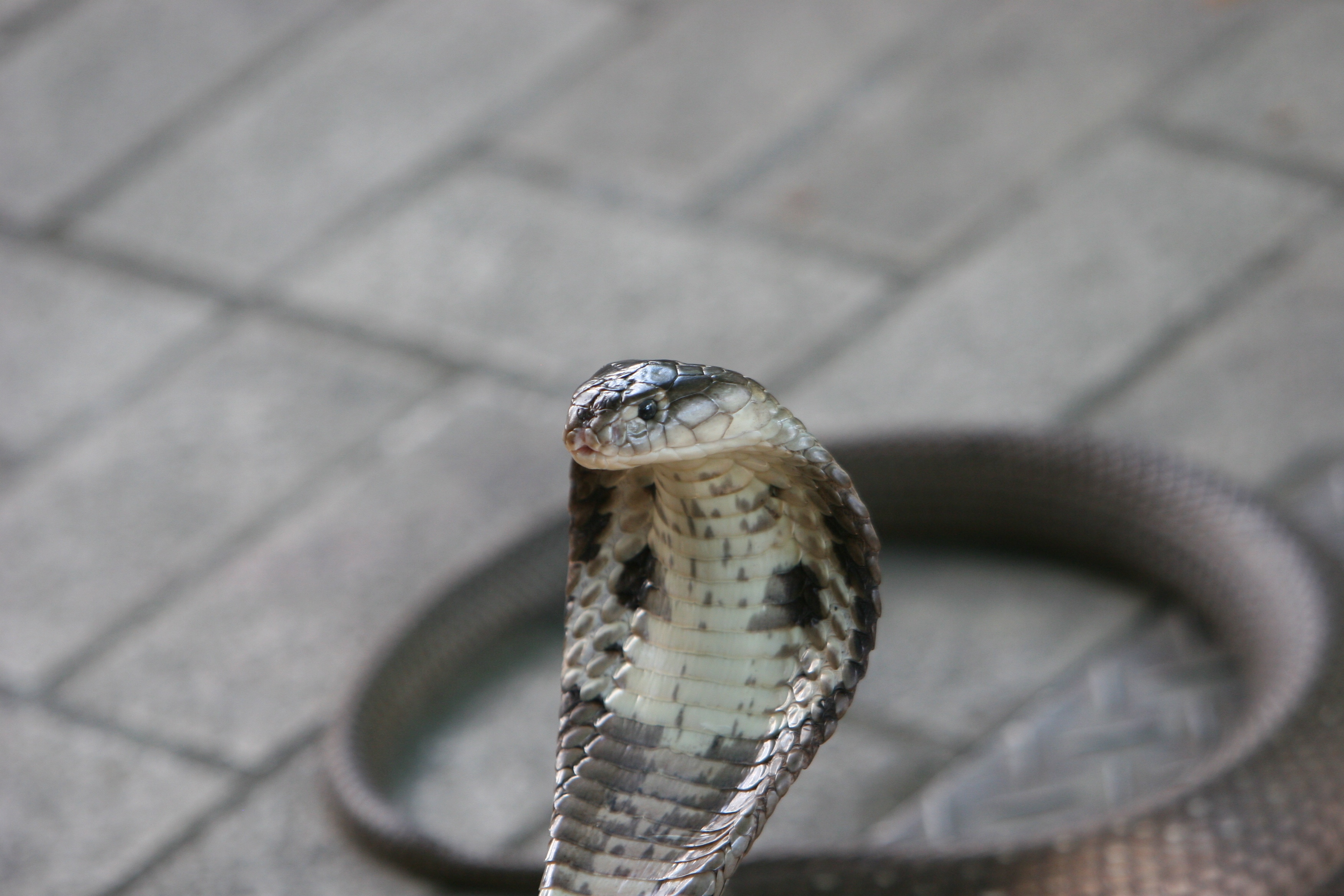
The same guidelines say green pit vipers cause many bites in Bangladesh, with some illness but few if any deaths, that Russell's viper is restricted to the western and southern parts of the country, and that king cobras live wherever relatively undisturbed bamboo stands and forest remain but had not caused documented bites in recent years. They also note that a person bitten at night while asleep indoors has probably been bitten by a krait.
Professor M A Faiz, president of the Toxicology Society of Bangladesh, a former principal of Dhaka Medical College and former director general of health services, gave a similar picture in an interview with Prothom Alo on 29 September 2023. Judging from the patients treated in hospitals, he said, Bangladesh has around 10 to 12 venomous species. The king cobra is seen more in the Chattogram and Sylhet regions, and green pit vipers are more common in the Chattogram region. Four kinds of snake were thought to cause most bites: the monocled cobra, the kraits, the green pit vipers and Russell's viper.
The scale of snakebite in Bangladesh and the world
The WHO fact sheet on snakebite envenoming, in its version of 12 September 2023, estimated that 5.4 million people worldwide are bitten by snakes each year, with 1.8 to 2.7 million cases of envenoming, and that 81,410 to 137,880 people die of snakebite each year, with around three times as many amputations and other permanent disabilities. In Asia, it said, up to 2 million people are envenomed each year. Agricultural workers and children are the most affected. WHO listed snakebite envenoming as a highest-priority neglected tropical disease in June 2017, and its road map aims to halve deaths and disability from snakebite by 2030.
For Bangladesh, the WHO guidelines of 2016 cite a 2009 survey funded by the government and the World Bank, which questioned about 9,000 people in some 4,000 randomly chosen households in all six divisions of the time. It estimated about 589,919 people bitten and 6,041 deaths from snakebite every year in rural Bangladesh. An earlier national survey of about 170,000 households in 2003 found that 61 percent of victims first sought treatment from traditional healers.
A more recent study by the non-communicable disease control programme of the Directorate General of Health Services (DGHS) estimated that more than 403,000 people in Bangladesh are bitten by snakes each year and more than 7,500 of them die, Prothom Alo reported in September 2023. The same study found that 95 percent of snakebite victims live in rural areas. Professor Faiz told the paper that many rural patients go first to an ojha, a traditional snake healer, and reach hospital too late.
Antivenom at the upazila and referral to Chattogram
WHO's fact sheet calls high-quality antivenom the most effective treatment to prevent or reverse most of the effects of a venomous bite. Antivenoms are on the WHO List of Essential Medicines, and WHO says they should be part of any primary health care package where snakebites occur. In December 2018 WHO reported that it had distributed 5,000 doses of antivenom across Bangladesh earlier that year and, with the DGHS, trained 352 doctors from all the divisional medical college hospitals in snakebite management.
Antivenom is not given for every bite. In his 2023 interview Professor Faiz said antivenom has side effects and should not be given simply because a snake has bitten someone. Bangladesh has no test that confirms whether a venomous snake has bitten, he said; only a blood-clotting test can be done, and doctors must decide from the symptoms. Patients should be kept under observation for at least 24 hours, while doctors watch whether the bitten place swells, whether the patient has trouble seeing, whether the upper eyelids droop, whether there is abdominal pain and whether the hands and feet go numb. The WHO guidelines describe the same bedside clotting check, the 20-minute whole blood clotting test, and list the signs of envenoming for which antivenom is indicated.
Professor Faiz also said that each upazila should keep enough antivenom to treat at least one or two patients and replace it when used, with depots at district level, and that the facilities to treat the other complications of snakebite should also be in place. Bangladesh imports its antivenom from India, the interview noted, and research at Chittagong Medical College on making antivenom in the country had completed its first stage: collecting and keeping snakes and studying their characteristics.
Chittagong Medical College was set up in 1957 on 79 acres of land on K B Fazlul Quader Road in Chattogram city, according to Banglapedia. It is a public institution under the Ministry of Health and Family Welfare, affiliated with the University of Chittagong, and its hospital has beds for 1,030 in-patients.
First aid and prevention as WHO advises
The WHO guidelines of 2016 say that most traditional first-aid methods for snakebite are useless or even dangerous and must not delay medical treatment. The methods they warn against include:
- cutting or pricking the bite or the bitten limb, and trying to suck the venom out;
- snake stones, electric shock, and putting chemicals, herbs or ice packs on the wound;
- tying tight bands or tourniquets around the limb, which WHO says must never be recommended; if such a band is already in place, it should not be released until the patient is in hospital with medical staff and resuscitation ready and antivenom has been started;
- rubbing, massaging or vigorously cleaning the wound.
What WHO recommends instead is to reassure the victim, since even a venomous snake may give a “dry bite” and severe envenoming usually develops slowly enough to allow treatment; to lay the person down in a comfortable, safe position, ideally the recovery position, and keep the bitten limb still with a splint or sling, because any movement spreads the venom; and to get the person to a hospital or health centre as quickly and safely as possible. Where a cobra or krait bite cannot be ruled out, the guidelines recommend a pressure pad over the bite together with immobilisation, which they describe as simpler and more practicable than a pressure bandage. No one should try to kill or handle the snake; a few close-up mobile phone pictures taken from a safe distance can help doctors identify it.
On prevention, the guidelines advise people to know which snakes live nearby, never to handle, threaten or attack a snake, to wear proper shoes or boots and long trousers rather than walking barefoot or in sandals, and to use a light such as a torch when walking outside at night, especially after heavy rain, prodding the ground ahead with a stick. Anyone bitten by a snake should go to a hospital at once and follow the doctors' advice.
Snakes under the wildlife law
Snakes in Bangladesh are wild animals protected by law. On the date of this bite the law in force was the Wildlife (Conservation and Security) Act 2026, Act No. 86 of 2026, dated 10 April 2026 and deemed to have taken effect on 7 January 2026; section 54 of the Act repealed the Wildlife (Conservation and Security) Act 2012. Under section 10, all wild animals are considered the property of the government, and cruelty to a wild animal, which the Act defines to include beating, teasing, needless confinement and frightening it, is an offence punishable under the Act.
Section 12 deals with wild animals that threaten human life. In such a case a wildlife warden, with the approval of the chief wildlife warden or an empowered officer, is to take effective measures to remove or, where appropriate, rehabilitate the animal, stating the reasons, and must report the matter to the Act's advisory board and scientific committee within 15 days.
Photo: Moheen Reeyad / Wikimedia Commons (CC BY-SA 4.0)
Sources: Jagonews24, Dhaka Post, Sarabangla, NewsNow24, Prothom Alo, The Daily Star, Banglapedia (Asiatic Society of Bangladesh), World Health Organization (Snakebite envenoming fact sheet, 2023; Guidelines for the Management of Snakebites, 2016; WHO Bangladesh, 2018), Wildlife (Conservation and Security) Act 2026 (Laws of Bangladesh, bdlaws.minlaw.gov.bd)



Comments
(0)