
AI weather models are cheap and fast, and Chinese ones appear to be in the lead, but they still struggle with the sudden local storms that do the most damage, experts told Dialogue Earth. In August last year a flash flood in the usually arid Yuzhong, in Gansu province, killed 32 people and caused CNY 2.5 billion in damage after a system developed over a small area and dropped far more rain than either conventional or AI models had forecast.
Conventional forecasting solves the physics of the atmosphere and can take hours on a supercomputer. AI models learn from past forecast data and produce predictions in minutes, with about a thousandth of the computing power. In 2023 the Fengniao model forecast the track of Typhoon Doksuri 24 hours ahead with an error of 38.7 km; Huawei Cloud's Pangu-Weather was published in Nature, and Fuxi predicted global patterns 15 days ahead. The China Meteorological Administration released three models in 2024 and, in July 2025, Mazu, an early-warning system now used in more than two dozen countries.
"AI global weather forecasting models do particularly well on mid-range, large-scale atmospheric circulation, and on some extreme temperature events and typhoon paths," said Zhang Wei, director of Xiangfeng Technology, but they have limits on typhoon intensity, severe convective storms and extreme rainfall. Zhang Zhongwei of Germany's Karlsruhe Institute of Technology found popular AI models systematically underestimated record-breaking events, because what is not in the training data cannot be predicted.
The answer, the experts said, is more and better data. Remote areas and much of the Global South are blind spots. Zhang Wei suggested low-cost automatic weather stations, the cheapest costing tens of thousands of yuan, and Pakistan's Meteorological Department has combined its own satellite data with Mazu to track storms earlier in the flood season. Yuan Xingyuan, founder of Colourful Clouds Tech, which has supplied flash-flood warnings to local governments in Sichuan's Liangshan for years, said the most accurate model will be the one with the most data.
Doubts remain about the "black box" nature of AI forecasts, whose reasoning cannot be traced, and about energy: training one Google weather model used as much electricity as eight or nine UK households in a year, though a study found data-driven models still use at least 21 times less energy than physics-based ones over a year. The World Meteorological Organization says AI should support, not replace, existing forecasting, and experienced meteorologists still make the final call.
For farmers in flood- and storm-prone countries the lesson is twofold: faster forecasts help only if local data feed them, and, as Yuzhong showed when evacuations were too limited even after a warning, forecasts must be matched by emergency response. The report was written by Na Xu.
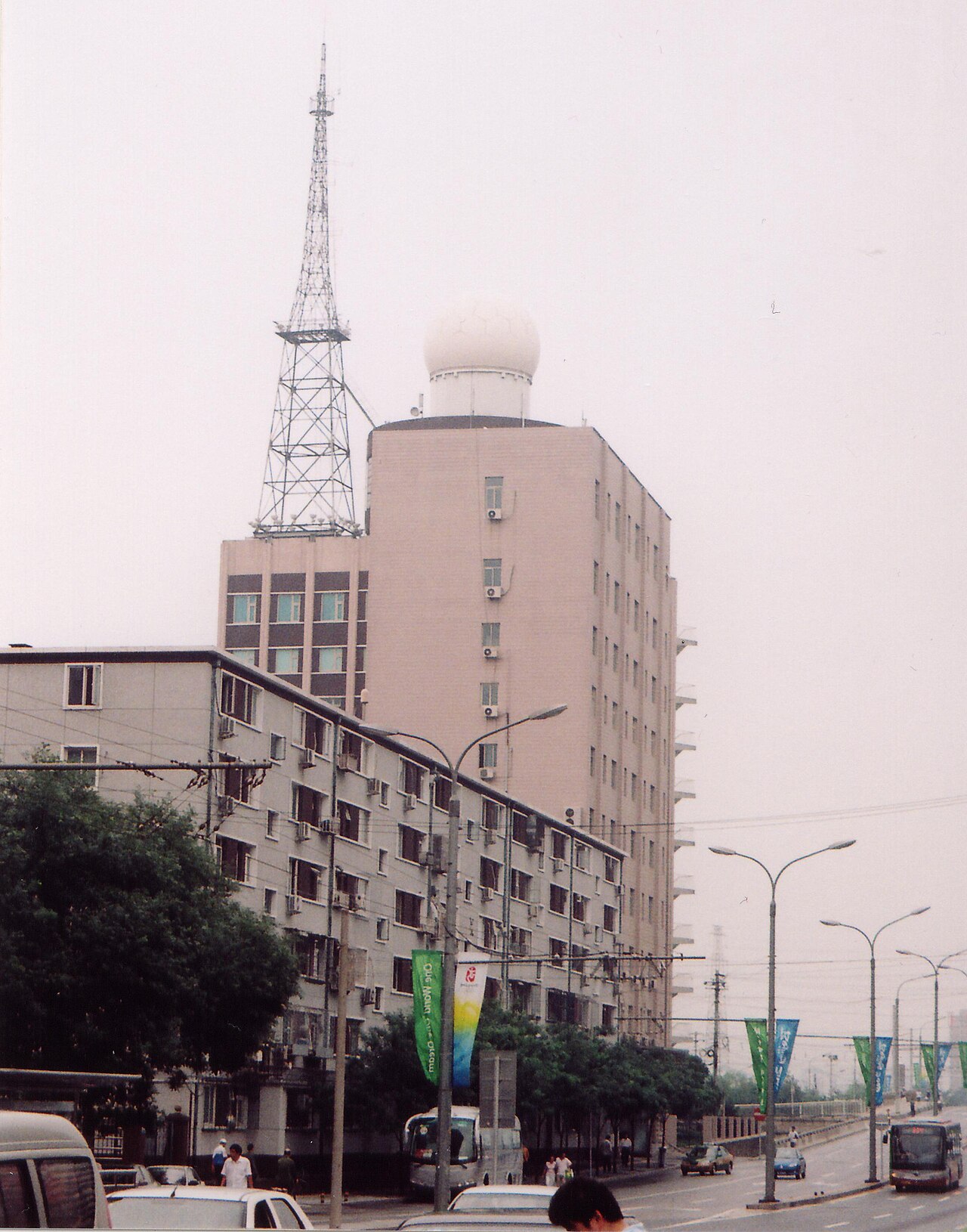
Photo: Pierre cb / Wikimedia Commons (public domain)
Source: Dialogue Earth


Comments
(0)