
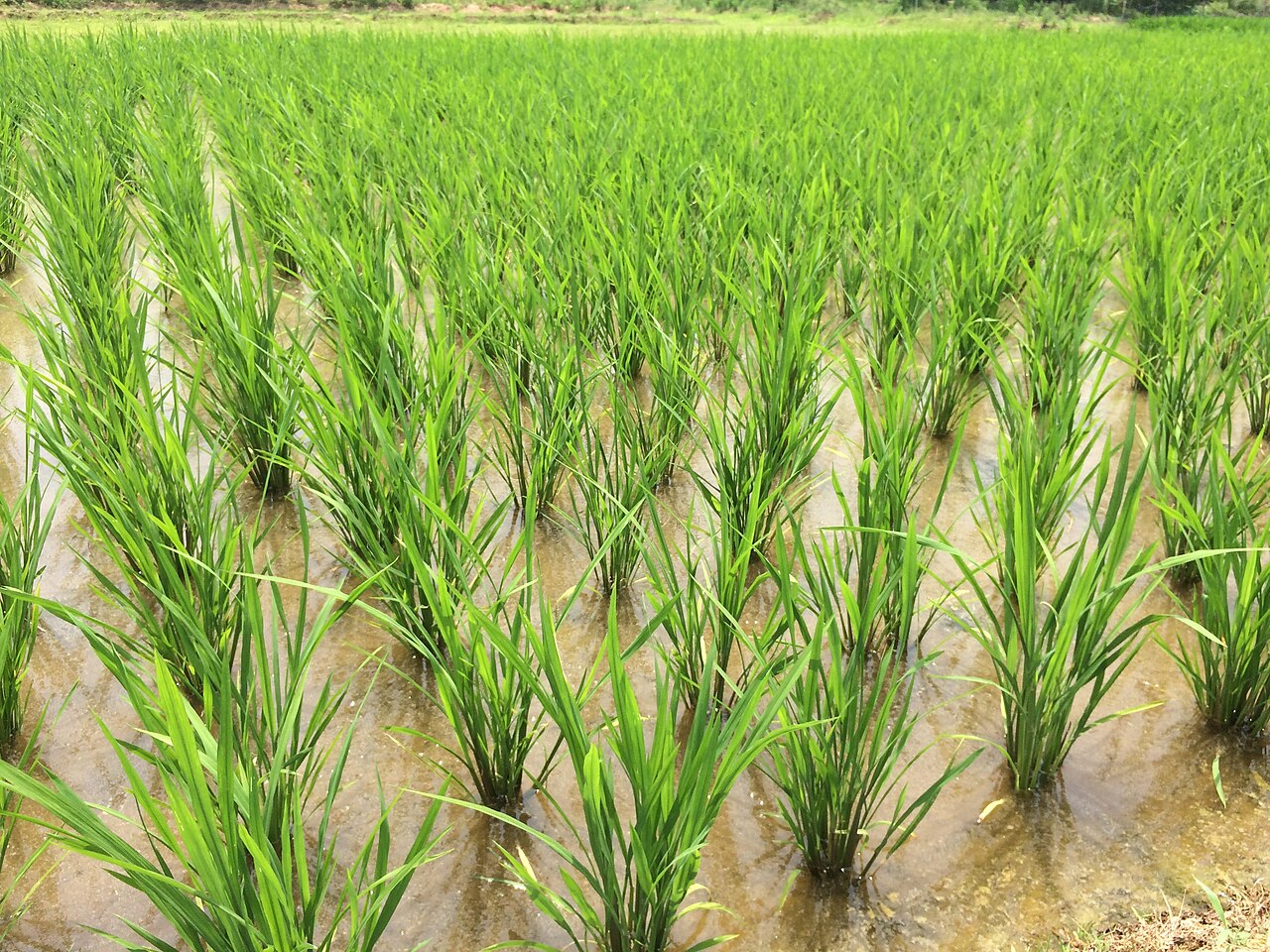
China is stepping up the treatment of acidified farmland to improve soil quality and shore up national food security, according to a document recently issued by the Ministry of Agriculture and Rural Affairs.
The effort will concentrate on the areas where acidified farmland is most common: the acidified red soil and lateritic red soil areas of south China, and the acidified red and yellow soil areas of the middle and lower reaches of the Yangtze River. Other concentrations lie on the Yunnan–Guizhou Plateau and in Sichuan and Chongqing in the southwest, and in parts of the northeast.
The document calls for region-specific, technology-supported measures and sets work priorities spanning scientific fertilisation, improvement of farming conditions, and monitoring and evaluation.
Soil acidification, a widespread form of soil degradation worldwide, is the gradual fall in soil pH as nutrients such as calcium and magnesium are washed out, making it harder for crops to grow. Rainfall drives slow acidification over time, but acid rain and human activity, notably intensive farming and long-term unbalanced use of chemical fertilisers, especially ammonium nitrogen fertilisers and urea, have sped it up. Remedies include applying lime, using more organic fertiliser and crop straw, balancing fertiliser use and rotating crops.
China has already acted on the problem. In 2023 it chose 20 counties across 15 provinces and regions with relatively large areas of acidified farmland for treatment projects meant to raise soil pH and grain production capacity.
The latest measures form part of the country's wider push on food security during the 15th Five-Year Plan period (2026–2030), under which China intends to raise its grain production capacity by 50 million tonnes over the coming years.
Photo: Evgeniya Soldatova / Wikimedia Commons (CC BY-SA 4.0)
Source: Global Agriculture
Comments
(0)