
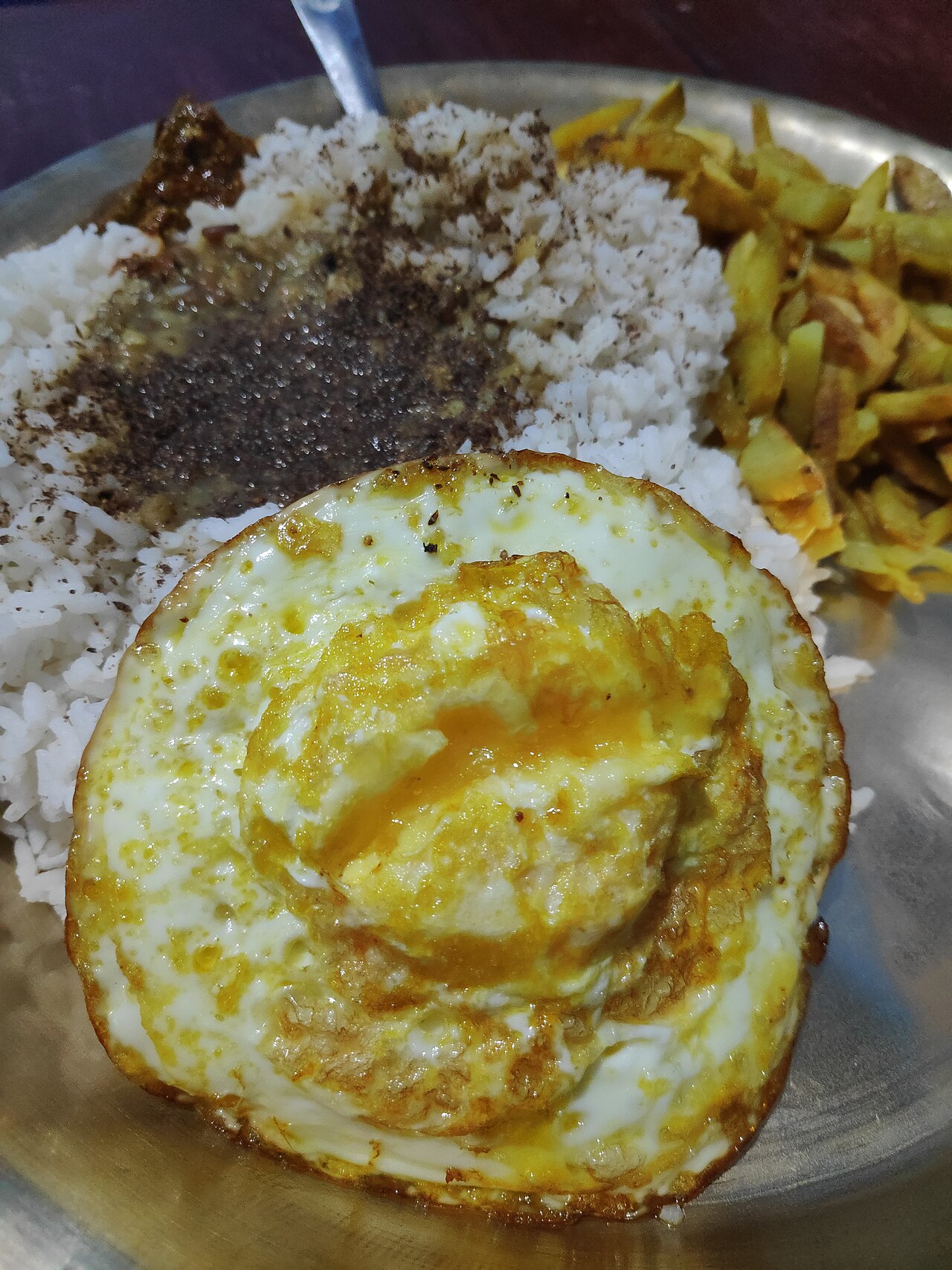
Growing children need enough protein for physical and mental development and immunity, but it is often hard to tell whether everyday meals provide it. Desh Rupantor Online, citing a report in the Anandabazar Patrika, says a child who is short of protein tires easily and may not grow properly.
Needs change with age. According to the report, a child of 1 to 3 years needs 1.05 g of protein a day for every kilogram of body weight, a child of 4 to 13 years 0.95 g and a teenager of 14 to 18 years 0.85 g. Figures from the Indian Council of Medical Research-National Institute of Nutrition (ICMR-NIN) put the daily need of a five-year-old weighing 20 kg at about 19 g.
The first sign is constant hunger: a child who keeps asking for biscuits, crisps or processed snacks is not being filled by main meals. Lentils, yoghurt, paneer, eggs, fish, meat and chickpeas keep a child full for longer. The second is tiring quickly during play, which is a reason to look at the diet; milk, roasted chickpeas, eggs or paneer supply energy.
The third is poor weight gain. Without enough protein and calories normal growth can stall, so height and weight should be checked regularly for the child's age, and a paediatrician consulted if growth is not satisfactory. Fourth, a child who falls ill often or is slow to recover should be seen by a doctor promptly, since protein supports immunity and the repair of cells.
The fifth is weak muscles. Small wounds that are slow to heal and muscle weakness are signs of a nutritional shortfall. If these appear along with weight loss, the child's diet should be set with the advice of a doctor or nutritionist.
Everyday foods such as lentils, eggs, milk, fish and chickpeas are the main way to meet these needs. The signs are not a substitute for diagnosis; where there is doubt, the first step is a doctor's advice.
Photo: Gaurav Dhwaj Khadka / Wikimedia Commons (CC BY-SA 4.0)
Source: Desh Rupantor

Comments
(0)