
Fruit output has been rising steadily in the three hill districts of Chattogram, Rangamati, Khagrachhari and Bandarban, but very little of it reaches foreign markets, the people who grow, trade and export the fruit said in late June 2026. Mango, jackfruit, pineapple and dragon fruit are harvested in large quantities across the hills. Yet exporters say the absence of cargo flights at Chattogram, air freight that costs far more than in neighbouring India, and the lack of quarantine management in the orchards keep the region's fruit out of the high-value markets of Europe and North America.
Rajshahi, Chapainawabganj, Naogaon and Satkhira remain the country's best-known mango districts, and their fruit travels to Europe, the United States and beyond. By contrast, although mango yields in the Chattogram hills have climbed year after year, no comparable export route has opened for growers there. Traders and agriculture officials traced that gap to logistics, infrastructure and certification rather than to the quality of the fruit itself.
Rising fruit output in the hills
According to the Department of Agricultural Extension (DAE), the three hill districts produce about 15 to 20 per cent of the country's total fruit. Rangamati, Khagrachhari and Bandarban grow some 44 kinds of fruit, including mango, jackfruit, pineapple, banana, papaya and orange, amounting to roughly 15 lakh (1.5 million) tonnes a year by the department's reckoning.
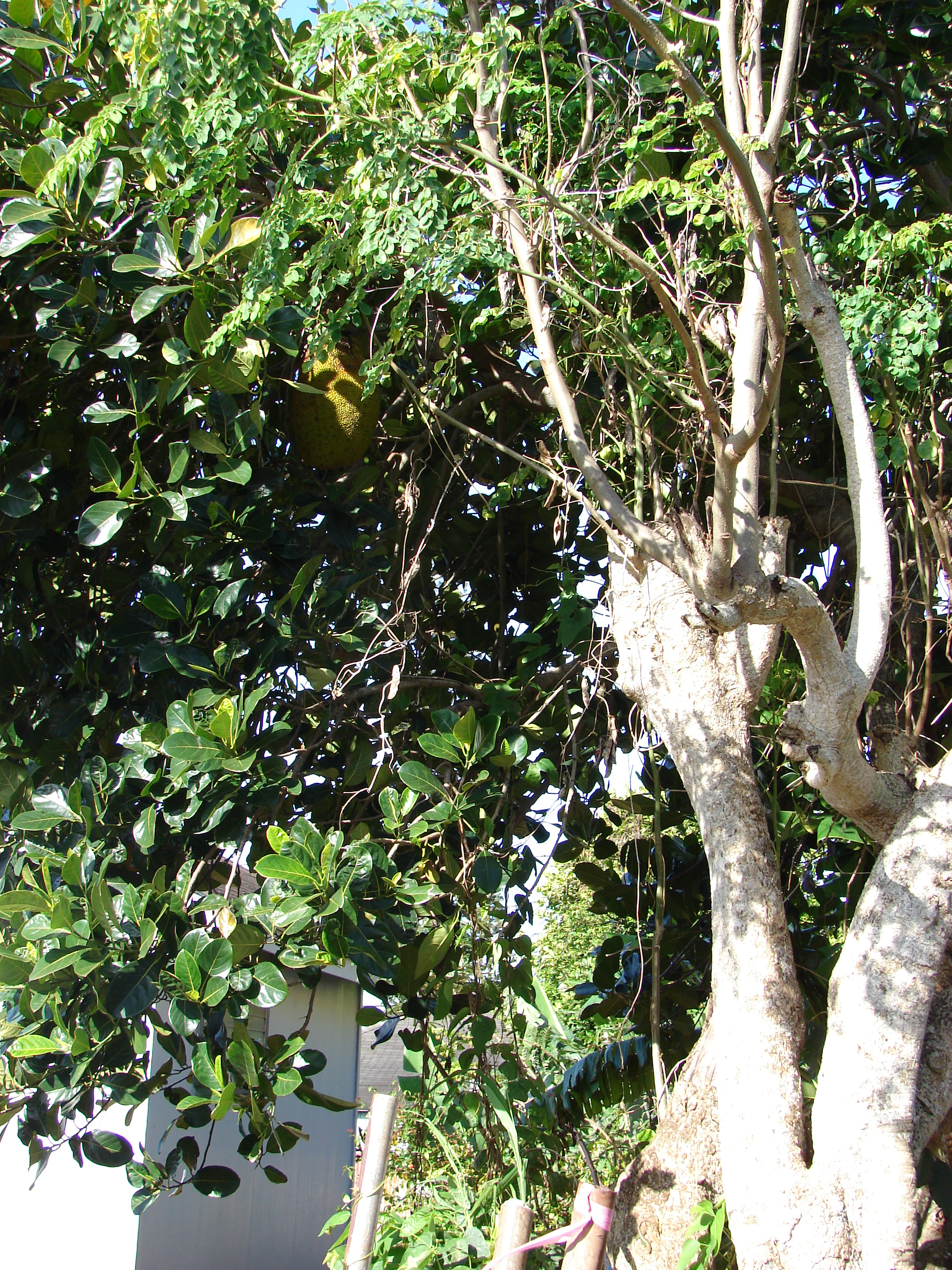
Besides mango, the three hill districts produce bumper crops of jackfruit, pineapple and dragon fruit, and the cultivation of banana, papaya and orange is also growing in the hill orchards. Growers and orchard owners say supply from the hill orchards grows every season. Most seasonal fruit ripens in summer and the monsoon, so a very large volume comes to market in a short window; without quick marketing or storage, that leads to waste and falling prices.
As output rises, the scope for export has not grown in proportion, so prices fall in the hills during the season and growers miss out on fair returns. The hill fruit is tasty and sweet, but the infrastructure to store it, process it and move it quickly to market is still limited, and growers cannot fully capture the benefit of rising output. Traders and officials believe this picture could change if a genuine export opportunity were created.
The three hill districts
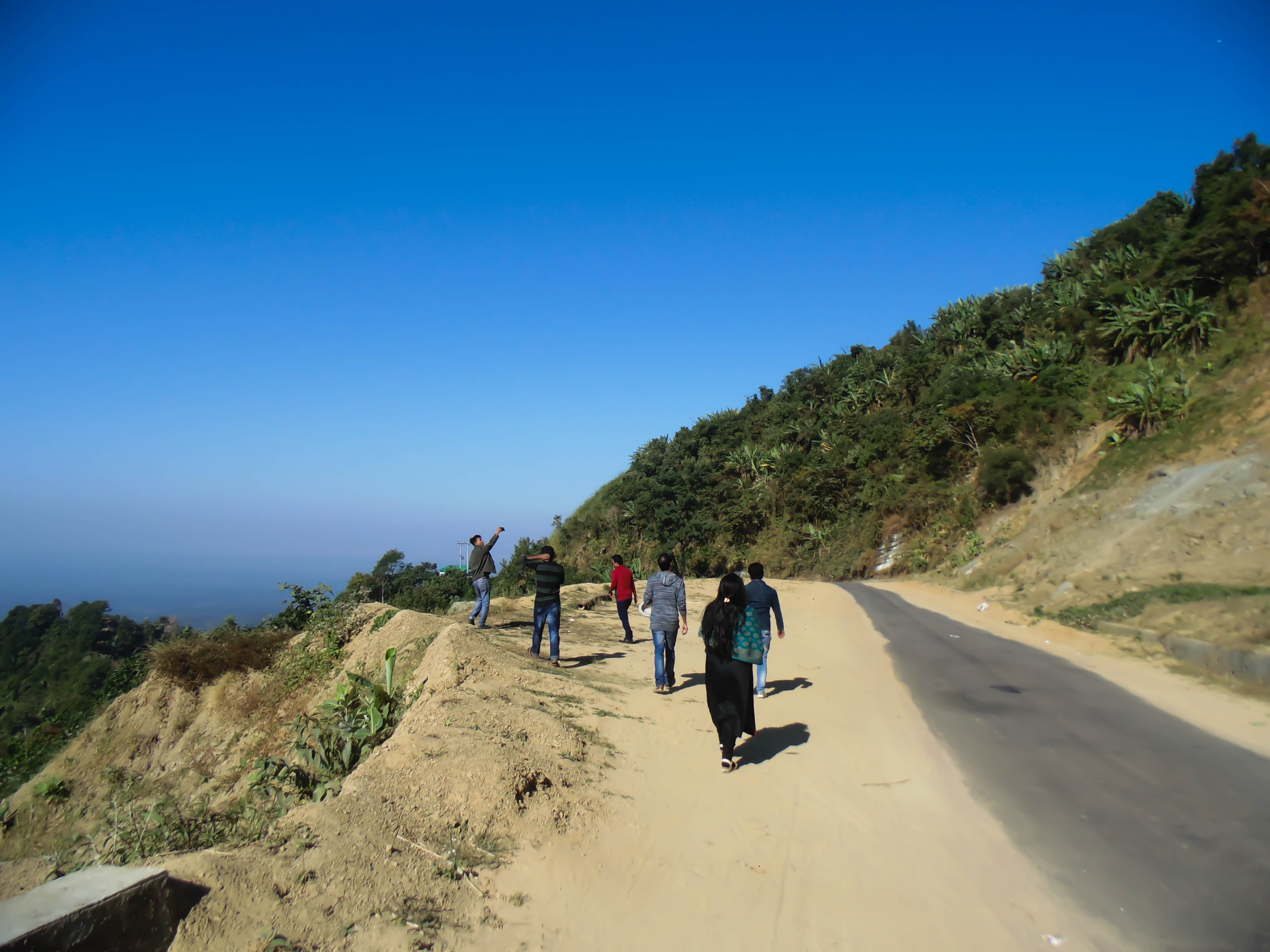
The three hill districts of Rangamati, Khagrachhari and Bandarban cover more than a tenth of the country's area. According to Banglapedia, the Chittagong Hill Tracts cover about 13,184 square kilometres, roughly a tenth of Bangladesh, and make up the country's only extensive hill region. In the early 1980s the tracts were divided into the present three districts of Rangamati, Khagrachhari and Bandarban.
Of the three, Rangamati is the largest in area; Bandarban is the most mountainous, home to the country's tallest peaks such as Keokradong (about 986 m), Tazing Dong and Saka Haphong; and Khagrachhari lies along the border with Tripura, India. The 2022 census counted about 1.84 million people across the three districts, a large share of them Chakma, Marma and other indigenous communities.
The region's soils are mainly yellowish-brown to reddish-brown loams over broken shale or sandstone, and they are strongly acidic and less fertile than the alluvial soils of the plains. Jhum (shifting) cultivation is traditionally practised on the hill slopes, while rice, cotton, oilseeds and other crops are grown in the valleys between the hills. Banglapedia puts mean annual rainfall at about 2,540 mm in the north and east, rising to between 2,540 mm and 3,810 mm in the south and west.
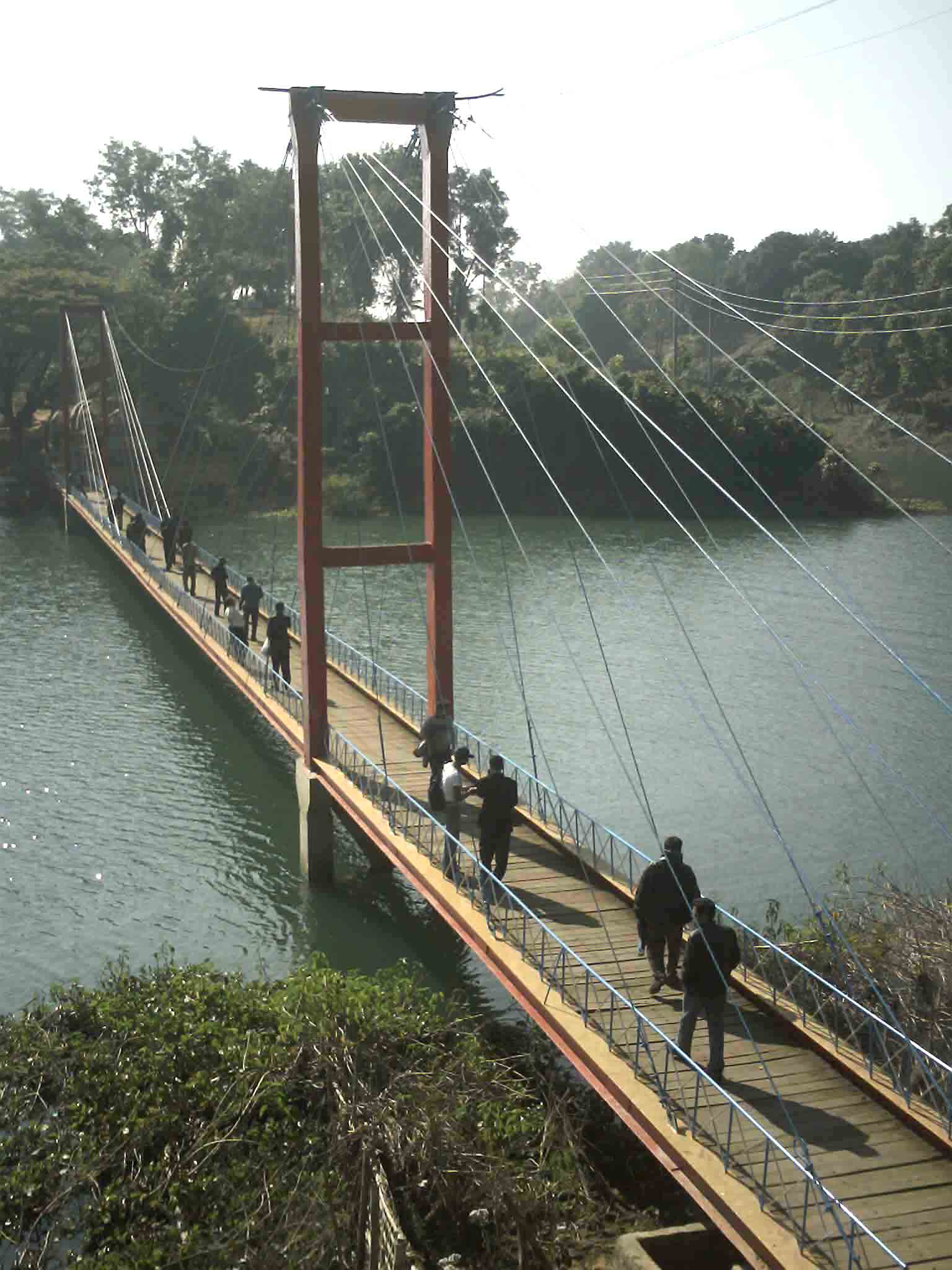
The Karnaphuli is the region's largest river; the Sangu, Matamuhuri and Feni are also major rivers. The Kaptai Dam on the Karnaphuli created Kaptai Lake, described as the largest artificial lake in the country. It is this terrain of hills, dense forest and rivers and lakes that makes it hard to build roads and communications, and that underdeveloped communication is a major obstacle to getting the hill fruit to market and to export.
The obstacles to export
Ibco Food Industries Ltd, based in the Sagarika area of Chattogram, exports fresh fruit to various countries. Its chairman, Iqbal Ahmed Ovi, told Jagonews24: "We export mango, jackfruit and other seasonal fruit. Our fruit goes to the European market. Air freight costs far more than the freight for reefer containers by sea."
Perishable fresh fruit has to reach distant markets either in chilled reefer containers by sea or by air. Sea freight is cheaper but slow; air freight is fast but far more expensive. Exporters say it is this high air freight, combined with the absence of direct cargo flights, that is the main obstacle to sending the hills' fresh fruit to distant markets.
Although the hill areas of Chattogram produce a lot of fruit, he said there is no chance of exporting it to Europe. "The mangoes we send to the UK are collected from Chapainawabganj and Rajshahi, because the orchards there are supervised by the government," he said. "Quarantine is followed in those orchards. But there is no government quarantine management in our hill areas. Because of various international bindings, there is no scope to export fresh fruit from here to the European market."
Mahbub Rana, president of the Chittagong Fresh Fruits Vegetable Exporters Association, is himself involved in exporting fresh fruit. He told Jagonews24: "Chattogram and the three hill districts have been producing large amounts of mango, pineapple and jackfruit for several years. But for lack of opportunity these fruits cannot be exported. There are many obstacles to exporting fresh fruit, and only a very small amount gets through."
He said excessive air fares are the main obstacle. From neighbouring India, he said, it costs at most Tk 350 in air freight to send a kilogram of mangoes to Canada, but from Bangladesh the air freight alone for a kilogram of mangoes to Canada is Tk 700. "That is why exports are not growing. Where India is using the opportunity, we are failing," he said.
Complaining that Shah Amanat is international in name only, the business leader said: "Cargo flights still do not operate at Chattogram's Shah Amanat International Airport. There are some flights to the Middle East, which carry some fresh fruit along with vegetables. But there are no flights to Europe. Anyone who wants to export fresh fruit has to do it via Dhaka."
What orchard quarantine means
Quarantine means keeping a healthy person or animal that is at risk of an infectious disease apart from others for a set period, to establish whether they are really infected and to stop the disease spreading.
In the same way, quarantine in a fruit orchard means protective measures that stop new diseases or harmful pests entering the orchard from outside, and that prevent any disease that appears in the orchard from spreading to other healthy orchards or areas nearby.
To export fresh fruit to developed countries in Europe and North America, the importing country usually demands a plant-health (phytosanitary) certificate, confirming that the orchard where the fruit was grown is free of disease and harmful pests. That is why export-grade fruit is collected only from orchards that are supervised by the government and kept under quarantine.
The export figures
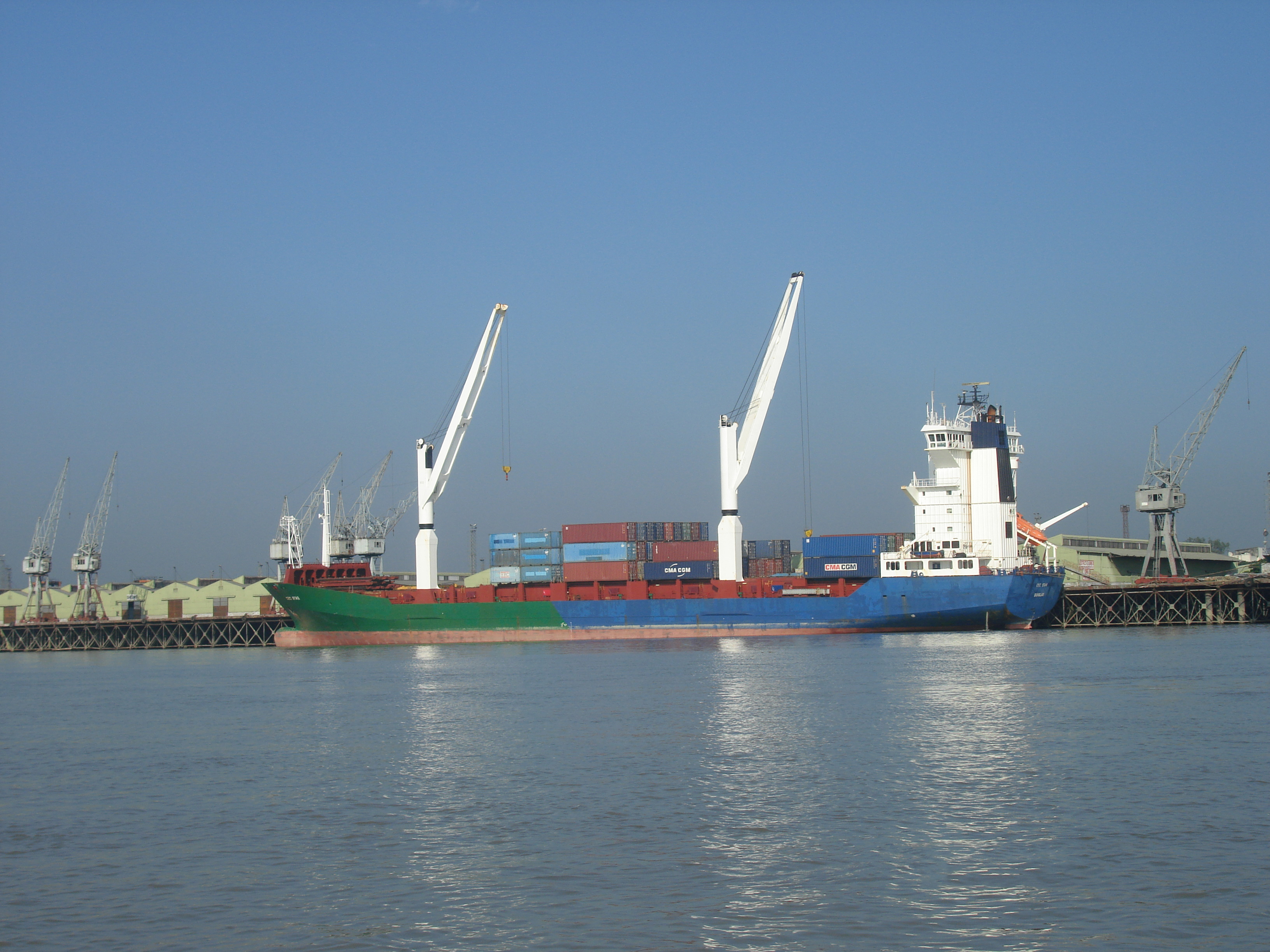
Chattogram port is the country's principal seaport, and Shah Amanat International Airport at Patenga is Chattogram's main airport; fresh and processed fruit is exported from Chattogram through both. According to the Plant Quarantine Station at Chattogram port, 235 tonnes 412 kg of fresh fruit was exported in the first 11 months of the current 2025-26 fiscal year, up to May. It was 105 tonnes 729 kg in 2024-25 and 116 tonnes 400 kg in 2023-24.
The airport's plant quarantine centre said fresh fruit exported through Shah Amanat on passenger flights totalled 408 tonnes 881 kg in 2024-25, 423 tonnes 560 kg in 2023-24 and 288 tonnes 618 kg in 2022-23.
The fruits include mango, jackfruit, pineapple, lemon, black plum (jam), guava, jujube, coconut, hog plum (amra), olive, satkara, wood apple, tamarind, green palm fruit, lychee, elephant apple and pomelo. Lemon, mango, jackfruit, hog plum and olive are exported most.
They go to Dubai and Abu Dhabi in the United Arab Emirates, Saudi Arabia, Qatar, Oman, Kuwait, Singapore, Malaysia, the United Kingdom, Italy, Germany, France, Switzerland and Sweden, with the Middle East taking the most.
The processors' concerns
Syed Mohammad Shoaib Hasan, general secretary of the Bangladesh Agro Processors' Association (BAPA), told Jagonews24: "There are still a hundred obstacles to exporting agro-processed food. Negative criticism is the main barrier for this industry."
He complained that the whole sector was being portrayed as criminal through the use of the term "food fraud" in the name of drives. "The media must play a role in presenting the fruit processing industry positively, avoiding this criticism," he said.
Urging the government to draw up policy with people experienced in the processed-food industry, he said: "Policies are made sitting in the ministry, and such policies bring no benefit. Besides the industries and commerce ministries, the agriculture ministry is heavily involved in the processed-food industry, so it has to come forward as a key partner. Then the export market for processed fruit and food can be expanded, opening the way for more foreign-currency earnings."
The hill fruits: mango, jackfruit, pineapple
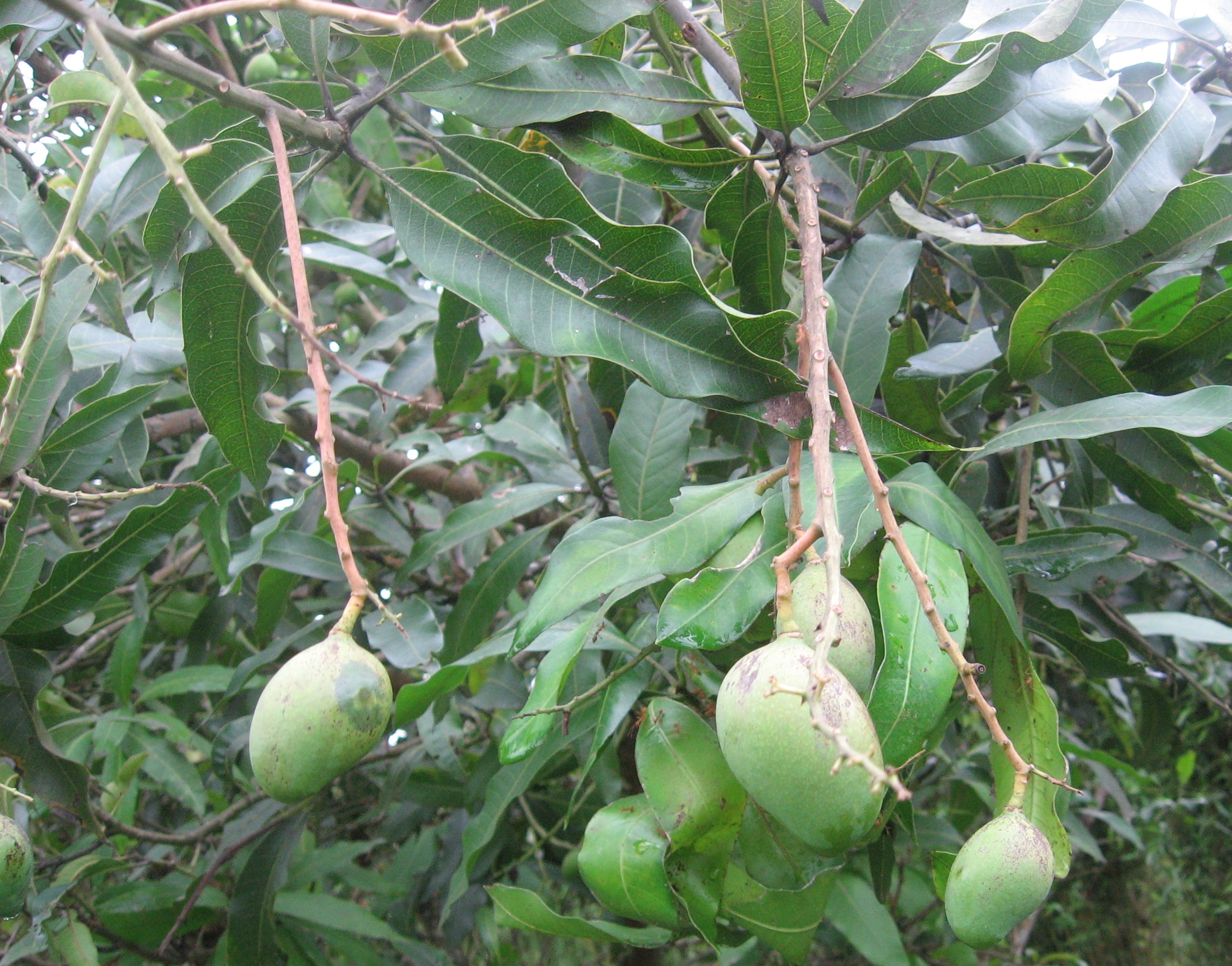
Mango is one of the fruits whose output is rising in the hills. According to Banglapedia its botanical name is Mangifera indica, a plant of the family Anacardiaceae. Mango grows almost everywhere in Bangladesh, mostly as homestead plantations, but the superior commercial varieties are grown mainly in Rajshahi, Nawabganj (Chapainawabganj) and Dinajpur. The varieties include Fazli, Langra, Himsagar, Khirsapat and Gopalbhog. Mango trees flower from January to March, when fog, rain or cloudy weather harms the flowers and fruit set. Banglapedia records about 639,820 tonnes of mango produced in 2005-06, noting that output fluctuates from year to year.
Jackfruit is considered the national fruit of Bangladesh; its botanical name is Artocarpus heterophyllus. Native to the Indian sub-continent, it is now grown across tropical lowlands in both hemispheres. It grows best below 1,000 m and can reach about 1,500 m on humid slopes, though fruit quality declines higher up. Per Banglapedia (on BBS figures for 2000-2007), jackfruit covers about 25,110 hectares with an annual output of about 469,500 tonnes, roughly 22 per cent of the country's total fruit output. The trees flower in December-March and the fruit ripens from May to August.
Pineapple's botanical name is Ananas comosus. According to Banglapedia it entered the country through Assam and Manipur and was first cultivated in Sylhet in the early 20th century. Sylhet, Tangail, Dhaka and Rangamati have the most acreage under pineapple. Its main varieties are Giant Kew (locally kalendar), Honey Queen (jaldubi) and Red Spanish (ghorashal); flowering runs from March to May and fruiting from June to September. Beyond these, dragon fruit is a relatively new commercial crop whose cultivation has been expanding in the hills and elsewhere in recent years.
What the agriculture official said
Mohammad Ali Jinnah, additional director of the DAE's Chattogram region, oversees agriculture in the three hill districts and in Cox's Bazar, Chattogram, Feni, Lakshmipur and Noakhali. He told Jagonews24: "Our three hill districts produce plenty of seasonal fruit, and the mango yield is rising every year. The fruit is tasty and very sweet. But because communication infrastructure is underdeveloped, it has not been possible to bring the orchards under quarantine."
To export fresh fruit to Europe and other developed countries, quarantine must be maintained from the start of production, he said. "That facility has not yet developed in the hill districts, but the government has plans. We have a limited quarantine project running in Bandarban, and mangoes from one orchard in Khagrachhari have been certified for export. But large-scale export opportunities are not being created."
If communications in the hills improve, the orchards could be brought under quarantine, he said. "Now, although the hill districts produce plenty of fruit in season, growers do not get good prices. Good mangoes sell for Tk 20, 25 or 30 a kg in the hills, the same ones that sell for Tk 70-80 in Chattogram."
"If export opportunities are created, growers and orchard entrepreneurs will get good prices and benefit. New orchards will be planted too. One day the three hill areas of Chattogram will earn the same reputation as Rajshahi and Chapainawabganj," the government agriculture official said.
Photo: RafidAlvi / Wikimedia Commons (CC BY-SA 4.0)
Sources: Jagonews24, Department of Agricultural Extension, Banglapedia
Comments
(0)