
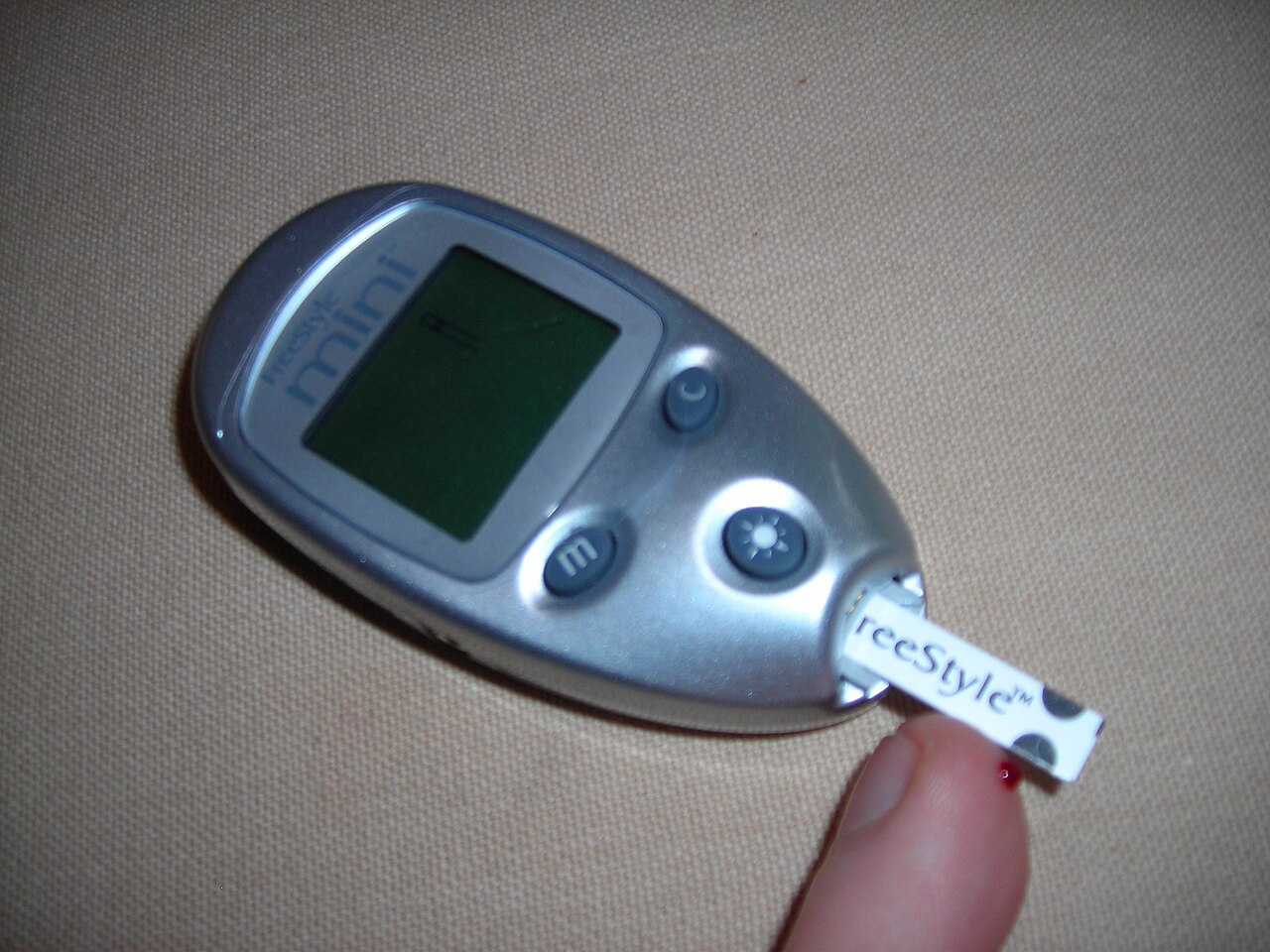
Too little physical work, fast food and extra sugar, little walking and long hours on mobile phones mean that a large share of young people are getting diabetes or are at risk of it, diabetes specialists in Chattogram have warned. They were speaking at a scientific seminar, "Diabesity, a twin epidemic: global outcomes and management update", at Chattogram Diabetic General Hospital.
The seminar was chaired by Professor Dr Farhana Akter, head of endocrinology at Chittagong Medical College Hospital. The chief guest was Professor Dr Omar Faruk Yusuf, vice-chancellor of Chittagong Medical University, and the keynote paper was presented by Dr Satyajit Mallik, assistant professor of endocrinology at the hospital.
Some young people are newly developing diabetes and many more are at risk, Dr Mallik said; they spend more time on their phones than walking or doing physical work. The doctors' advice is to eat by a routine, give up sugary foods and walk for at least 30 minutes a day.
Change in lifestyle has to start at the root, in the family and in childhood, Professor Akter said. "Prevention by building healthy habits is more effective and lasting than treatment after the disease," she said. Home-cooked food, moderate portions, regular exercise and avoiding processed food should start in the family, and parents' awareness is the first step.
Blood sugar left uncontrolled for long damages the eyes, kidneys, nerves, heart, blood vessels and feet, Professor Yusuf said, lowering quality of life, raising treatment costs and in many cases causing early death. Obesity on top of diabetes raises the risk further, so control from the start, regular tests and early detection of complications are essential.
World Diabetes Day is marked every year on 14 November, and the endocrinology department of Chittagong Medical College Hospital has planned a day of events. Dr Suman Rahman Chowdhury, registrar of the endocrinology department at the diabetic hospital, gave the welcome address.
This report is based on a story by Samakal's Chattogram bureau.
Photo: Erik1980 / Wikimedia Commons (CC BY-SA 3.0)
Source: samakal

Comments
(0)