
The government has decided to build a national molecular biology laboratory for cancer treatment, and work on it has begun, health state minister M A Muhit said on Friday. A new cancer institute, modern equipment and training for cancer specialists at home and abroad are also being arranged.
He was speaking as chief guest at the opening of the sixth Bangladesh Breast Cancer Conference 2026, organised by the Bangladesh Society for Breast Cancer Studies at a hotel in Karwan Bazar, Dhaka, at about noon on 13 November.
Cancer care is to start in ten divisional cities, which will become regional centres linked to the district hospitals around them so that patients can get first care and advice close to home, the minister said. Specialised cancer treatment is now limited mainly to Dhaka, Chattogram and a few other large cities.
Citing a study of breast cancer in Bangladesh, he said more than half the patients reached hospital late: 22 per cent at stage two to three and 31 per cent at stage four. In 34 per cent the disease came back or spread. He called for screening programmes for women of certain ages, and, with about 80 per cent of people living in villages, asked researchers and doctors for practical ways to bring low-cost screening to more people.
Bangladesh still has no national cancer registry, he said. An e-health system would store citizens' health records digitally, make a proper national cancer registry possible, make the referral system work, and let anonymised patient data be used for research.
He also pointed to a large scope for artificial intelligence in breast cancer screening, radiotherapy and other parts of treatment, while saying more research and data are needed. Professor Kamruzzaman Chowdhury, the society's president, chaired the opening; speakers included Professor Don S Dizon of Tufts University and Professor Ismail Jatoi of UT Health San Antonio.
This report is based on a story by Prothom Alo's staff correspondent.
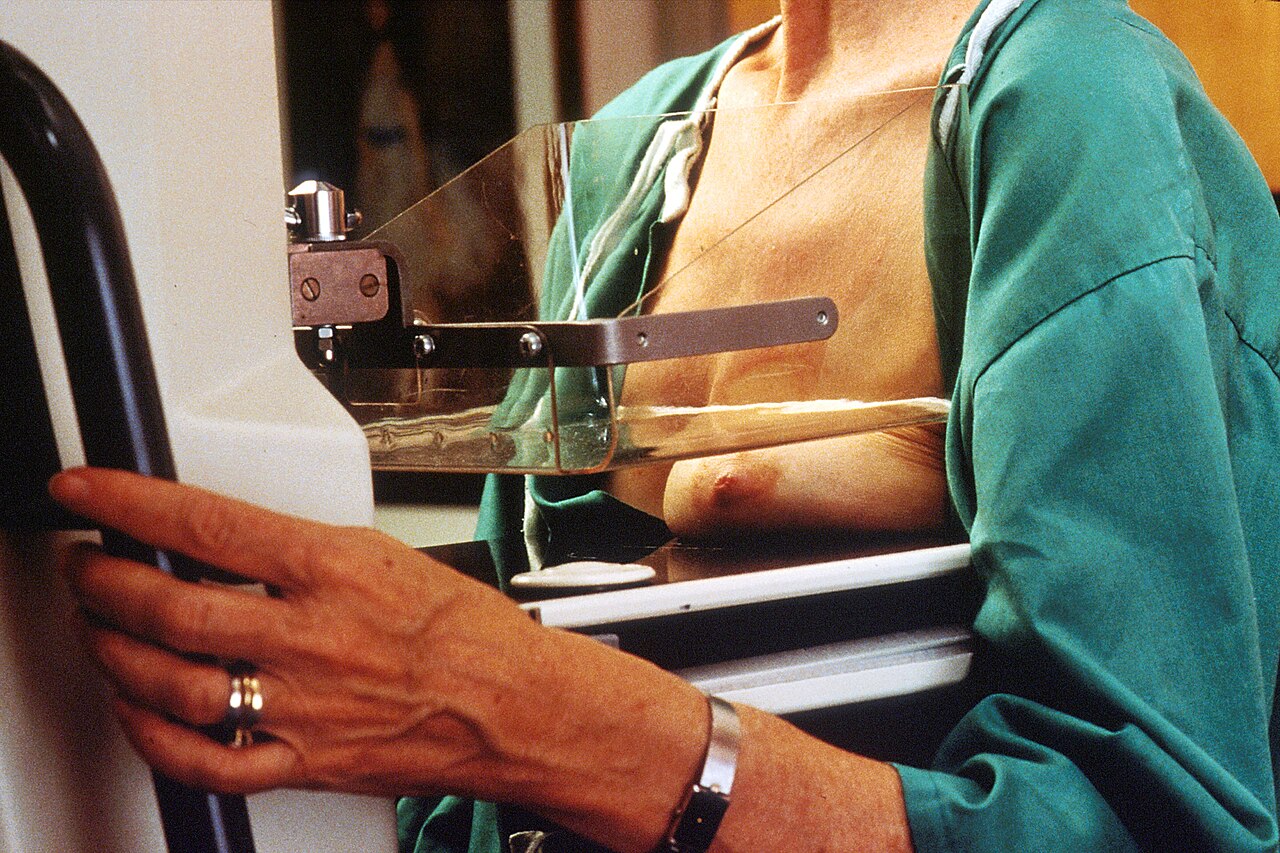
Photo: Bill Branson, National Cancer Institute / Wikimedia Commons (public domain)
Source: Prothom Alo

Comments
(0)