
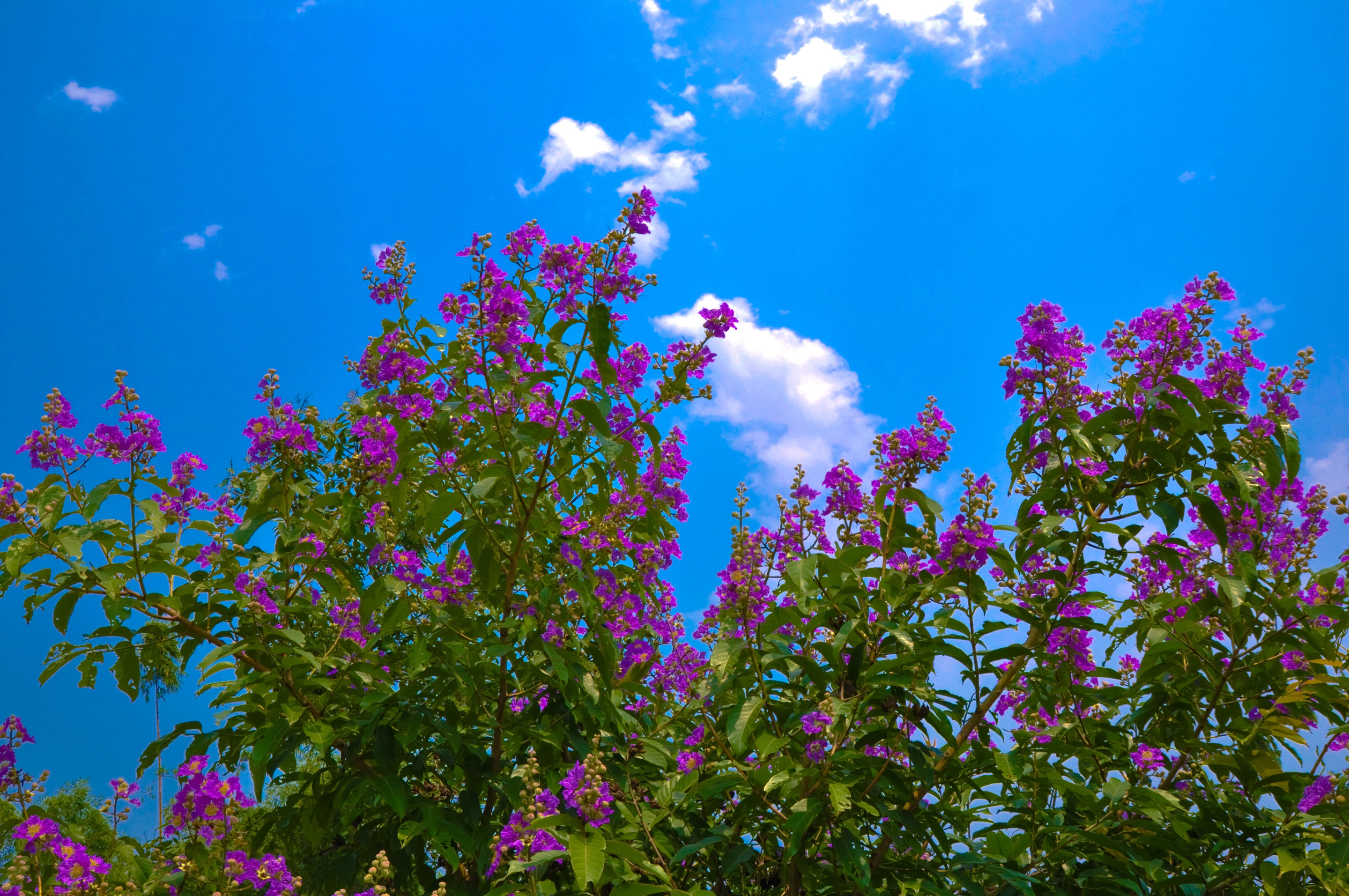
Chattogram City Corporation (CCC) was carrying out a programme to plant 10 lakh (one million) trees across the port city, Mayor Dr Shahadat Hossain said on Sunday 7 June 2026. He gave the figure while inaugurating a month-long tree-care programme marking World Environment Day at the Binnaghas project area in Tiger Pass, saying there was no alternative to greening if the environment was to be protected, the harmful effects of climate change tackled and a liveable city built.
According to the mayor, the city corporation was planting the trees with the help of various social organisations. All the road islands (mid-islands) from Kalurghat to Shah Amanat International Airport would be filled with flowers and greenery, and large-scale planting would also be done on vacant land, in parks and in other open spaces of the city. Work had already begun on one stretch: 6,500 saplings of 26 species were being planted on the road islands between Dewanhat and Barik Building.
The event came two days after World Environment Day on 5 June and a day after a meeting in Dhaka on the launch of the government's programme to plant 25 crore (250 million) trees, a programme the mayor referred to in his speech. Jagonews24, the state news agency BSS and Dhaka Post all reported his remarks on 7 June.
What the mayor announced at Tiger Pass
The ceremony at the Binnaghas project area opened a month of tree care, not just planting. The mayor said the Prime Minister had announced the planting of 25 crore trees in five years, and he called this a far-sighted and timely initiative. If every citizen came forward to plant and look after trees, he said, a green, clean and environment-friendly Bangladesh could be built.
In keeping with that national target, he said, the city corporation had taken up the 10 lakh tree programme to restore the balance of the environment. Its main elements, as he described them, were these:
- Planting flowers and greenery on all the road islands along the corridor from Kalurghat to Shah Amanat International Airport, both to beautify the roads and to add green cover.
- Large-scale planting on the city's vacant plots, in parks and in open spaces.
- A first stretch already under way: 6,500 saplings of 26 species on the road islands between Dewanhat and Barik Building.
- Regular care for the new trees, including daily watering and weeding, for which he said arrangements had been made.
Among the saplings on the Dewanhat to Barik Building stretch, according to the mayor, were jarul, sonalu, radhachura, kamini, kanchan, hasnahena, gandharaj and shiuli, along with about ten native species that he described as near-extinct. The reports did not give a separate list of the 26 species or a timetable for the full 10 lakh trees.
Present at the event, according to the reports, were the CCC's acting chief executive officer and secretary Md Ashraful Amin, the mayor's adviser on waterlogging Shahriar Khaled, slum development officer Moinul Hossain Ali Joy and deputy chief conservancy officer Pranab Kumar Sharma, among other officials.
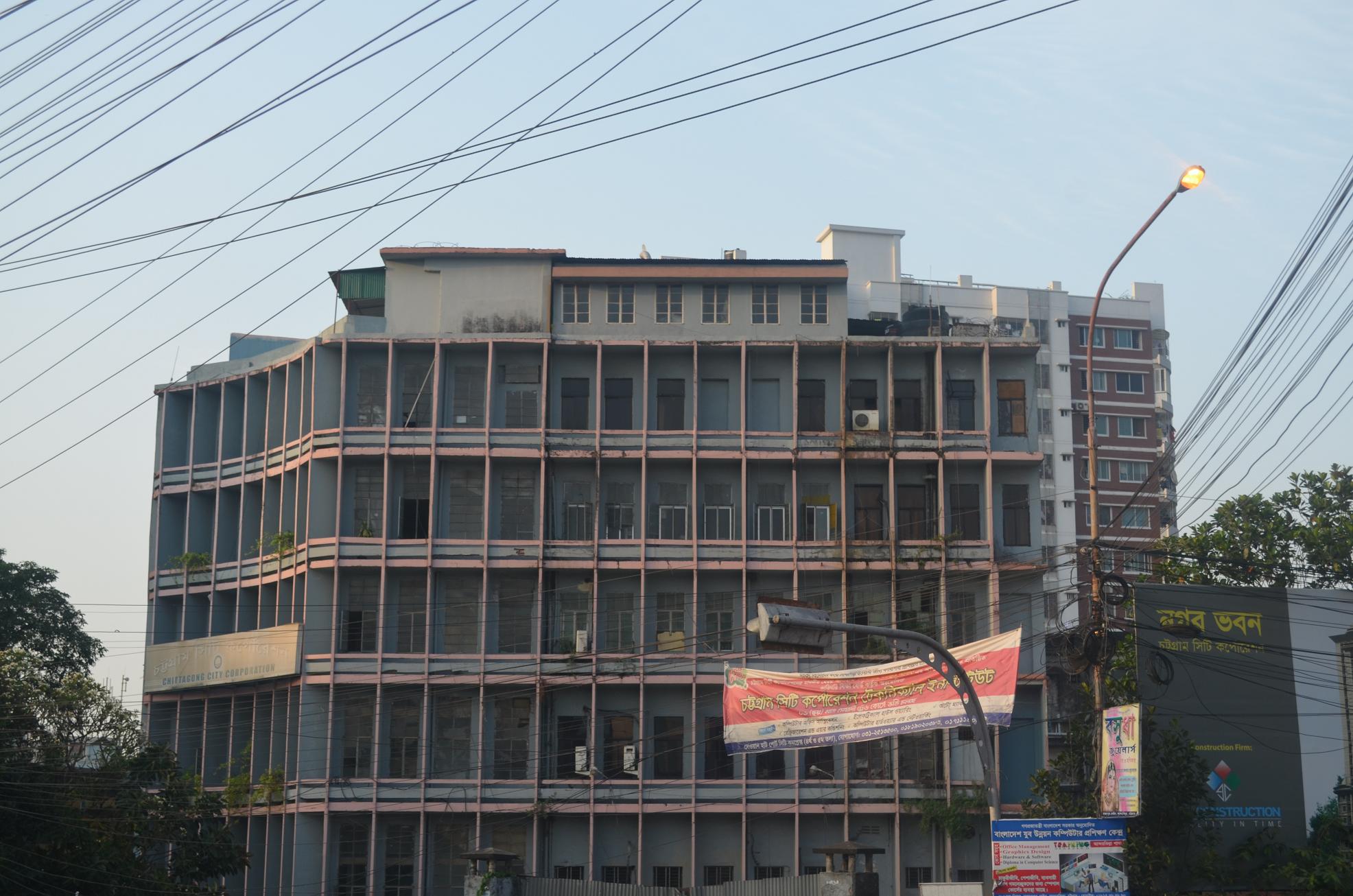
Care as well as planting: the mayor's appeal
Much of the mayor's speech was about looking after trees once they are in the ground. "Trees are our greatest friends," he said in the Jagonews24 account; they give oxygen, fruit, timber and medicine and play an important part in keeping the environment in balance. "But we only know how to take from trees; we do not want to care for them," he said, adding that regular care had to go hand in hand with planting.
He called for tree planting to become a social movement. People had understood the importance of oxygen anew during the coronavirus pandemic, he said, and trees supply oxygen and absorb carbon dioxide, keeping the environment healthy. For that reason, he argued, planting for conservation had to become a movement of the whole society.
The mayor also spoke about the city's natural setting. Chattogram, he said, is a city full of natural beauty, with sea, hills, rivers, canals, valleys and water bodies. "Allah has given us many resources, but if we cannot care for and conserve them properly, future generations will suffer," he said.
He urged everyone to be aware of the need to protect the Karnaphuli and Halda rivers and the city's canals and water bodies. Plastic, polythene and other waste thrown everywhere, he said, pollutes the environment and causes waterlogging, and the waste finally collects in the canals and rivers, where it becomes a serious threat to the environment.
The national target the mayor referred to
The 25 crore figure the mayor cited had been announced earlier in 2026. On 4 March 2026, BSS reported that the Prime Minister had directed that the tree plantation programme be intensified across the country while presiding over a meeting of the cell formed to plant 25 crore trees over the next five years. According to that meeting, as reported by BSS, saplings would be collected from private nurseries as well as government ones, and trees would be planted on khas (state-owned) land, on chars (river islands), along riverbanks, on both sides of roads and highways, in forest areas that had no trees and in the premises of government institutions. Each student would plant one tree and take care of it.
On 11 March 2026, speaking at a World Wildlife Day discussion at Ban Bhaban in Agargaon, the environment, forest and climate change minister said the government would plant 25 crore trees across the country on a priority basis over the next five years, BSS reported. He said about 200 hectares of mangrove plantations would be created in coastal char areas and 1.1 million saplings planted along roads and embankments under social forestry programmes, and he urged people to plant forest, fruit and medicinal trees around their homes.
On Saturday 6 June 2026, the day before the Chattogram event, the Prime Minister chaired a meeting at his office in Tejgaon on the inauguration of the 25 crore tree plantation programme, The Business Standard reported. Climate messages to be issued at the work level and the World Environment Day programme were discussed at that meeting.
Mass planting campaigns are not new in Bangladesh. According to Banglapedia, two forest extension divisions were created at Rajshahi and Dhaka in 1962-63 and a tree planting day on 1 June was introduced; the campaign, first held for a day, was later extended to a week, then a month and then three months. Banglapedia records that the first social forestry work in the country began on two bare hills, Betagi and Pomora, in Rangunia in Chattogram district, and that later projects built strip plantations along roads, railways and canal embankments.
World Environment Day 2026
The Chattogram programme was organised to mark World Environment Day, observed on 5 June. The UN Environment Programme (UNEP) said the 2026 observance focused on climate change, on "the urgent signals the Earth is sending and the signals we choose to send back", under the campaign hashtag #NowForClimate, with Azerbaijan hosting the global observance.
In Bangladesh, BSS reported on 5 June that the theme of the day in 2026 was "Inspired by nature, for the climate, for our future" (in Bengali, "prokriti theke prerona, jolobayur jonno, amader bhobishyoter jonno"), and that the government and various environmental and development organisations had taken up programmes to mark it. BSS noted that the day dates from the UN Conference on the Human Environment, held from 5 to 16 June 1972, that it was first observed in 1974 and that it is now marked in more than 100 countries.
The trees on the road islands
The species the mayor named are familiar flowering trees and shrubs in Bangladesh. Banglapedia, the national encyclopaedia, describes them as follows:
- Jarul (Lagerstroemia speciosa), called Pride of India or Queen of flowers, is listed among the flowering trees planted in parks, large gardens and the grounds of government and educational institutions. It blooms in spring with mauve flowers. Banglapedia also records jarul as a timber tree of the hill forests and as one of the species used in the Forest Department's plantations in the Chittagong Hill Tracts, Chittagong and Sylhet.
- Sonalu (Cassia fistula), the Indian laburnum, is another of these flowering trees. It also grows wild among the trees of the country's sal forests.
- Radhachura (Caesalpinia pulcherrima) is listed among the common flowering garden shrubs; Banglapedia's description of the seasons names the golden radhachura among the flowers of spring.
- Kamini (Murraya exotica, the Chinese box) and gandharaj (Gardenia jasminoides, the Cape jasmine) are evergreen garden shrubs; gandharaj is also a common hedge shrub. Both are named among the fragrant flowers of the monsoon, and kamini again among those of autumn.
- Kanchan (Bauhinia acuminata, the orchid tree) is a flowering garden shrub; two other kanchan species, the debkanchan and the raktakanchan, are listed among the flowering trees.
- Hasnahena (Cestrum nocturnum), known in English as queen of the night, is another common garden shrub.
- Shiuli or shephali (Nyctanthes arbor-tristis, the coral jasmine) is listed among the flowering trees. It is one of the fragrant flowers of autumn, and Banglapedia's entry on shrubs counts it among the wild and cultivated shrubs considered medicinally important.
Banglapedia notes that flowering trees of this kind are valued for their foliage, bright blossoms or sweet fragrance. The mixture on the Dewanhat stretch therefore puts trees that flower at different times of year beside each other: jarul and radhachura in spring, kamini and gandharaj in the rains, and shiuli in autumn.
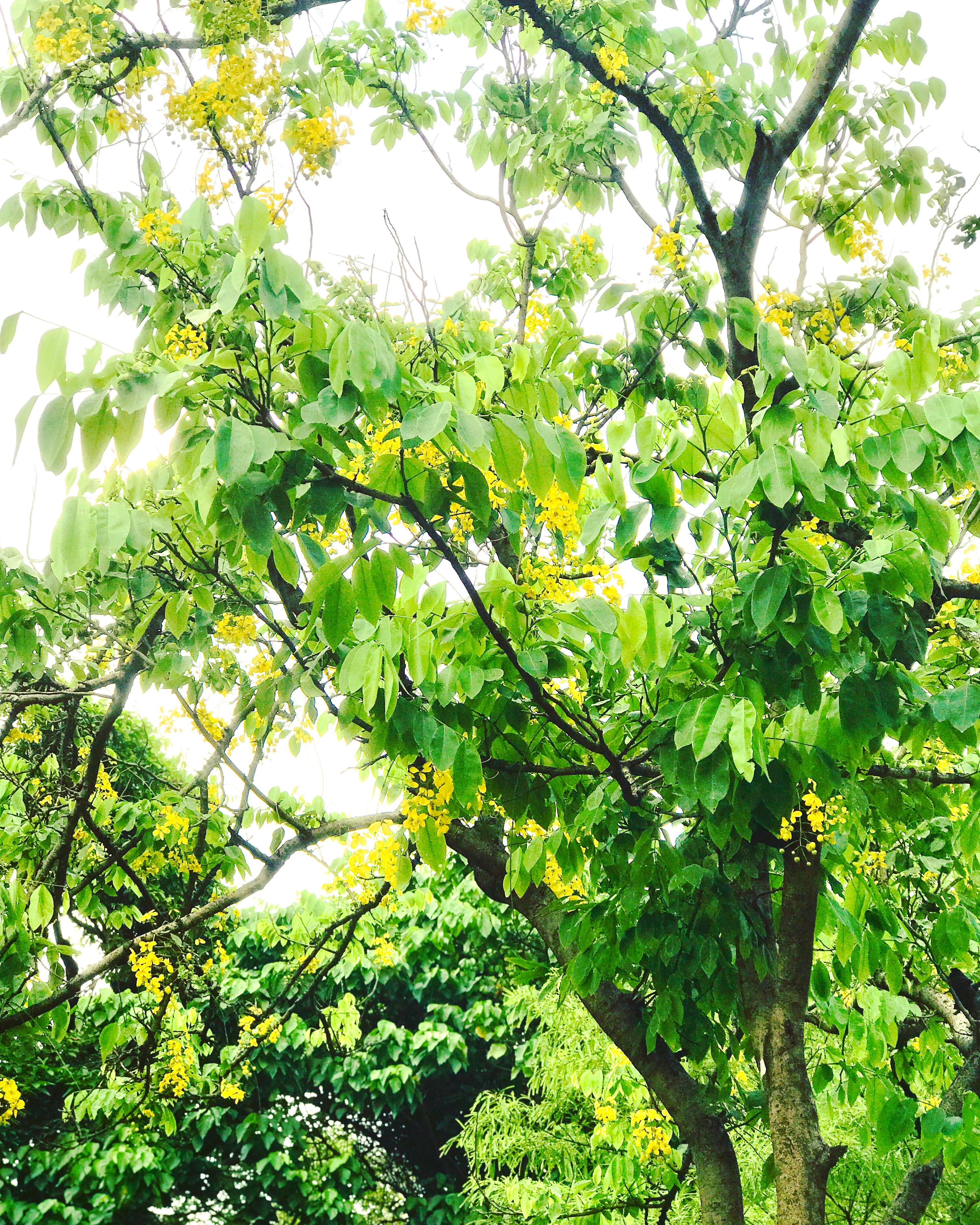
Chattogram: a port city of hills and rivers
Chattogram is the second largest city of Bangladesh and the principal city of its district, lying on the right bank of the Karnaphuli river, according to Banglapedia. The city corporation covers 160.99 square kilometres. Chittagong Municipality was formed on 22 June 1863 and became Chittagong City Corporation on 31 July 1990.
The city's landscape is unlike most of the country. Banglapedia describes it as part of the hilly region that branches off from the Himalayas: the range loses height near the town and breaks up into small hillocks scattered across it. The encyclopaedia records that Batali Hill, once the highest point in the town at 280 feet, and other hills and hillocks of the city were being gradually levelled and reduced in height for building. Chittagong district, it adds, has no natural lakes, which is why many dighis (large ponds) such as Laldighi were dug, and the district's total annual rainfall is 3,194 mm.
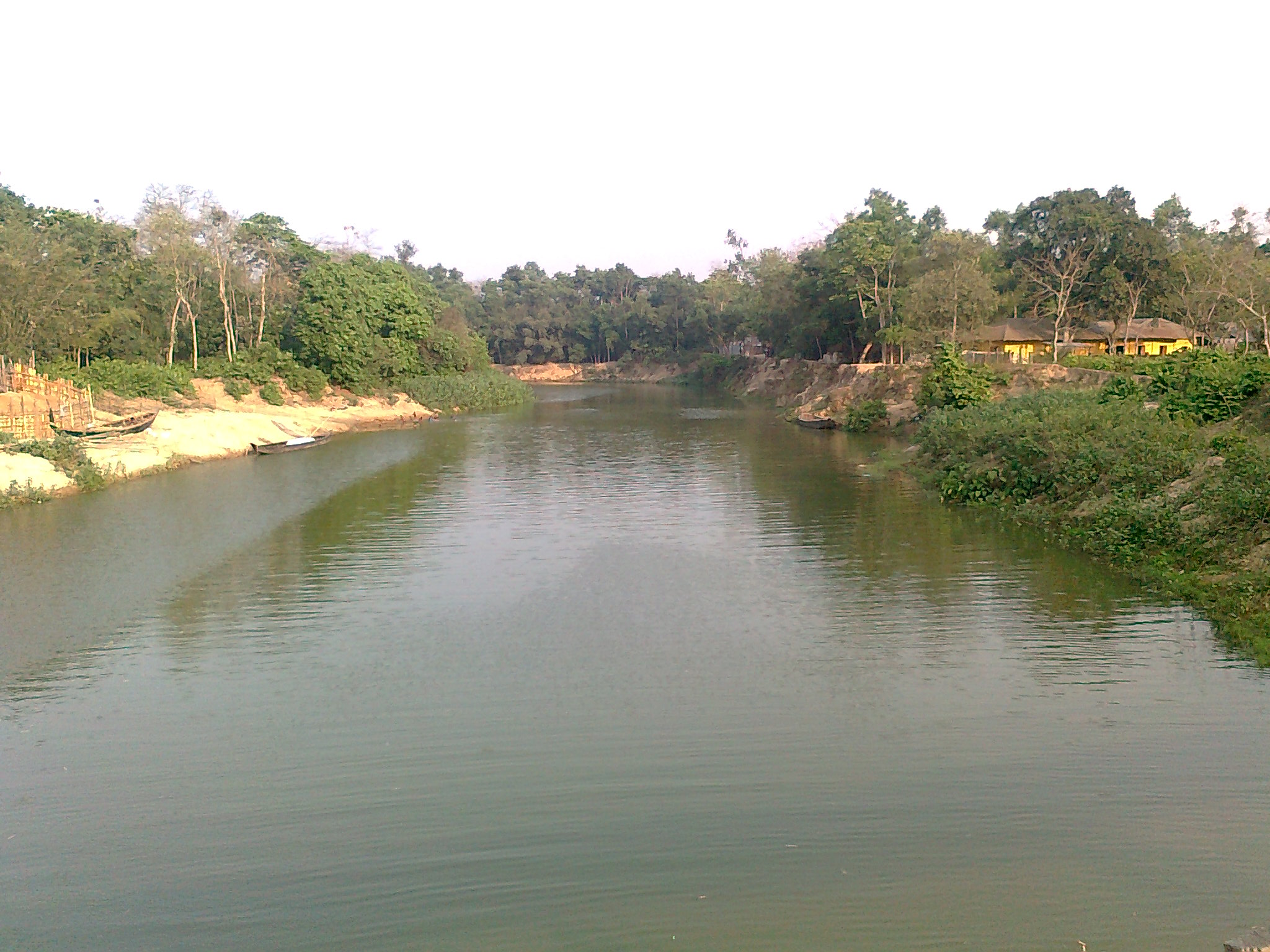
The two rivers the mayor named meet at Kalurghat, where the road-island corridor he described begins. The Karnaphuli, the largest and most important river of Chittagong and the Chittagong Hill Tracts, rises in the Lushai hills of Mizoram in India and travels 180 km through mountainous country before crossing the plain of Chittagong. It receives the Halda at Kalurghat, just above the railway bridge, then circles the eastern and southern sides of the town and falls into the Bay of Bengal 16.89 km below the port. The Halda rises in the Badnatali Hill Ranges in the Chittagong Hill Tracts and flows about 81 km past Fatikchhari, Hathazari and Raozan to Kalurghat. Banglapedia lists the Halda first among the rivers that support a major carp spawn fishery, in which eggs, fry and fingerlings are collected for fish culture in ponds.
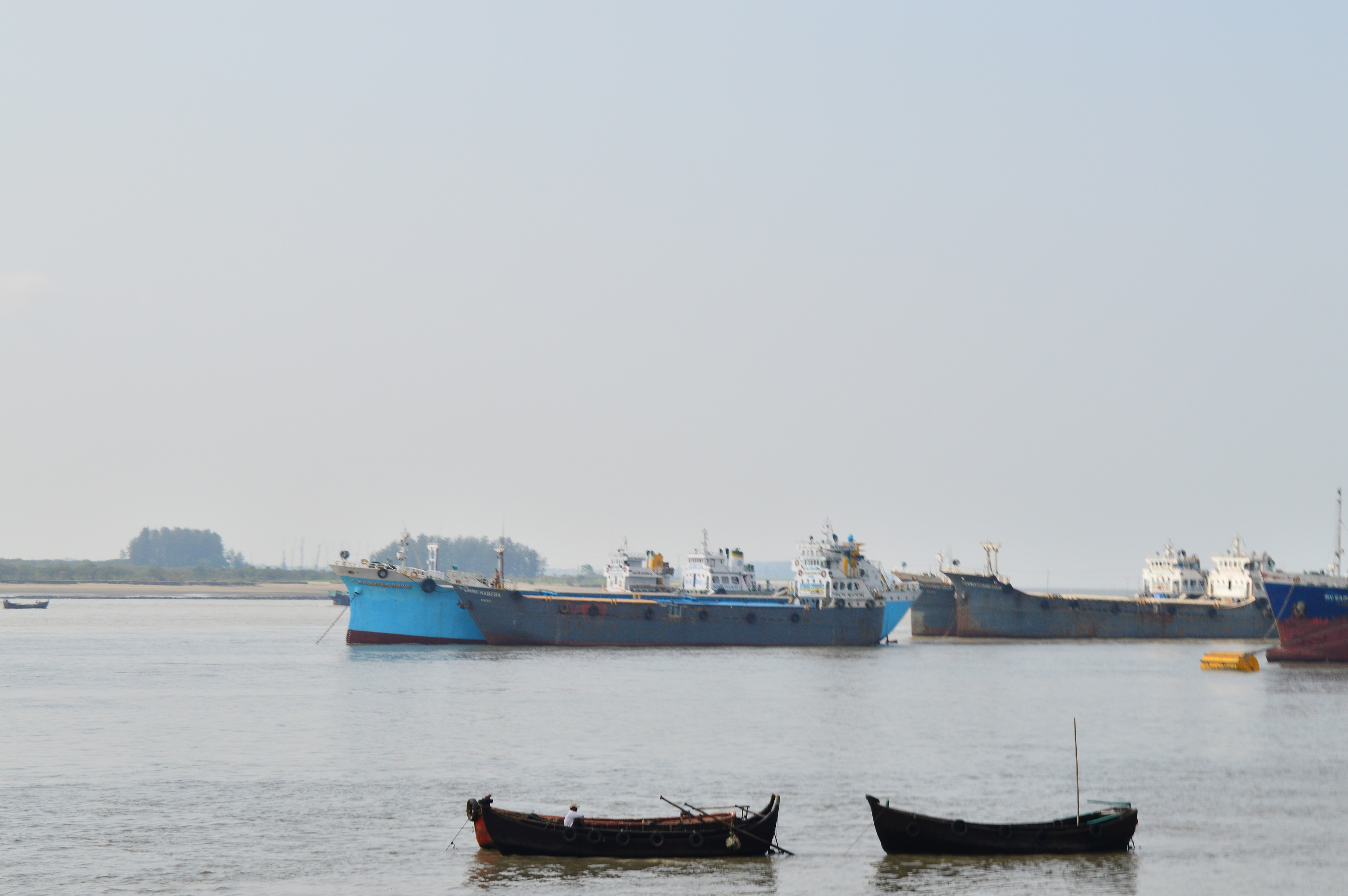
Waste, canals and waterlogging
The mayor's warning about waste in canals echoed what he had said earlier in the year. On 4 February 2026, inaugurating the excavation of the Kalir Chhara canal behind Kaibalyadham in the Khulshi Lake City residential area, he said waterlogging was now one of the city's main problems: every monsoon, areas including Faridar Para, Bahaddarhat, Chandgaon, Bakalia and Muradpur went under water, BSS reported. The city's canals, he said, had been encroached on, filled in and built over without planning, and the drainage system had broken down; reclaiming the canals from encroachment and excavating them regularly were being carried out together, and legal action was being taken against those who had occupied canals.
On 4 May 2026, inspecting a road beside the Bahaddarhat kitchen market, he warned that if rubbish was dumped everywhere, canals and drains would fill up again and cause waterlogging, and that there could be no lasting freedom from waterlogging without citizens' awareness, BSS reported. He also visited canal renovation work under the Chattogram Development Authority at Bahaddarhat. CCC sources told BSS that a month-long cleaning of drains and canals was then going on in different wards ahead of the monsoon.
A pledge first made in 2025
The 10 lakh figure itself was not new. On 13 August 2025, opening a week-long tree fair organised by the city corporation at the Laldighi ground, the mayor announced a programme to plant 10 lakh trees in the city to protect the environment and said Chattogram would be built as a clean and green city, BSS reported. The fair had 61 stalls and was to close on 19 August 2025.
At that fair he told students that photosynthesis lets trees give us oxygen and absorb carbon dioxide, and he recalled that Bangladesh had once been full of forests and green trees but that uncontrolled encroachment, the cutting of hills and the destruction of forests had reduced its green cover. He also asked students to put rubbish in bins rather than throwing it out of windows or onto the road, so that drains would not fill up. The June 2026 announcement tied the same 10 lakh target to the national 25 crore programme and set out where the first saplings were going.
What urban trees do, and what makes them last
International guidance supports the emphasis on care. The Food and Agriculture Organization of the United Nations (FAO), in its 2016 Guidelines on urban and peri-urban forestry, says that forests and trees in and around cities, if properly managed, can make cities safer by reducing stormwater runoff and mitigating the heat island effect, healthier by improving air quality, and more diverse by increasing biodiversity. Urban forests, it says, can store carbon and reduce energy use through shading and cooling, and their management involves assessment, planning, planting, maintenance, preservation and monitoring. The guidelines warn that climate change can raise the cost of maintaining green spaces, which may need more watering during drought.
The FAO guidance also recommends promoting a diversity of native species, planting endangered native species, including those that provide habitat for birds and other local wildlife, and collecting seed from locally growing native plants for restoration. It notes that cities can be a source of exotic species whose spread can threaten native ones, and that semi-natural areas such as roadside corridors and home gardens can help connect natural areas.
The choice of species in the national campaign had already drawn comment. In an opinion piece in Prothom Alo English on 13 March 2026, Reza Khan argued that the 250 million tree initiative should prioritise indigenous species, noting that past large-scale planting in Bangladesh had often relied on fast-growing exotic species such as acacia and eucalyptus, and that ecological success depends more on species diversity, survival rates and habitat restoration than on the number of trees planted. The mayor's account of the Dewanhat stretch, with 26 species including about ten native ones he called near-extinct, and his stress on daily watering and weeding, addressed the same two questions of what is planted and whether it survives.
Photo: Balaram Mahalder / Wikimedia Commons (CC BY-SA 3.0). The top picture shows jarul (Lagerstroemia speciosa) flowers, as background.
Sources: Jagonews24 (7 June 2026), BSS (7 June 2026; 5 June 2026; 4 May 2026; 11 March 2026; 4 March 2026; 4 February 2026; 13 August 2025), Dhaka Post (7 June 2026), The Business Standard (6 June 2026), UNEP, Prothom Alo English (13 March 2026), FAO Guidelines on urban and peri-urban forestry (2016), Banglapedia



Comments
(0)