
Chattogram city BNP opened a tree-planting programme on the grounds of the Zia Memorial Museum in Chattogram on Thursday, 30 July 2026. The chief guest, city BNP convener and member of parliament Ershad Ullah, called on every citizen to plant at least one tree and take responsibility for its care, to protect the environment and counter the damaging effects of climate change.
The Zia Memorial Museum is Chattogram's old Circuit House, built by the British administration in 1913 as a residence for government officials. President Ziaur Rahman was killed there in 1981, and the building was inaugurated as a museum on 6 September 1993.
Speakers on climate risk
Ershad Ullah said Bangladesh is one of the countries most at risk from climate change. Cyclones, excessive rainfall, floods, river erosion and rising temperatures had become major challenges, he said, and there was no alternative to protecting the environment and greening the land. Tree planting had to become a social movement, in his view: if every citizen planted at least one tree and looked after it, a green, clean and safe Bangladesh could be built for the next generation.
Speaking as special guest, city BNP member secretary Nazimur Rahman said tree planting was not merely a ceremony but an effective way to protect the environment and public health and to deal with the effects of climate change. He asked every thana, ward and unit in the city, and the party's associate and affiliated organisations, to plant widely and make sure the saplings were cared for. Joint conveners, members and activists of the city BNP and its associate bodies attended.
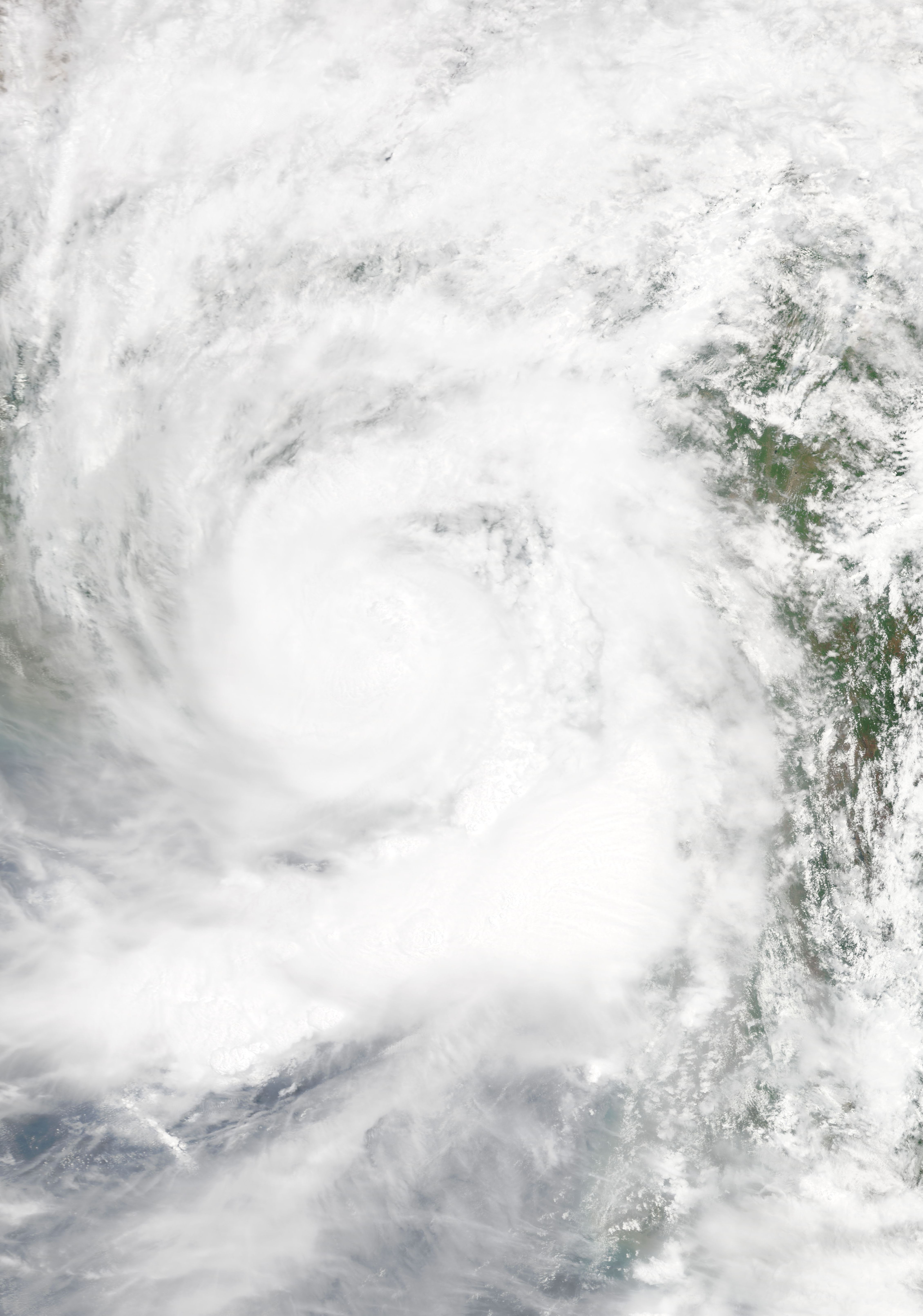
The concern the speakers raised is backed by research. The World Bank's Country Climate and Development Report for Bangladesh, released in October 2022, said average tropical cyclones cost Bangladesh about $1 billion a year and that a severe flood could cut GDP by as much as 9 percent. By 2050, it said, a third of agricultural GDP could be lost and 13 million people could become internal climate migrants. The same report noted that Bangladesh had reduced cyclone-related deaths 100-fold over the past 50 years.
A target of 25 crore trees in five years
Ershad Ullah said the BNP's 31-point state reform programme includes a pledge to protect the environment and biodiversity and to build a healthy, liveable Bangladesh, and that an initiative had been taken to plant 25 crore trees over the next five years. Every thana, ward and unit of Chattogram city BNP would work to carry it out, he said.
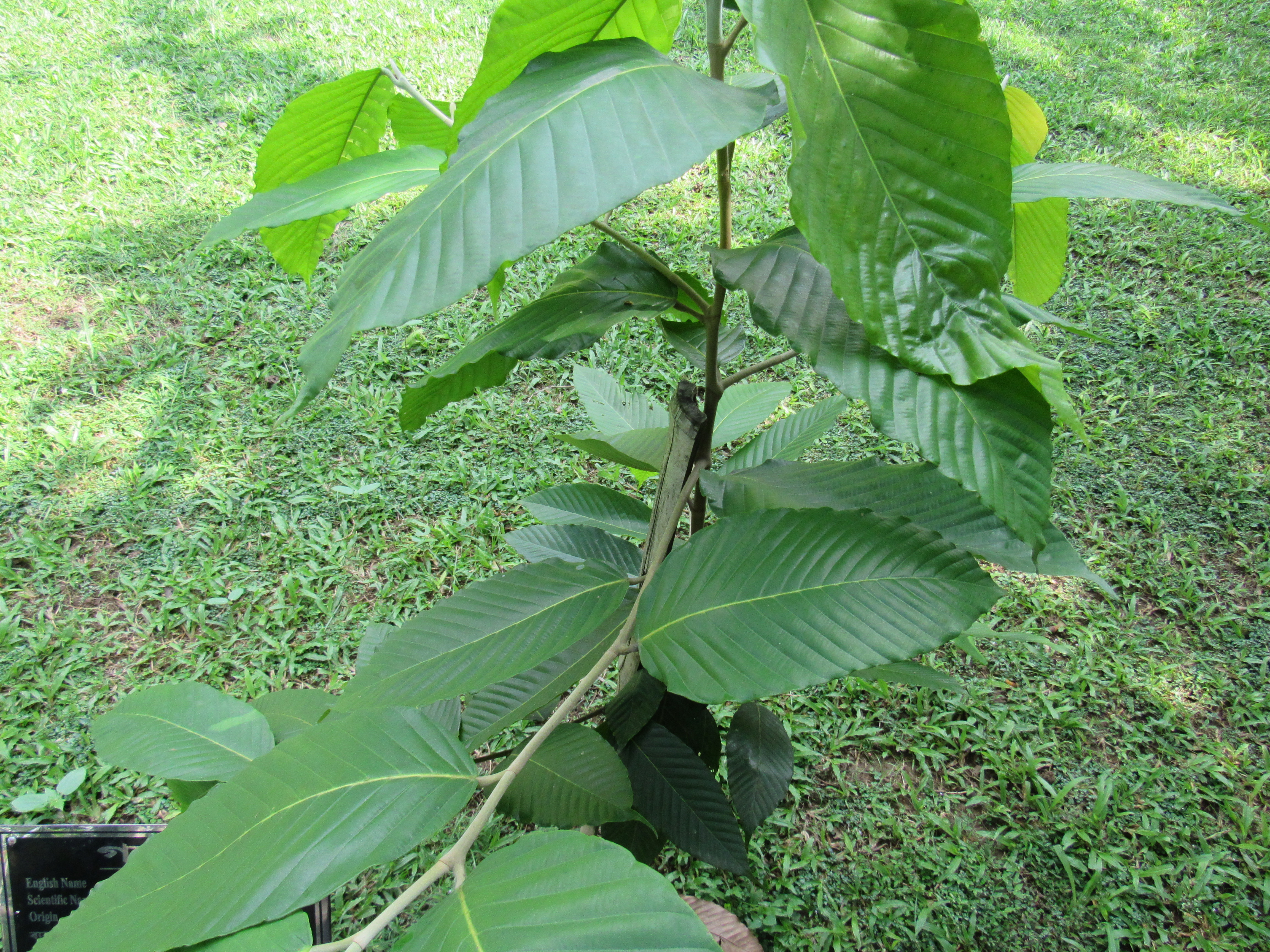
The ruling BNP had pledged in its election manifesto to plant 25 crore trees across the country within five years of coming to power. According to Dhaka Tribune and UNB, Prime Minister Tarique Rahman formally launched the nationwide programme on 13 June 2026 by planting a garjan sapling in the Malumghat Reserved Forest at Dulahazara in Cox's Bazar Sadar upazila. At that event, organised by the Ministry of Environment, Forest and Climate Change, it was announced that the first phase would plant 1.5 crore saplings in 149 upazilas of 49 districts, and that 1,180 saplings of indigenous species would be planted in the forest at the launch site.
Care after planting
Both speakers at the 30 July event stressed keeping saplings alive, not just putting them in the ground. Ershad Ullah asked each citizen to take charge of caring for at least one tree, and Nazimur Rahman asked every party unit to make sure the planted saplings were looked after.
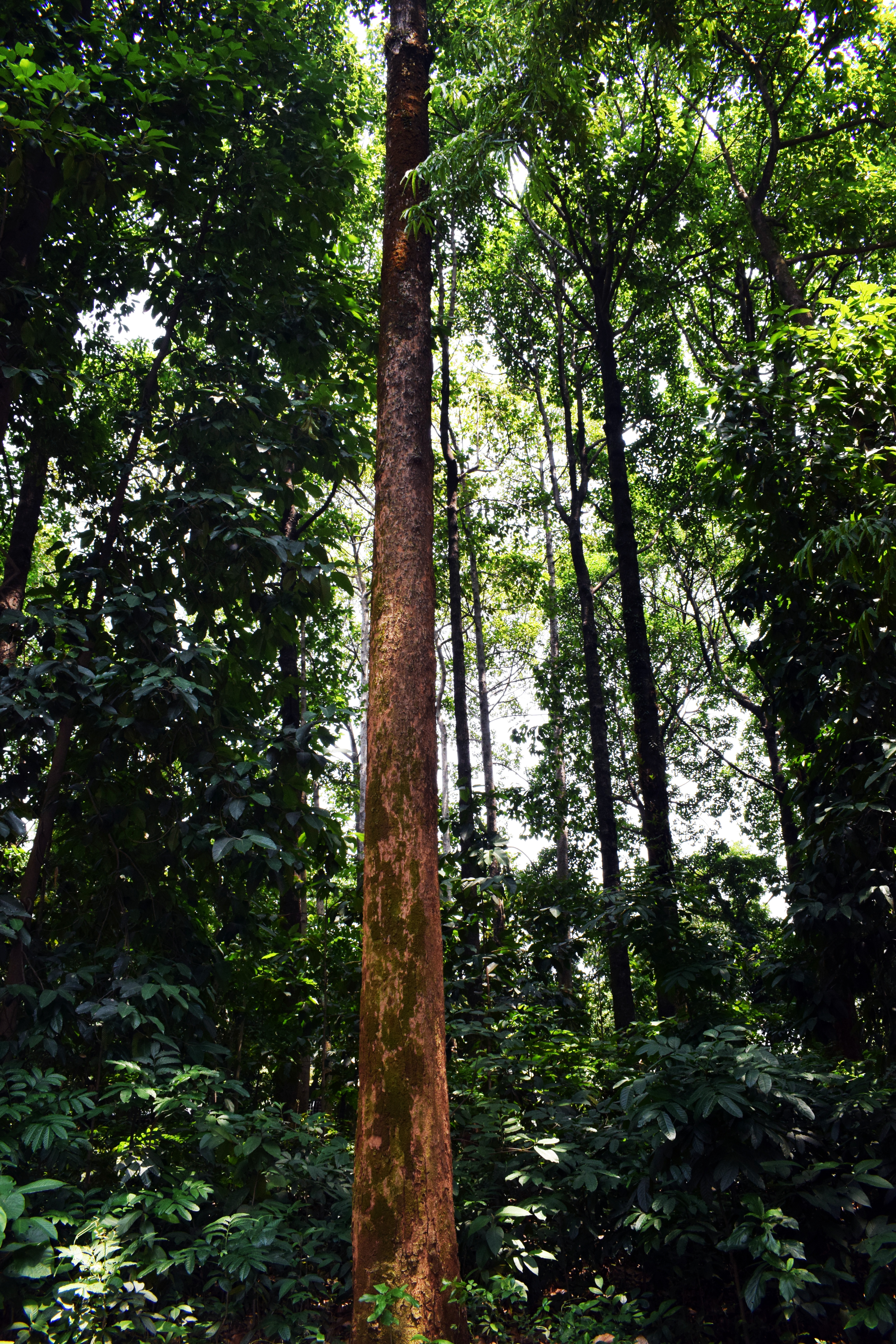
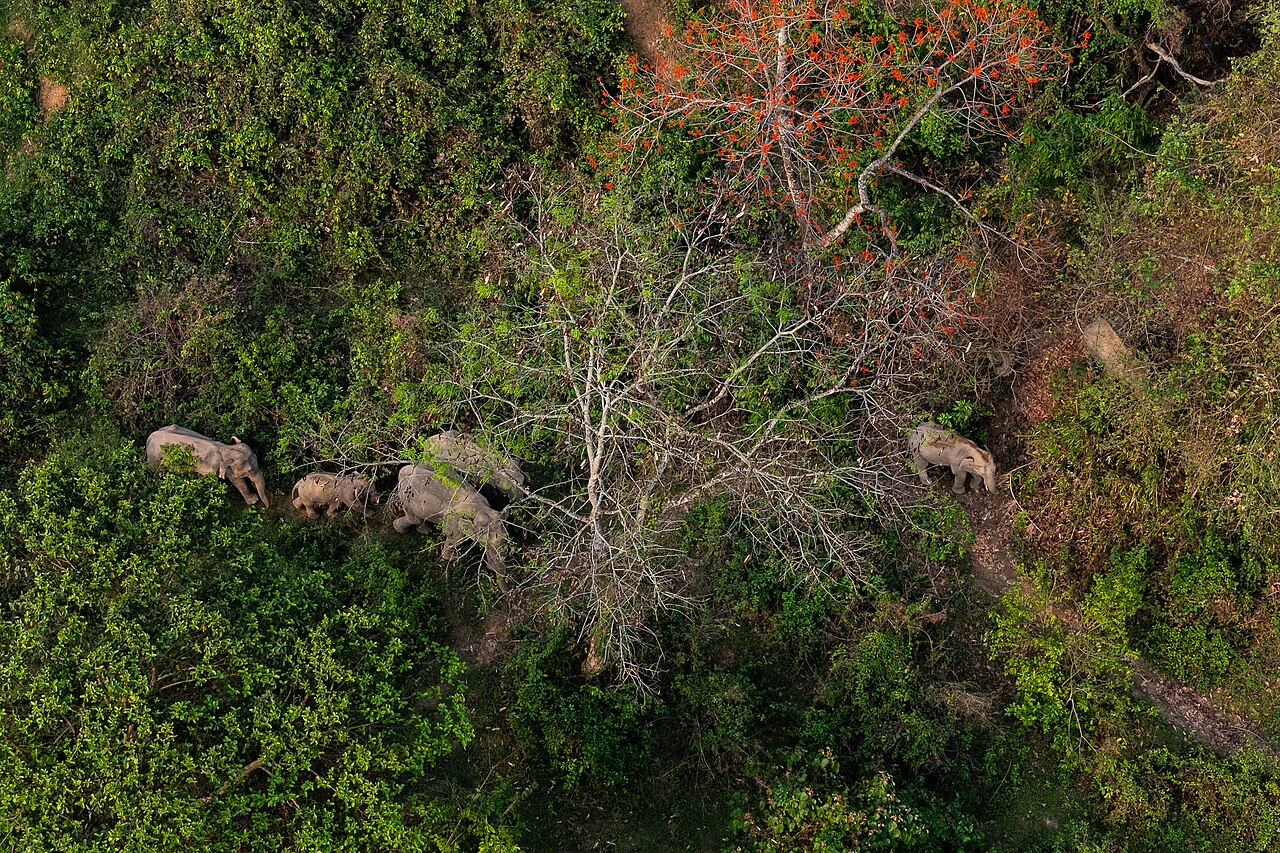
Photo: Owais Al Qarni / Wikimedia Commons (CC BY-SA 4.0)
Sources: Jagonews24, Dhaka Tribune, UNB, World Bank, Wikipedia (Zia Memorial Museum)


Comments
(0)