
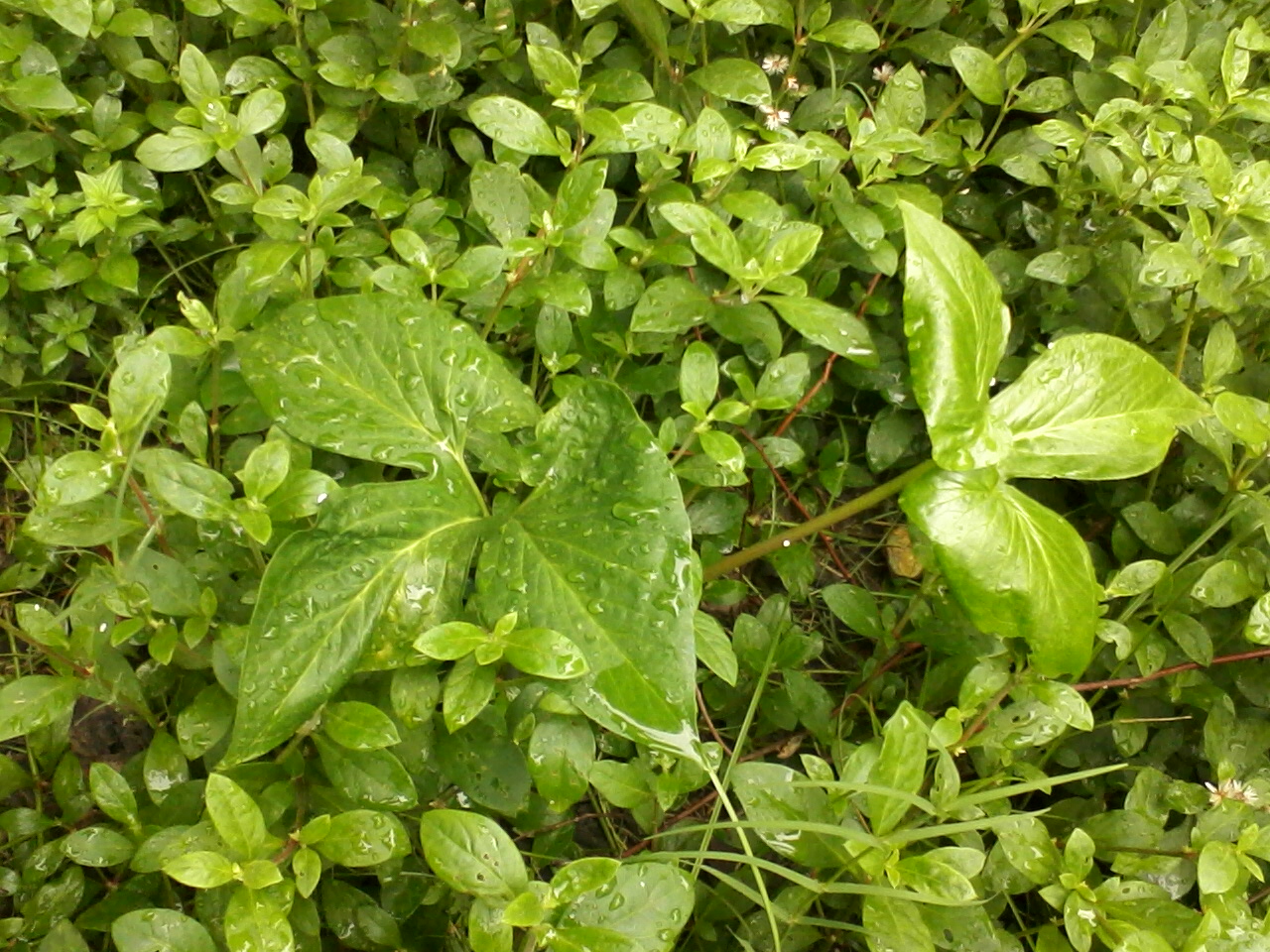
A seven-year-old girl died of a snakebite in Pawel village of Jhilim union, Chapainawabganj Sadar upazila, on the afternoon of Wednesday 17 June 2026. Dr Abdul Kader, the doctor on duty at the 250-bed Chapainawabganj district hospital, confirmed the death, Jagonews24 reported on 18 June.
Hours before she reached hospital
Local people alleged that after the bite the girl was first taken to a village ojha, a traditional healer, for incantations, and that she died there without medical treatment. The report carried no response from the healer or the family on that allegation.
Citing the family, Dr Kader said the child was brought to the hospital several hours after she was bitten. On examination she was found to have died before arrival.
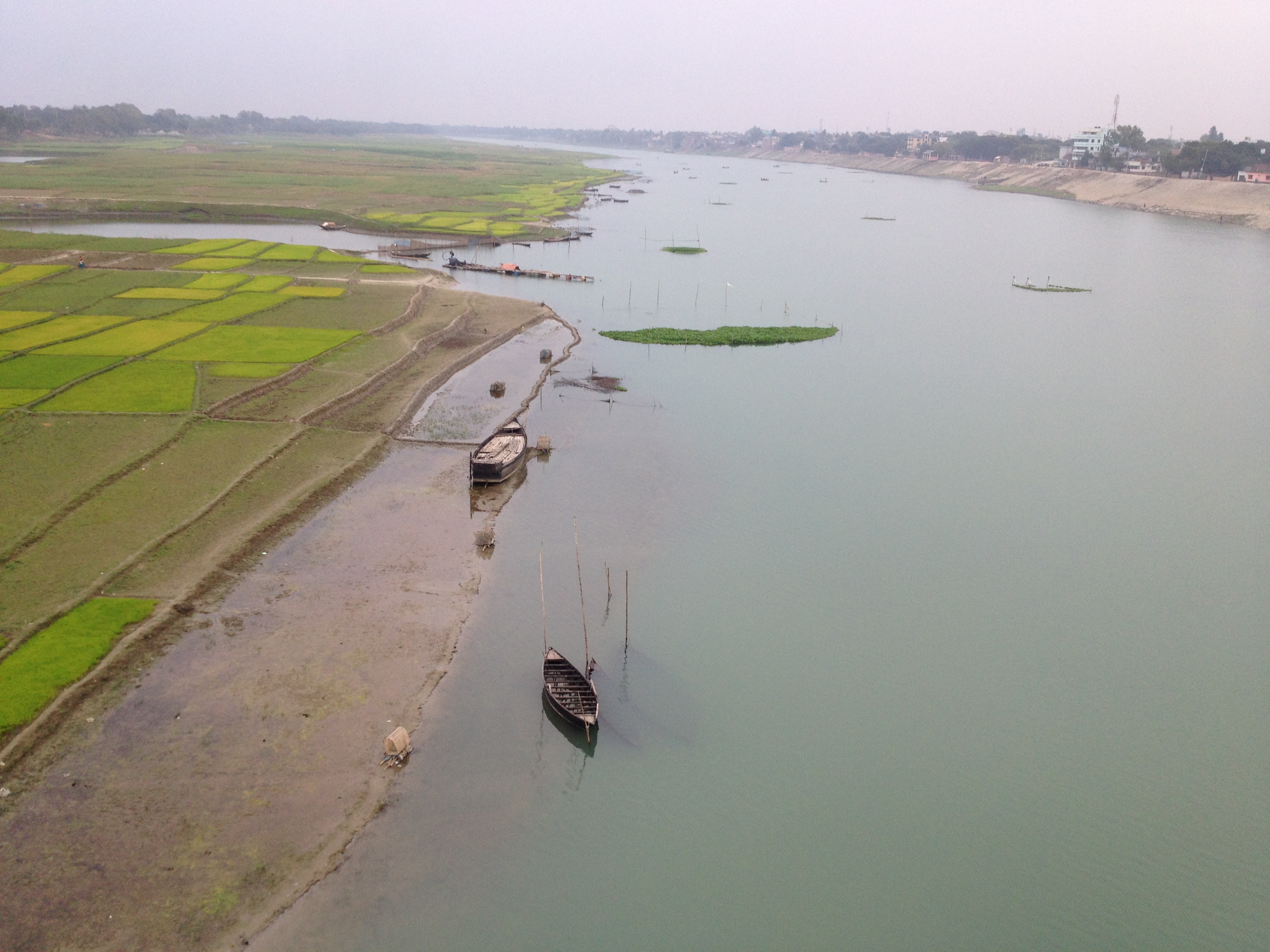
Chapainawabganj is a district of Rajshahi Division and the north-westernmost part of Bangladesh. It borders the Malda and Murshidabad districts of West Bengal, India, to the north and west, Naogaon to the east and Rajshahi to the south-east.
How common snakebite is in Bangladesh
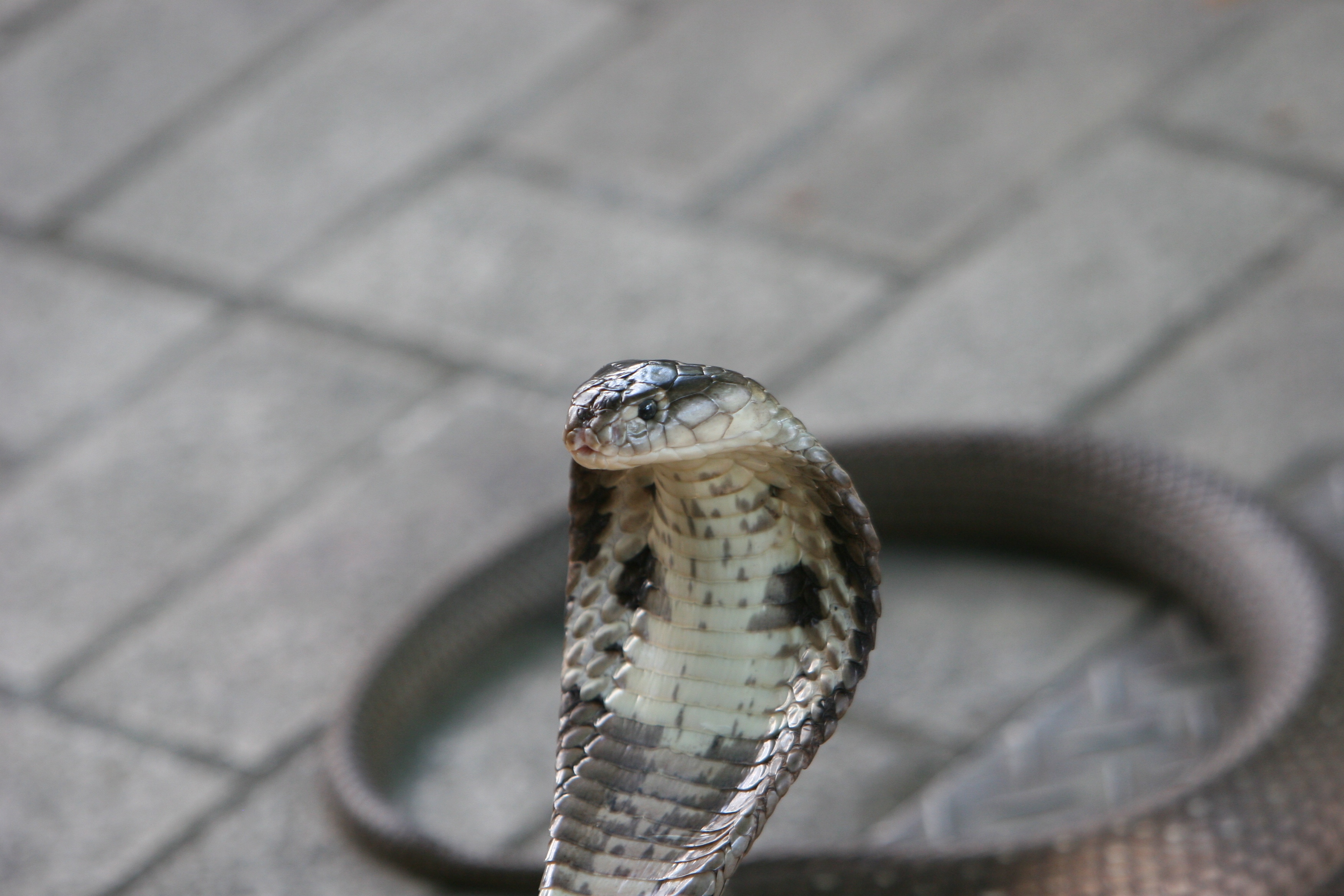
A national survey for 2021-22 by the Non-Communicable Disease Control programme (NCDC) of the Directorate General of Health Services, reported by The Business Standard in June 2023, found that about four lakh (400,000) people are bitten by snakes in Bangladesh every year and 7,511 die. Ninety-five per cent of bites happen in rural areas, and one in four involves a venomous snake. A 2022 report by the state news agency BSS said the country has 94 snake species, 26 of them venomous.
The World Health Organization says agricultural workers and children are the most affected. Because of their smaller body mass, children can suffer more severe effects, and suffer them faster, than adults. The WHO also notes that many victims turn to traditional practices rather than hospital care, one reason many cases never reach official figures.
What to do, and not do, after a snakebite
According to the WHO, antivenom is the most effective treatment to prevent or reverse most of the effects of snake venom, and it is given in hospital. BSS reported that government hospitals in Bangladesh give antivenom to snakebite patients free of charge, and health officials urged families to skip the ojha or kabiraj and go straight to the upazila health complex. MedlinePlus, from the US National Library of Medicine, gives this first aid:
- Keep the person calm and as still as possible; carry them if needed.
- Remove rings, bangles or tight clothing, since the area may swell, and keep the limb still with a loose splint or sling.
- Get medical help at once; do not wait for symptoms.
- Do not apply a tourniquet, cut the bite, suck out venom or apply ice.
- Give nothing by mouth, and do not try to catch or pick up the snake.
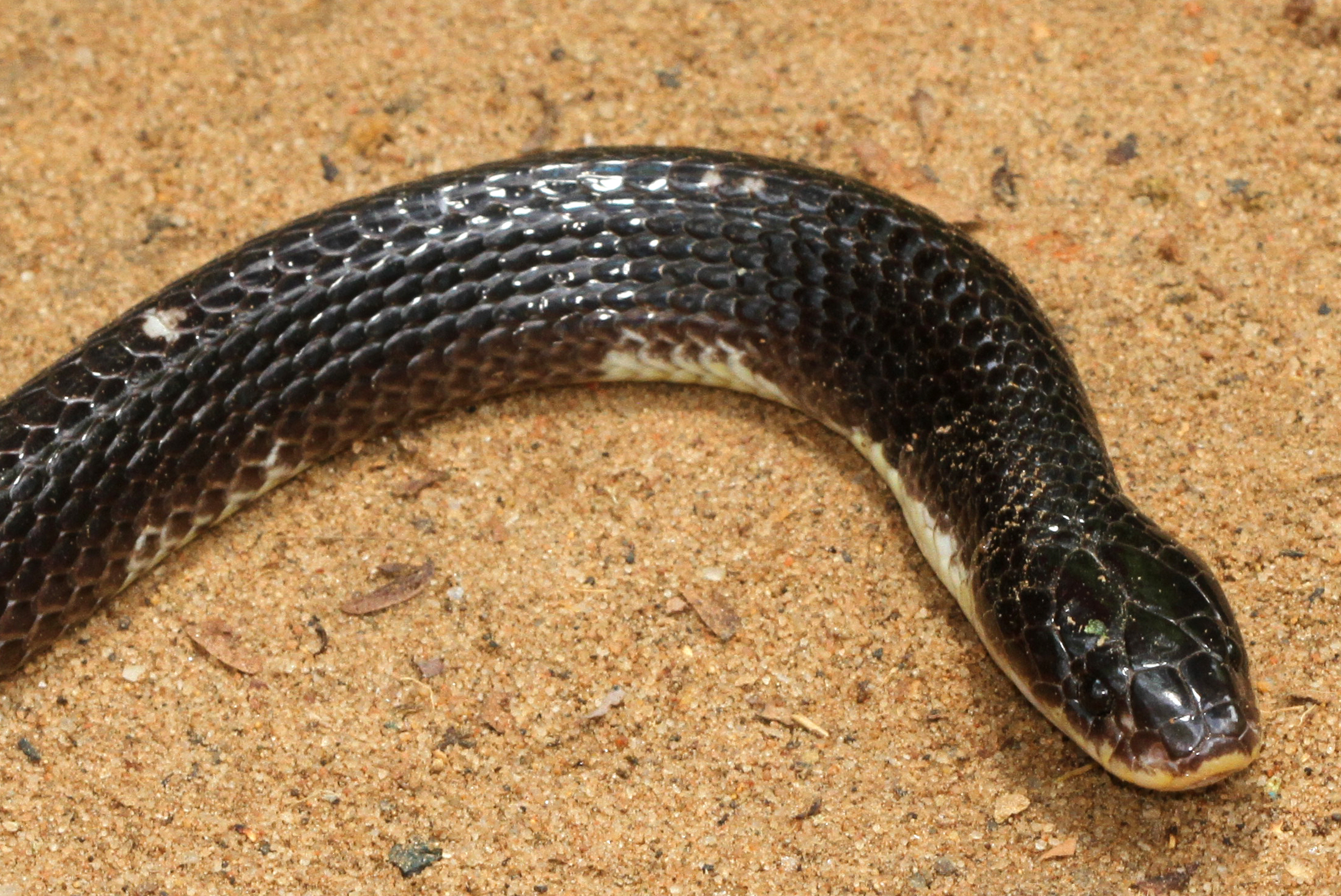
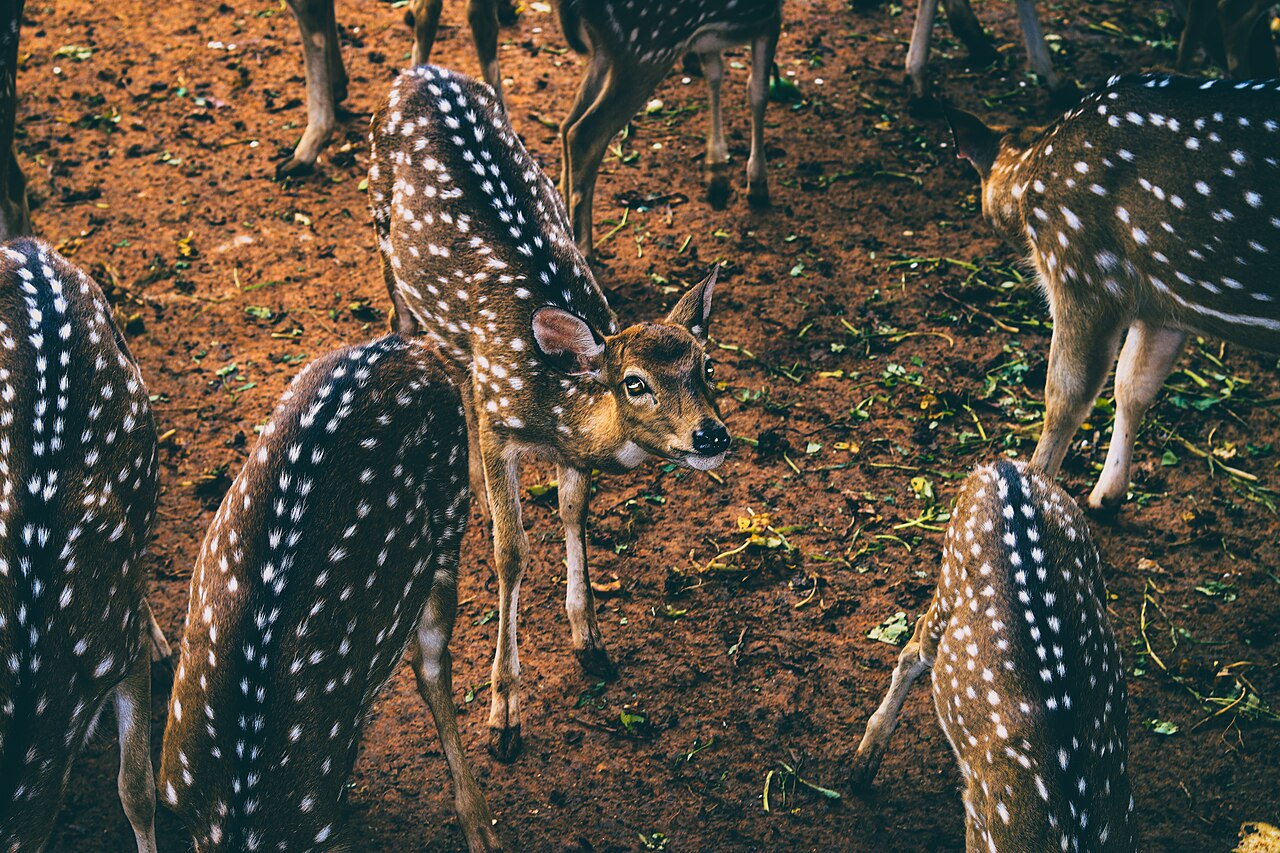
Photo: Rafsanzane Pritom / Wikimedia Commons (CC BY 3.0)
Sources: Jagonews24, World Health Organization, The Business Standard, BSS, MedlinePlus, Wikipedia
Comments
(0)