
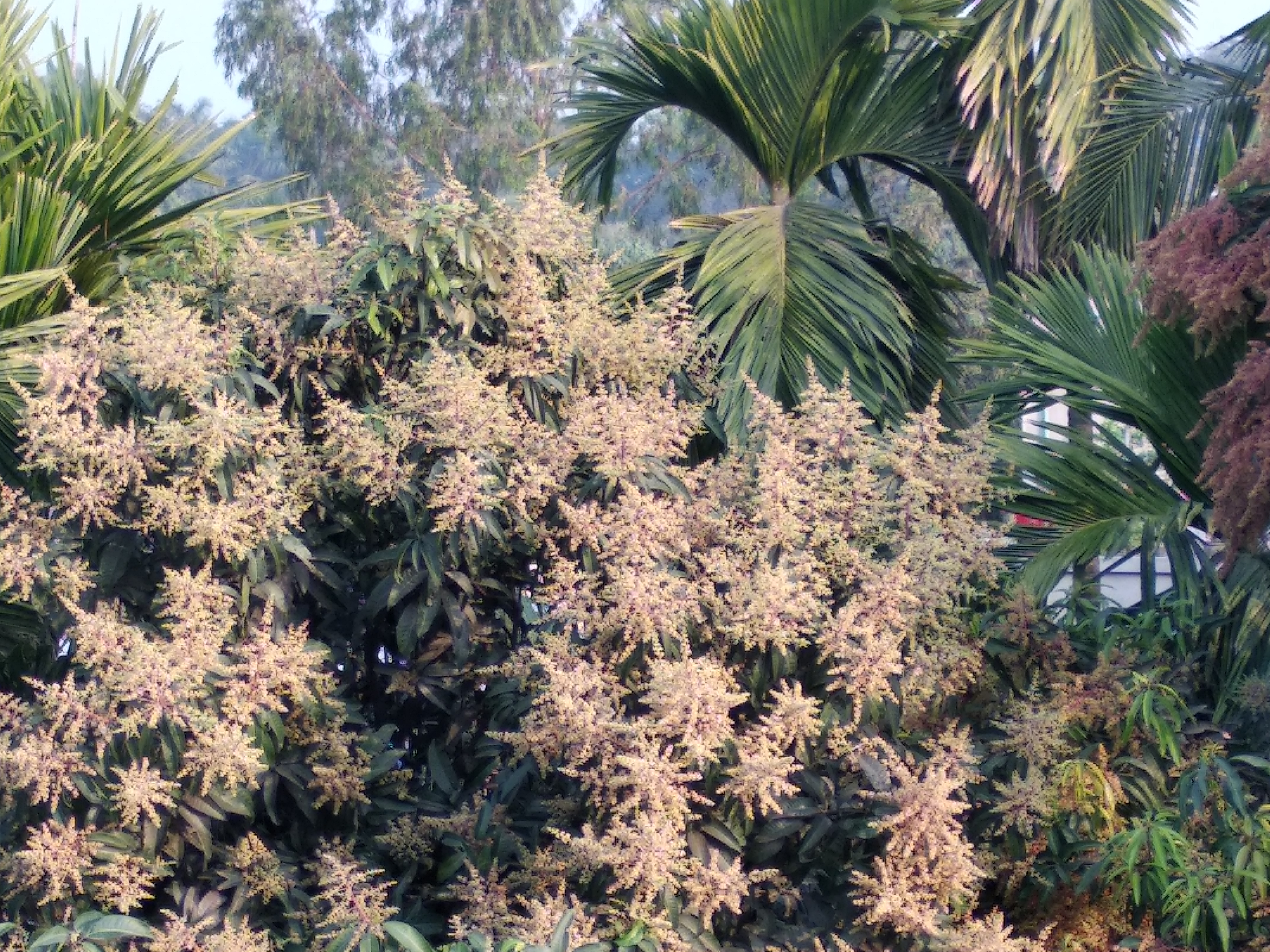
A sudden downpour in the Bengali month of Falgun fell on Chapainawabganj, Bangladesh's largest mango-growing district, at around 10pm on Sunday, 15 March 2026, while the district's orchards were in full blossom. Mango growers told Jagonews24's district correspondent, in a report published at 10:28am the next morning, that they feared widespread damage to the blossom (mukul). Rain at this stage is very harmful to trees in blossom, they said: it could cut the yield, and the tiny young fruit could rot.
The heavy shower also caught people out on their way home that night. But it was the mango growers, the report said, who feared the greatest loss. The district office of the Department of Agricultural Extension (DAE) said farmers had already been alerted and that advice to reduce possible damage would be given.
What growers and the agriculture office said
Iman Ali, a resident of the Chapainawabganj municipal area, said the rain trapped him at around 10pm as he was heading home, and that he reached home soaked about half an hour later.
Shariful Islam of Islampur union said the mango trees were then full of blossom and that some blossoms had already begun to set fruit. Rain at that moment, he said, would do great damage to the blossom.
Hafiz Hossain of Alinagar union said the trees in his orchard were laden with blossom. Most of the trees there are of the Lakkhanbhog (Lakshmanbhog) variety, he said, and many of them were carrying a large number of flowers at the time. The sudden rain could ruin the blossom, he said, and that could badly affect the orchard's yield.
Dr Md Yasin Ali, deputy director of the DAE in Chapainawabganj, said sudden Falgun rain of this kind usually comes towards the end of winter. Although rain is somewhat beneficial for the soil and crops, he said, it can affect trees in flower such as mango. Farmers had already been alerted, he said, and some necessary advice would be given to reduce the possibility of damage. The report gave no estimate of the area affected or of the losses.
A stormy night across the mango belt
The rain was part of a wider spell of unsettled weather that the Bangladesh Meteorological Department (BMD) had forecast. In its forecast issued on the night of Saturday, 14 March, reported by Jagonews24, the department said rain had begun intermittently in different parts of the country from the start of March, that the trend was increasing, and that this was normal rain for the pre-monsoon season, which would continue irregularly through the month. For the five days up to 18 March, it said, rain or thunderstorms with gusty or squally winds and lightning could occur in one or two places in the Rajshahi, Rangpur, Khulna and Barishal divisions and in some places in the Mymensingh, Dhaka, Chattogram and Sylhet divisions, with scattered hail in places.
In Gomastapur upazila of Chapainawabganj, the same night brought a strong storm. Jagonews24 reported at 8:33am on 16 March that a storm which began suddenly at around 10pm on 15 March had caused extensive damage to houses, trees and mango orchards in almost every union of the upazila. Residents said gusty wind and rain coming from the north-west disrupted life in the Rohanpur municipal area and in Boalia, Gomastapur, Alinagar, Parbatipur, Radhanagar and Chowdala unions. Tin roofs of many mud and semi-pucca houses were blown away and many trees were uprooted, and some people left their homes in fear and sheltered in open places. The Gomastapur upazila nirbahi officer said houses, businesses and the farm sector had suffered damage, that no deaths had been reported so far, and that the areas were being inspected to assess the losses.
Storms of this kind are a regular part of the season. Banglapedia, the national encyclopaedia, describes the nor'wester, known locally as kalbaishakhi, as a thunderstorm that generally blows over Bangladesh in April and May from a north-westerly direction. From mid-March to April temperatures rise sharply after the winter months, and warm, moist air near the ground is a precondition for these storms. Hail is common in them, as are thunder and lightning. In the western region of the country they usually arrive in the late afternoon or before evening. Their average wind speed is 40 to 60 kilometres an hour but can exceed 100 kilometres an hour in exceptional cases, and a storm generally lasts less than an hour.
Banglapedia's account of the country's climate places March in the pre-monsoon hot season, which runs from March to May and is marked by high temperatures and thunderstorms. The winter season from November to February is very dry and brings only 2 to 4 percent of the year's rainfall, while the pre-monsoon season brings 10 to 25 percent. March and April are the least humid months over most of the western part of the country.
In Rajshahi and Naogaon, rain was welcomed
Not everyone in the region saw the rain the same way. In neighbouring Rajshahi, Prothom Alo reported at 8:15am on 16 March that 5.6 millimetres of rain had been recorded on Sunday night, and that farmers and agriculture officials considered it beneficial for mango, the district's most important fruit. According to the Rajshahi weather observatory, temperatures had been rising gradually in the second week of March, and on Saturday Rajshahi had recorded the season's highest temperature, 36.4 degrees Celsius. After a cloudy Sunday, rain with a light storm began at 9pm and fell on and off until 11pm. Before that, only 0.1 millimetre of rain had been recorded, on 20 February.
Rahidul Islam, the observer in charge of the Rajshahi observatory, told the paper that at this time of year nor'westers bring rain, temperatures drop and then rise again, and that this was normal for the season. Farmers and officials said mango trees had to be irrigated separately at this time, that a lack of regular rain raised the risk of young fruit dropping, and that farmers were also struggling to get diesel. Mahbub Islam, a grower in Puthia, said his trees had plenty of blossom that year; he had needed to irrigate every tree, but after the night's rain he would not have to for some days. The fruitlets had become visible after the rain, he said, and he hoped their stalks would grow firmer, though he would now have to spray once.
The DAE in Rajshahi told Prothom Alo that the district had 19,062 hectares of mango orchards that year, with a production target of 245,600 tonnes. Its deputy director, Mohammad Nasir Uddin, said some places had received more rain and some less, with an average of 2.32 millimetres by the department's count, and that this had been very beneficial for mango. Because no water stood in the fields, he said, the potato and wheat still in the ground would not be harmed.
Four days earlier, Naogaon had greeted its first rain of the year in a similar way. Prothom Alo reported on 12 March that 27 millimetres fell there between 7am and 9:30am that morning, according to the Badalgachhi weather observatory, the first rain in about four months since mid-November. Growers said the long dry spell had been making blossom and fruitlets drop, and that the rain had washed the dust off the trees. Humayra Mondal, deputy director of the DAE in Naogaon, said the rain was beneficial for mango, litchi and all other crops, though heavy rain would have caused problems in potato fields.
Chapainawabganj itself had seen an earlier scare. Dinajpur TV reported on 26 February that light to moderate rain had fallen on and off across the district on the night of Tuesday, 24 February, with more in the Kansat, Binodpur and Mobarakpur unions of Shibganj upazila, and that orchard owners were anxious. The report said such untimely rain raises the risk of fungal disease in the blossom, and that agriculture officials had advised growers to spray the necessary fungicide quickly and keep up orchard care. The Chapainawabganj Mango Foundation said that if sunshine followed the rain quickly the damage could be smaller, while the Mango Producer Cooperative Society said trees that had only just come into blossom were most at risk, but that the rain could even help blossoms that had already set fruit. The Shibganj upazila agriculture officer said the rain could benefit rice, wheat, onion and other rabi crops.
Why rain at flowering worries growers
The fear in Chapainawabganj and the relief in Rajshahi both have a basis in what agricultural scientists say about the mango. Banglapedia notes that the flowers are small, fragrant and white-yellowish or violet, borne in large panicles at the ends of the shoots, and that a single inflorescence may carry 100 to 250 flower buds, not all of which open. Only about one or two flowers in a thousand become a mature fruit, and two or three fruits on a panicle are often enough for a satisfactory crop. Fruit setting is adversely affected by fog, rain or cloudy weather in January to March, when the trees flower, the encyclopaedia says. Mild showers while the fruit is developing and enlarging are beneficial, but storms, particularly hailstorms, often make immature fruit drop.
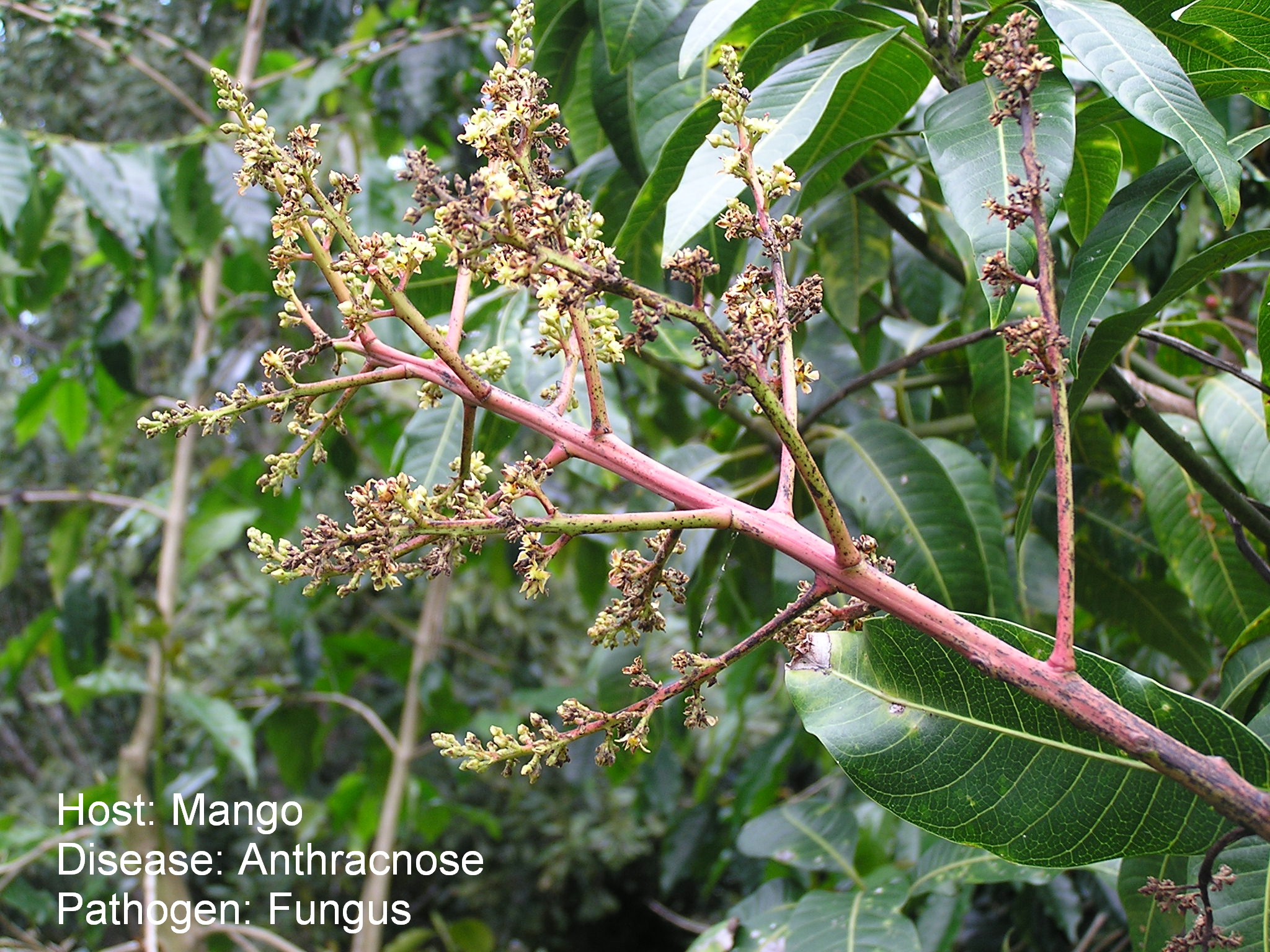
The main danger from rain at flowering is fungal disease. The University of Florida's extension service, in its guide to growing mango updated in February 2024, says anthracnose, caused by the fungus Colletotrichum gloeosporioides, is the most important mango disease in Florida. It attacks flowers, young fruit, leaves and twigs, producing black, slightly sunken lesions that cause blossom blight, leaf spotting, fruit staining and fruit rot, and its development is encouraged by rain or heavy dew. Powdery mildew, the other major disease of the panicles, attacks leaves, flowers and young fruit during dry spring weather, and severe infections destroy flowering panicles and stop fruit setting. Dry weather before and during flowering is considered best for good fruit production, the guide says.
Bangladeshi research makes the same point for the country's best-known variety. In an article in Krishi Kotha, the magazine of the government's Agricultural Information Service (AIS), on Chapainawabganj's Khirsapat mango receiving its geographical indication (GI) certificate, a senior scientific officer of the Bangladesh Agricultural Research Institute (BARI) wrote in 2019 that yield and quality are good when the weather is dry and cool at flowering and dry and hot, at 28 to 35 degrees Celsius, while the fruit grows and matures. Rain when the blossom is emerging or after it has emerged can bring attacks of various diseases and pests, and heavy rain during fruit growth and maturity spoils the quality, the article said.
Dry weather has its own cost later on. Writing in Krishi Kotha on 15 March 2026, the day of the rain, a BARI senior scientific officer, Md Plabon, explained that each mango panicle usually carries 1,000 to 6,000 male and female flowers, and that one to 30 fruitlets set on each cluster depending on the variety, of which only one or two remain 25 to 50 days later. When rainfall is low in March and April, the early stage of fruit growth, the soil runs short of moisture, an abscission layer forms quickly on the fruit stalk and the fruitlets drop. That is why growers in Rajshahi and Naogaon, whose trees had already set fruit and who were struggling to irrigate, welcomed rain that growers in Chapainawabganj with trees still in heavy flower feared.
What the agriculture authorities advise at blossom time
The DAE said advice would be given to growers after the rain; the published guidance of the government's agricultural bodies shows what such advice usually covers. A Krishi Kotha article of March 2018 on disease and pest management in mango orchards set out four principles for any spray: the right pesticide, the right dose, the right timing and the right method. Growers should not ask pesticide dealers what to spray, it said, but should consult the local agriculture worker, the agriculture office or the mango research centre, and should alternate between product groups rather than spray the same group again and again, because pests and disease organisms can build up resistance.
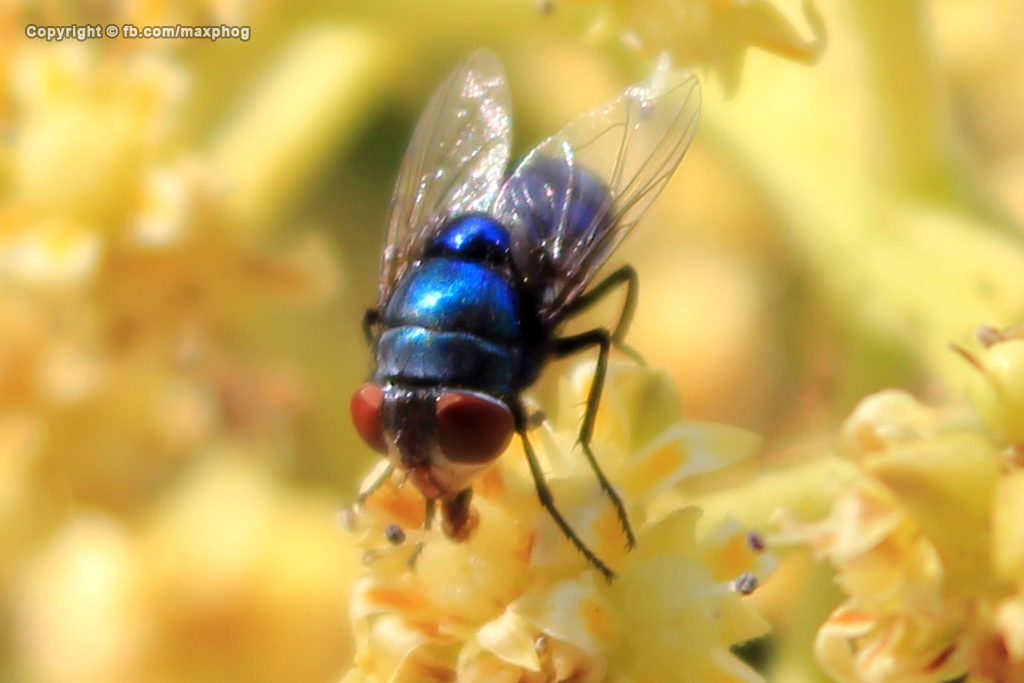
On timing, the 2018 article said the first spray should be given about 10 to 15 days before the blossom emerges and the second when the panicles are 10 to 12 centimetres long, and that no spray should be given once the flowers have opened. Mango pollination is done mainly by various species of flies, it explained, and spraying insecticide at flowering can kill them and seriously harm pollination and fruit set. It also said that if the weather is favourable for anthracnose or powdery mildew, a fungicide should be sprayed as a preventive measure even if the diseases have not yet appeared on the blossom. The AIS guide to farm work in the month of Falgun, published in January 2016, says anthracnose appears on mango panicles at this time and advises a fungicide spray on affected trees after the panicles appear but before the flowers open, with a second spray when the fruit is the size of a pea.
Scientists in Chapainawabganj had given similar advice before the season. In January 2025, Dr Mokhlesur Rahman, then chief scientific officer of the Regional Horticultural Research Centre in Chapainawabganj, told the Dhaka Tribune that rain during the flowering period could damage the flowers, and advised growers to spray their orchards with appropriate pesticides and fungicides to protect the blossom and to irrigate properly if it did not rain. In February 2026, DAE officials told The Business Standard that they were advising farmers on balanced fertilisation, irrigation and disease prevention, and encouraging environmentally friendly practices to preserve bee populations and ensure pollination.
The 2018 Krishi Kotha article also listed safety rules for anyone spraying an orchard:
- Do not touch any pesticide with bare hands; wear gloves, an apron covering the whole body, glasses and a cap or helmet, and shoes.
- Do not eat, drink or smoke while spraying, and do not let ponds or other water sources become contaminated.
- Spray with the wind, standing on the side of the tree from which the wind is blowing.
- Keep cattle, goats, ducks and chickens from grazing under sprayed trees for two days.
- Do not eat mangoes from a tree within 15 to 20 days of a spray, so stop spraying 15 to 20 days before picking.
- Bury empty pesticide packets and bottles rather than reusing them, and store pesticides locked away, out of the reach of children.
This report gives no product names or doses. Which fungicide or insecticide to use, at what rate and when, is a decision for the upazila agriculture officer or the scientists of the Regional Horticultural Research Centre, according to the conditions in each orchard.
A season of early, heavy blossom
The rain came after a promising start to the 2026 season. On 20 February the state news agency BSS reported, from DAE data, that Chapainawabganj had 37,487 hectares under mango, with 9,244,765 trees and an official production target of 458,912 tonnes for the year. Orchards in Sadar and Shibganj upazilas were heavily laden with buds, and the blossom was visible across all five upazilas. The varieties already in bud included Guti, Lakhonbhog, Amrapali, Gopalbhog, Langra, Fazli, Khirsapat and Ashwina. Dr Yasin Ali said then that about 70 percent of the district's trees had budded. Abdur Razzak, a grower from Ranihati union in Sadar upazila, told the agency the buds had come earlier than in previous years, and that he expected a very large crop if heavy fog did not destroy it.
The Business Standard reported on 23 February that more than 150 varieties are grown in the district, and that growers remembered the previous season, when abundant blossom and a promising fruit set were followed by heavy rain during ripening that damaged fruit and depressed prices. Agricultural experts warned the paper that excessive fog, early rainfall or sudden temperature swings in the period after flowering could make flowers drop, reducing fruit set and output. Growers also complained that the prices of fertiliser, pesticide and other inputs, and labour wages, had pushed up their costs.
In Gomastapur, the upazila later struck by the 15 March storm, the upazila agriculture office told The Business Standard on 28 February that mango was grown on 4,390 hectares that season and that about 92 percent of trees had bloomed, helped by a mild winter with less fog and fewer overcast days, which had also lowered the risk of pests and fungal disease. Montaz Ali, a grower from Boalia union with an eight-bigha orchard, said almost every tree had bloomed well; his varieties included Amrapali, Kalibhog, Laxmanbhog, BARI-4, Fazli, Langra and Himsagar.
Across the DAE's Rajshahi region, which comprises Rajshahi, Naogaon, Natore and Chapainawabganj, BSS reported on 26 February that 92,552 hectares of orchards held 34,960,554 trees, of which about 63 percent had blossomed. Chapainawabganj's orchards had shrunk by 17 hectares in a year, from 37,504 to 37,487 hectares. The Financial Express reported on 5 March that farmers and officials blamed the decline mainly on unregulated digging of fish ponds, along with rising production costs, more pest attacks and uncertain prices. In the previous season, according to official data cited by The Daily Star on 25 February, Chapainawabganj had produced about 458,640 tonnes of mangoes. A year earlier, the DAE told the Dhaka Tribune in January 2025 that the district had produced 348,278 tonnes in 2024, an "off-year" in the natural cycle in which a high-yield year is followed by a lower one; Shibganj upazila held the largest area of orchards, 20,100 hectares, followed by Sadar with 5,180 hectares.
Chapainawabganj and its mango varieties
Chapainawabganj, which Banglapedia lists under its former name Nawabganj, covers 1,702.55 square kilometres in Rajshahi division. It is bounded by India's West Bengal on the north, south and west and by Rajshahi and Naogaon districts on the east, and its land is made up of Barind tract, diara and char. Its main rivers are the Padma, the Mahananda and the Pagla. Until 1947 Nawabganj was a thana of Maldah district; at partition it became a subdivision of Rajshahi district, and it was made a district in 1984. Of its five upazilas, Shibganj is the largest, at 525.43 square kilometres, and Bholahat the smallest, at 123.52 square kilometres. The 2011 census counted 1,647,521 people, and agriculture was the main source of income for 57.13 percent.
Banglapedia notes that Bangladesh's superior mango varieties are grown mostly in Rajshahi, Nawabganj and Dinajpur, and lists Laksmanbhog, the variety Hafiz Hossain said fills most of his orchard, among the elite varieties alongside Fazli, Langra, Gopalbhog, Himsagar, Khirsapat and Ashwina. The country has nearly 100 cultivars, and BARI's horticulture division has research centres at Rajshahi, Nawabganj and Joydebpur working on propagation, production and post-harvest technology. Some of the country's best orchards are on the alluvial soils of the Ganges floodplain, and the mango does best where there is enough rain to wet the soil deeply and a well-defined dry season.
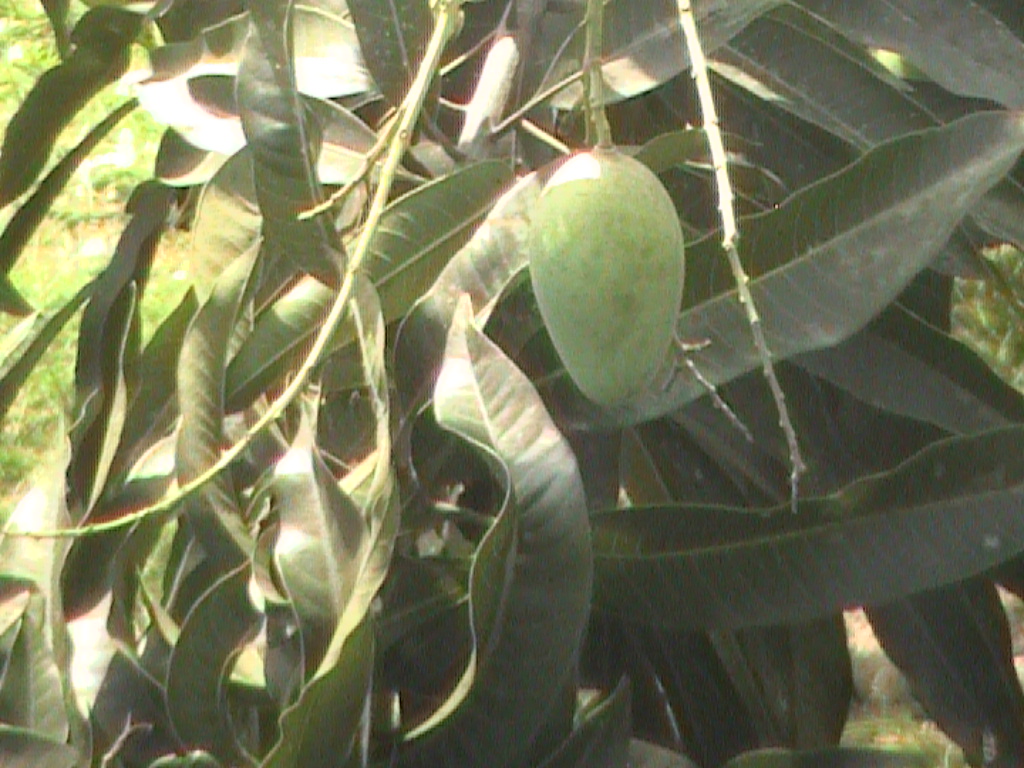
Khirsapat is the district's signature variety. The 2019 Krishi Kotha article says BARI's Regional Horticulture Research Station in Chapainawabganj was given the task in 2016 of registering it as a GI product; it was published in GI Journal No. 3 in January 2018 before the Department of Patents, Designs and Trademarks decided to grant the certificate. The district falls in Agro-Ecological Zone 11, the High Ganges River Floodplain, with the soil pH of 6.5 to 7.5 that good Khirsapat needs. The fruit takes about four months from flowering to maturity, and Khirsapat made up 20 to 25 percent of total mango production, the article said. That four-month span is why the weather of February and March decides so much of the summer harvest.
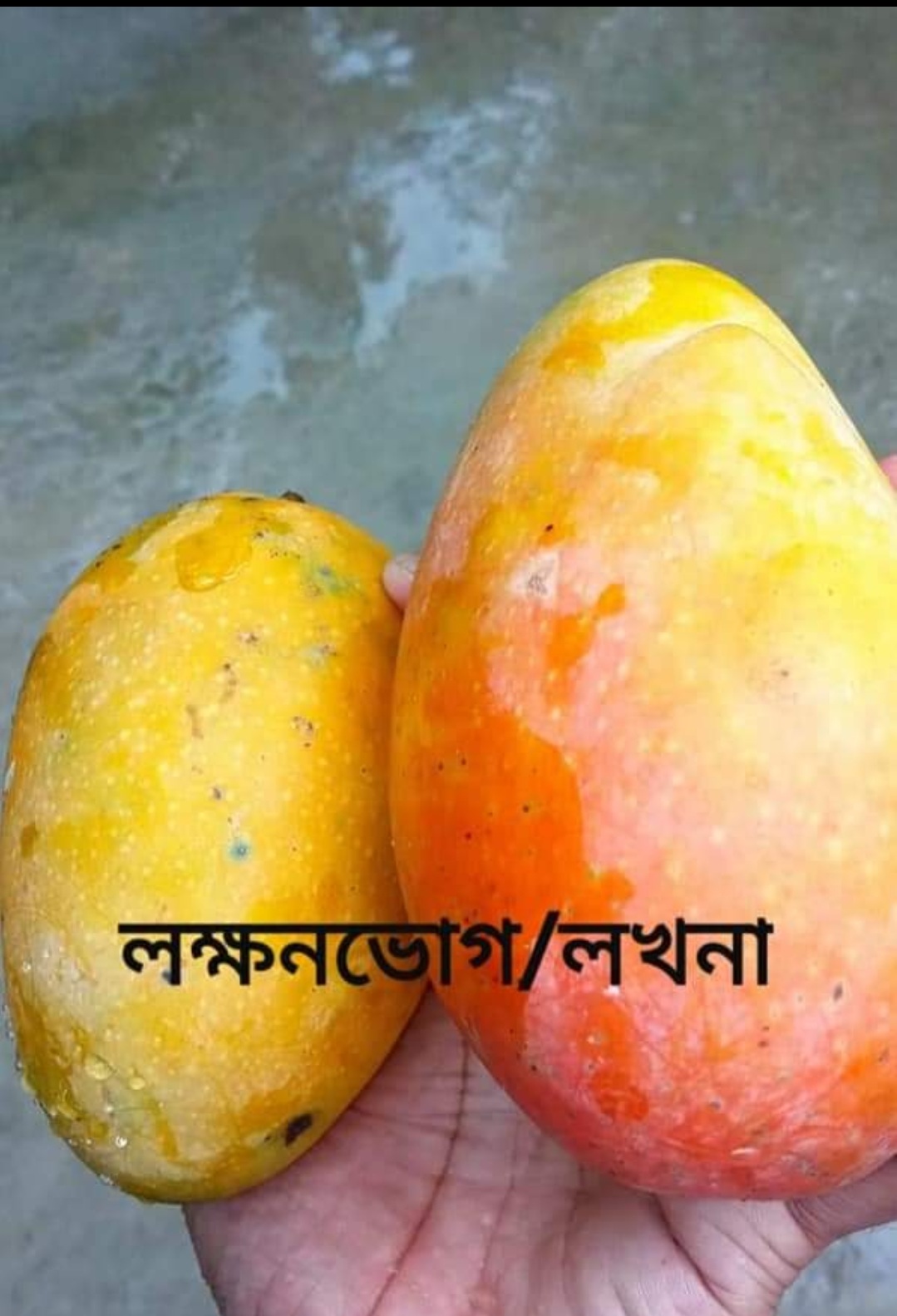
Photo: Sd Raihan / Wikimedia Commons (CC BY-SA 4.0)
Sources: Jagonews24, Prothom Alo, Dinajpur TV, Bangladesh Sangbad Sangstha (BSS), The Business Standard, The Financial Express, The Daily Star, Dhaka Tribune, Agricultural Information Service (Krishi Kotha), Banglapedia, University of Florida IFAS Extension
Comments
(0)