
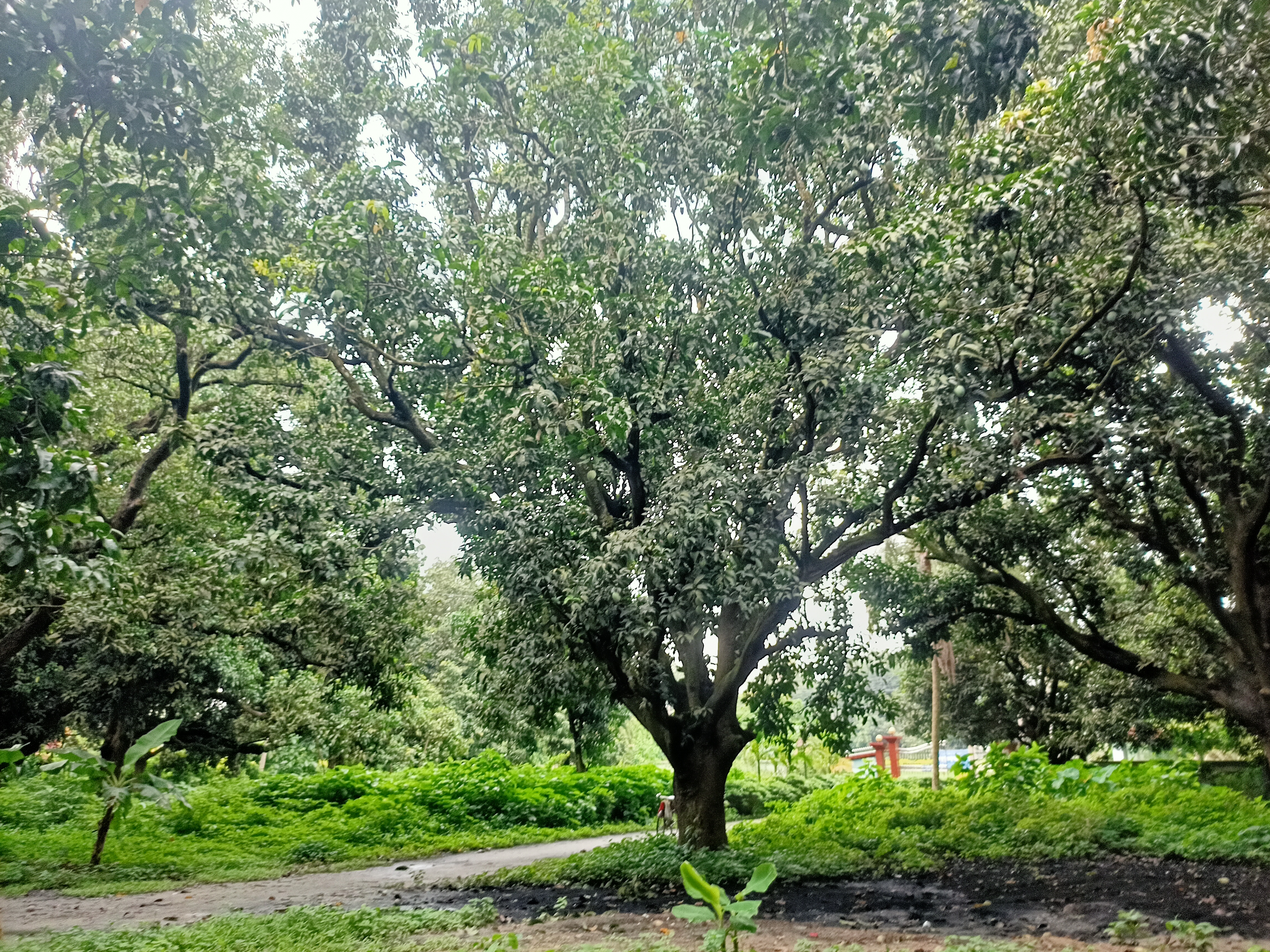
Mango exports from Chapainawabganj, the district widely known as Bangladesh's mango capital, began for the 2026 season on the afternoon of Friday, 5 June 2026, when two tonnes of Khirsapat and Banana Mango were sent to Italy. Jagonews24 reported the shipment the next morning, describing it as the opening of the district's export activity for the season.
The fruit came from the orchard of grower Shamim Reza Sohag of Chatra village in Chakkirti union, Shibganj upazila. He told the paper that his orchard produces about 50 tonnes of export-grade mangoes, but that he cannot send all of it abroad, and that this keeps him from the profit he expects.
A Shibganj grower's road to export
According to the grower, he started producing export-quality mangoes in 2022. In 2023 he sent 12 tonnes abroad for the first time, and in 2025 he exported 35 tonnes to several countries. In 2026 he began at the very start of the season, with the two tonnes that left for Italy on 5 June.
Dr Yasin Ali, deputy director of the Department of Agricultural Extension (DAE) in Chapainawabganj, told Jagonews24: "Work is under way to expand foreign markets through the production of safe, quality mangoes. Demand for Chapainawabganj mangoes is growing in Europe and other countries."
Italy was not a new market for Bangladeshi mangoes. When exports began in 2015, the first buyers were Bangladeshi communities in the United Kingdom, Italy and the Middle East, The Daily Star reported in September 2025. In the 2025 season Italy took more than 264 tonnes, the third largest volume after the United Kingdom and Saudi Arabia, and the paper noted that demand in Italy followed a pattern similar to the British market.
Chapainawabganj's 2026 mango season
The district office of the DAE put the area under mango in Chapainawabganj in 2026 at 37,487 hectares and set a production target of 4,58,912 tonnes. The state news agency BSS, reporting on 16 May 2026, said the target was 912 tonnes higher than the previous year's target of 4,58,000 tonnes. Bangladesh Pratidin, on 1 May 2026, reported that the district's five upazilas held about 90 lakh mango trees on those 37,487 hectares.
The district's mango area had grown over the previous decade. In July 2017 The Daily Star quoted Monjurul Huda, then deputy director of the DAE in the district, as saying Chapainawabganj had 19 lakh mango trees on 26,150 hectares producing 2.40 lakh tonnes a year, and the paper put the number of mango varieties in the district at about 350.
No harvest calendar was fixed for the season. According to BSS, the deputy commissioner and district magistrate, Abu Saleh Md Musa, said a meeting held on 11 May with the growers' consent had decided against a calendar for picking mangoes, so that fruit could be sold as soon as it ripened on the tree. He also said he would discuss the long-standing dispute over weights with higher authorities.
BSS reported that ripe mangoes of the guti (seedling) type and the Gopalbhog variety had been found in parts of the district from Thursday, 14 May, and that growers expected the harvest of those early varieties to begin between 20 and 25 May. An aratdar (commission agent) at Kansat, the district's largest mango market, told the agency he hoped to start buying in small quantities after 20 May.
Growers also raised complaints. Monirul Islam, a grower in Shibganj, told BSS that although a maund should be 40 kg, growers are made to give 50 to 55 kg for a maund depending on the place, and that mangoes he sells at Tk 40 a kg are sold for Tk 80 to 100 a kg in Dhaka and elsewhere. He called on the deputy commissioner and the government to step in so that growers get a fair price. Dr Yasin Ali told the agency that the district's weather, soil quality and geography make its mangoes tastier than those of other districts, though they ripen somewhat later.
The season had a difficult spring. On 1 May 2026 Bangladesh Pratidin reported hailstorms and two Kalbaishakhi (nor'wester) storms in parts of the district, and growers said fuel shortages at local pumps left them unable to run sprayers to apply fungicide after the hail. The DAE deputy director answered that many growers spray more than is needed in the belief that more spraying brings more fruit, that the production target would not be affected, and that farmers were receiving fuel through their farmer cards.
The district and its mango belt
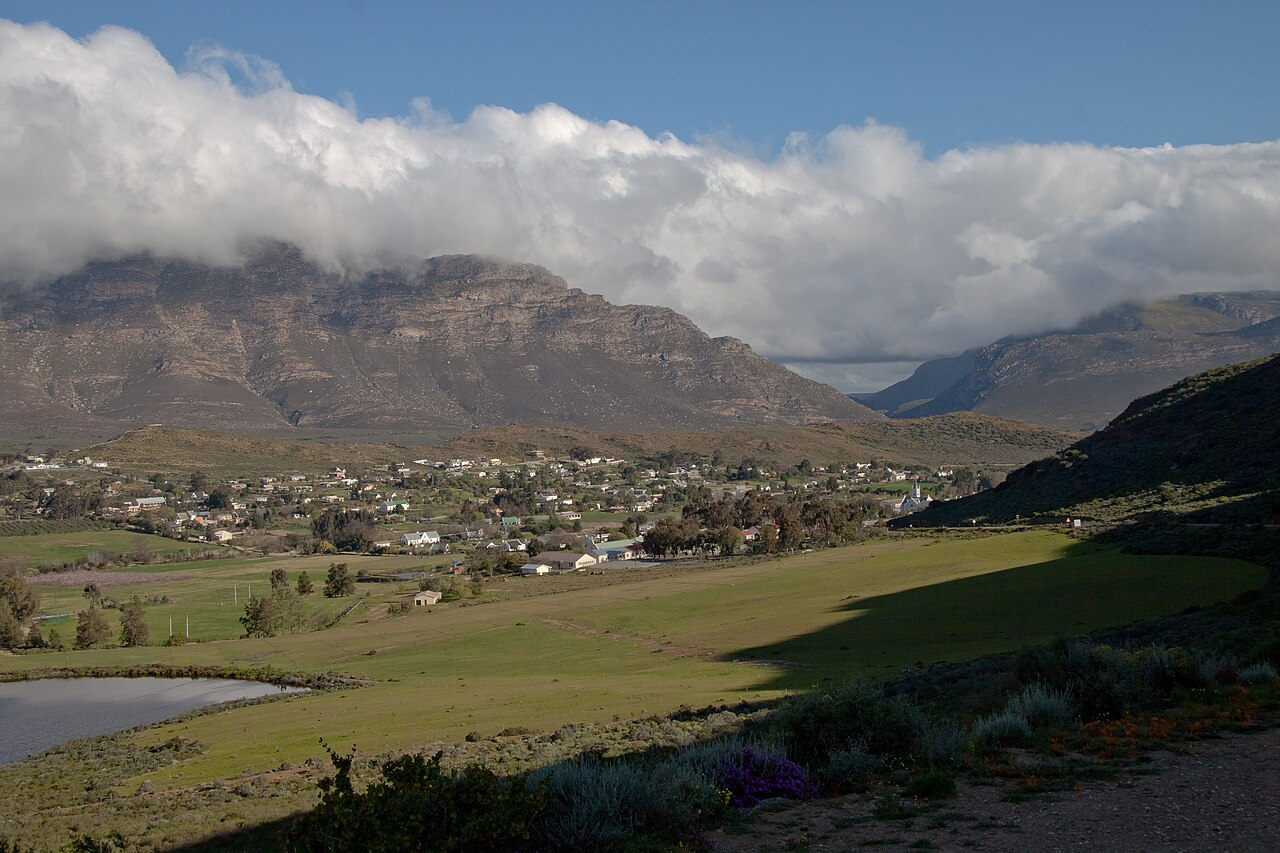
Chapai Nawabganj district, in Rajshahi division, covers 1,702.55 square kilometres and is bounded by the Indian state of West Bengal on the north, south and west, and by Rajshahi and Naogaon districts on the east, according to Banglapedia, the national encyclopedia of Bangladesh. Its land is made up of the Barind tract, diara and char lands, and its main rivers are the Padma, the Mahananda and the Pagla. Nawabganj was a thana of Maldah district until 1947, became a subdivision of Rajshahi district after partition, and was made a district in 1984.
Shibganj, where the exporting grower farms, is the largest of the district's five upazilas at 525.43 square kilometres, about 30.86 percent of the district's area. Banglapedia lists mango first among Shibganj's main exports, followed by molasses, silk saris, cotton piece goods and lac dye, and names the Kansat hat among the upazila's best-known markets. Agriculture is the main source of income for 59.25 percent of the upazila's households, according to the same entry, which draws on the 2011 population census.
Banglapedia notes that most mango in Bangladesh is grown in homestead plantations and that the main mango districts are Rajshahi, Nawabganj and Dinajpur, with some of the best orchards on the Ganges floodplains, where soils are deep alluvial loam. Mango trees flower between January and March; fog, rain or cloud during that period harms fruit set, and only about one or two of every thousand flowers become mature fruit.
The same encyclopedia describes mango, Mangifera indica of the family Anacardiaceae, as considered by some authorities to be native to the eastern part of the subcontinent, including Bangladesh, Assam and Myanmar. It records that the Mughal emperor Akbar (1556-1605) planted about 100,000 mango trees near Darbhanga, regarded as the subcontinent's first organised mango orchard. Grafted trees bear fruit from their fourth year and stay productive to about their 45th year, while seedling trees can bear for more than 60 years.
Khirsapat, Chapainawabganj's GI mango
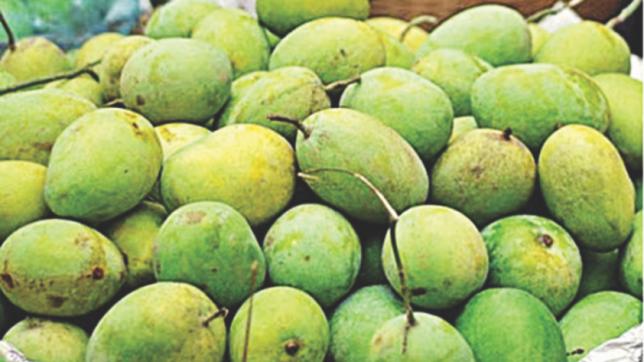
Khirsapat, popularly known as Himsagar, became Bangladesh's third product with a Geographical Indication (GI), after hilsa and jamdani, on 27 January 2019, The Daily Star reported. A GI identifies a product whose qualities are tied to the place it comes from. The Bangladesh Agricultural Research Institute (BARI) had applied to the Department of Patents, Designs and Trademarks (DPDT) in February 2017 on behalf of Chapainawabganj's growers, and the certificate was handed to the director of BARI's Horticulture Research Centre at the industries ministry.
Under the arrangement described at the time, Chapainawabganj growers had to register with the DPDT to become authorised users of the tag, and the DPDT would issue them certificates. Sorof Uddin, a BARI mango researcher, told the paper that Khirsapat was the second most widely grown mango variety after Ashwina. The paper also noted that India had registered Khirsapati (Himsagar) and Laxman Bhog as GI products of West Bengal about nine years earlier.
Khirsapat is one of the varieties in Bangladesh's mango export trade. The Daily Star reported in September 2025 that only seven or eight of the country's commercially grown varieties are exported, with Amrapali making up about 80 percent of shipments and Himsagar, Langra, BARI-4 and Fazli among the others.
The Banana Mango, a Thai variety
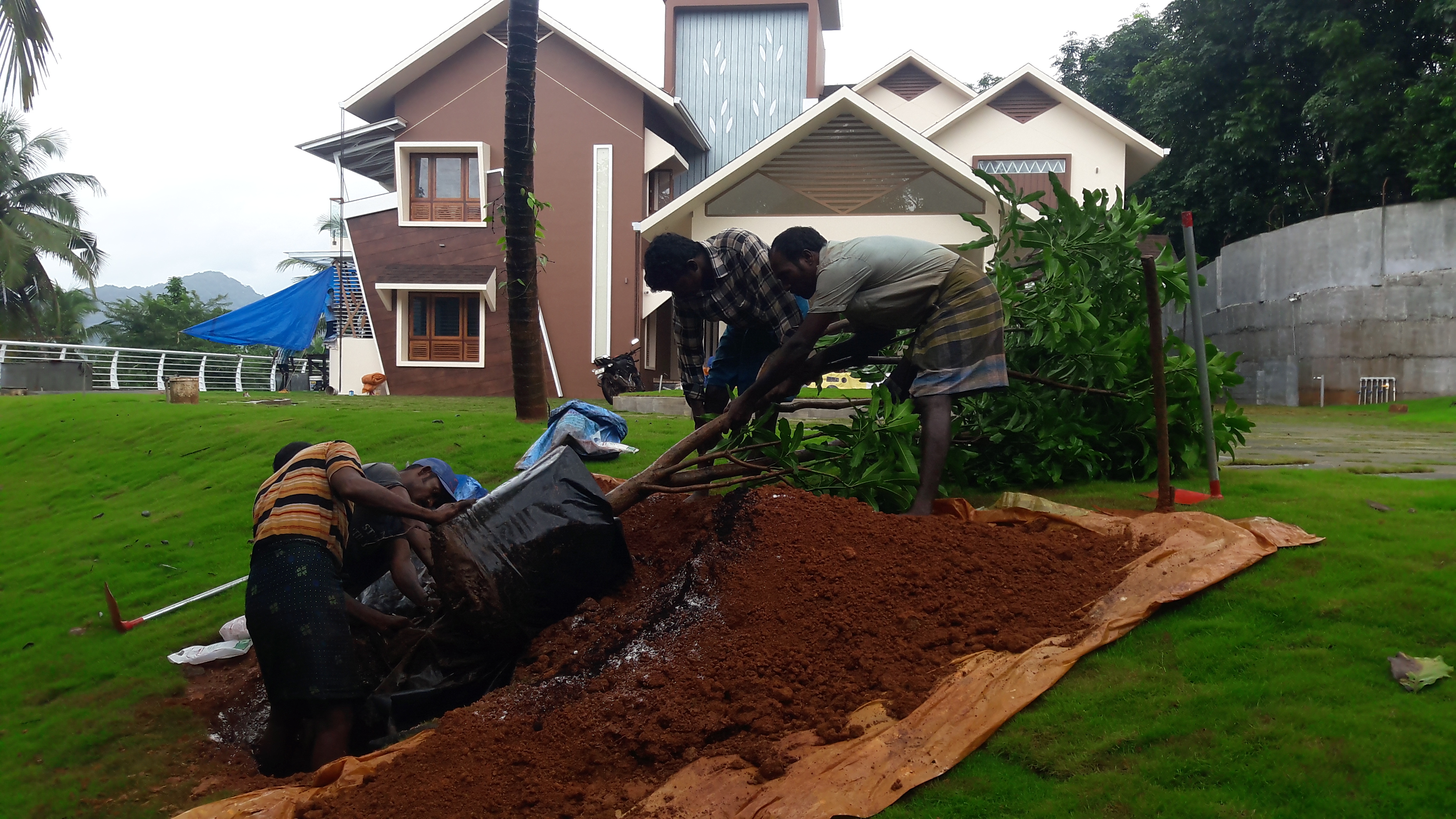
The second variety in the Italy shipment, Banana Mango, is the Thai variety Nam Dok Mai. The Daily Star reported in July 2017 that it was the most popular mango in Thailand, and that scientists at the Chapainawabganj Horticulture Centre had brought it in and planted it for the first time in 2011. The centre began selling saplings to growers in 2013 and had sold more than 4,000 of them at Tk 60 each by 2017.
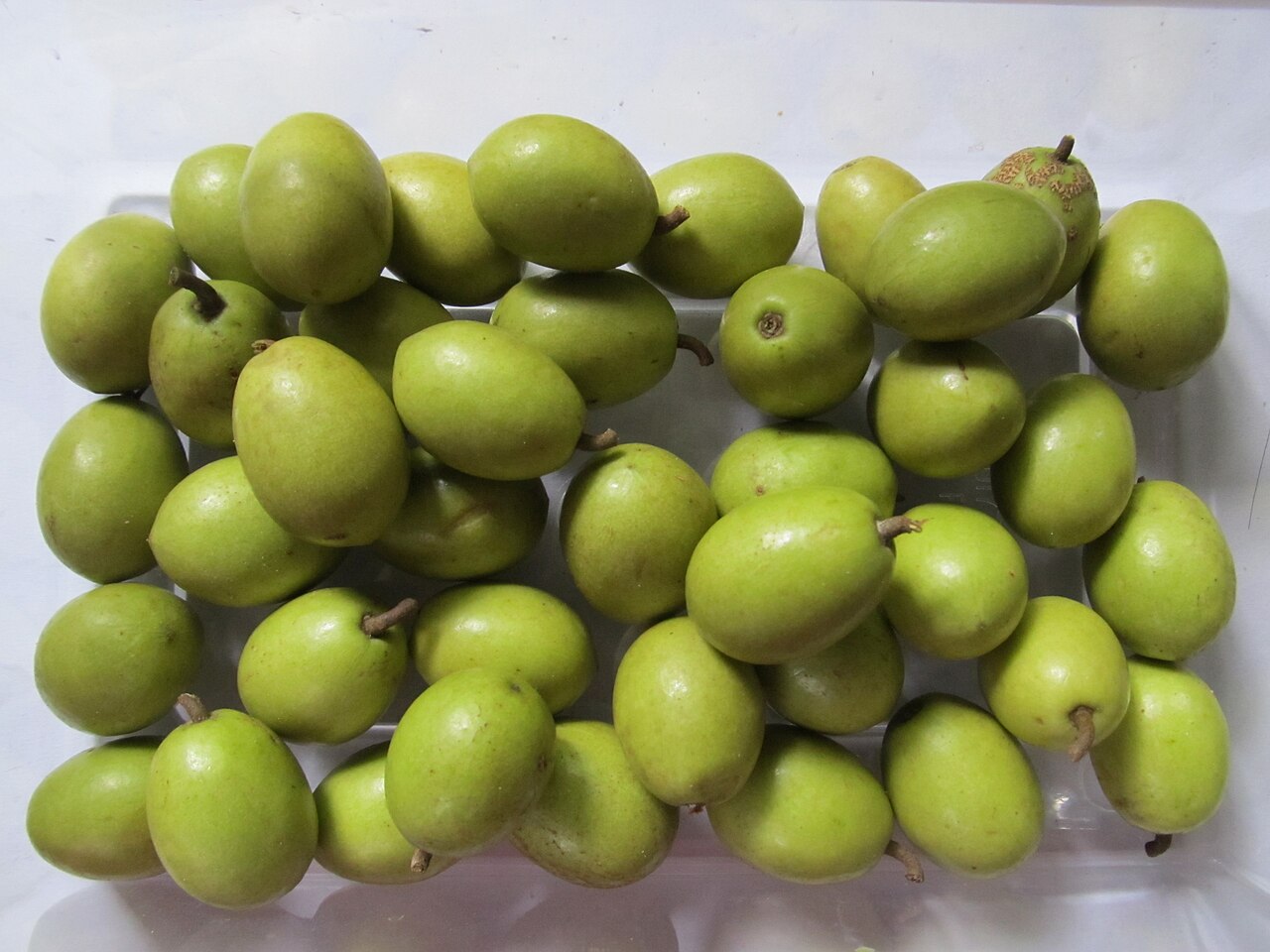
Bangladeshi growers called it the Banana Mango for its banana-like shape. The 2017 report described fruit 9 to 11 inches long, weighing 350 to 450 grams, which turns golden yellow when ripe, with a very sweet taste, a pleasant aroma and very little fibre, and a flat seed that leaves more flesh. It described the variety as a midseason mango ripening in July. A businessman in Bulonpur, in Sadar upazila, had planted about 350 trees and another grower in Amnura had an orchard on three bighas, and the centre's deputy director, Dr Saifur Rahman, said then that he expected the variety to be exported to many countries.
Bangladesh's mango exports before the 2026 season
Bangladesh produces 2.4 to 2.5 million tonnes of mangoes a year for a domestic market worth Tk 13,000 to 14,000 crore, and commercial cultivation covers 23 districts with 72 varieties, The Daily Star reported on 23 September 2025, citing DAE data. Exports run from late May to late September.
The same report gave the DAE export figures for recent seasons: 3,100 tonnes in 2023, 1,321 tonnes in 2024 and 2,194 tonnes in 2025, when the season closed in September. The 2025 shipments went to 26 countries, the largest volumes being:
- United Kingdom: 686 tonnes
- Saudi Arabia: more than 356 tonnes
- Italy: more than 264 tonnes
- Kuwait: more than 167 tonnes
- Qatar: 163 tonnes
- China: 5 tonnes, a new destination
Mohammad Arifur Rahman, director of the DAE's exportable mango production project, credited the recovery to better quality and quantity. Mohammad Mansur, general secretary of the Bangladesh Fruits, Vegetables and Allied Products Exporters Association, said freight costs had risen two to three times above normal the year before and pointed to the lack of vapour heat treatment facilities. Sorof Uddin, then principal scientific officer at the Regional Horticulture Research Station in Chapainawabganj, said Bangladesh had not built the infrastructure or policies needed to raise exports, put current capacity at about 4,000 tonnes and said going beyond 8,000 tonnes would be difficult even with coordinated effort. Citing the OECD, the paper said global fresh mango exports were 2.1 to 2.2 million tonnes in 2024, of which Bangladesh's share was 0.1 percent.
The 2025 season had opened on 29 May 2025, FreshPlaza reported, with 13 tonnes sent to the United States, Germany, Saudi Arabia, Qatar and Bahrain at a ceremony at the Bangladesh Agricultural Research Council.
The exportable mango project and the Rajshahi region
The Ministry of Agriculture's Exportable Mango Production Project runs from 2022 to 2027 at a cost of Tk 47 crore in 46 upazilas of 15 districts, UNB reported in May 2023, when the agriculture secretary opened that year's exports at the central packing house in Shyampur, Dhaka. Bangladesh had exported 1,757 tonnes the year before, and the 2023 target was 4,000 tonnes.
Two years later, on 30 June 2025, The Daily Observer reported Rajshahi regional DAE data showing that of 4,648 tonnes of export-designated mangoes produced over three seasons, 1,027.88 tonnes had been exported. For 2025 the region's export-grade production was put at 6,720 tonnes, of which 6,000 tonnes were in Chapainawabganj, and by late June 17 tonnes had been exported from Chapainawabganj and 4.8 tonnes from Naogaon.
The Rajshahi regional figures for the three earlier seasons were:
- 2021-22: 550 tonnes of export-designated mangoes produced, 222.88 tonnes exported
- 2022-23: 2,528 tonnes produced, 606 tonnes exported
- 2023-24: 1,570 tonnes produced, 199 tonnes exported
In the same report the project director, Arifur Rahman, said about 70 percent of the country's mango exports came from the Rajshahi region, that the 2025 target was 5,000 tonnes, and that around 10 percent of mangoes spoiled on the road from Rajshahi to Dhaka, with high cargo rates and limited air freight space among the main problems. Anwarul Haque, president of Raj Chapai Agro Food Producers, said he had urged the government for more than a decade to set up a packing house in Rajshahi, adding that "it is unrealistic to expect large-scale mango exports through a single packaging facility located in Shyampur, Dhaka."
Hafizur Rahman Khan, owner of an agro-products export firm, told the paper that weak packaging, grading and cold storage and limited air cargo services were slowing progress, that export agreements carried no guarantees, and that high cargo charges and poor port infrastructure were further barriers. The paper reported that local super shops had become a last resort for growers left with unsold export-grade fruit.
What an export consignment must clear
Every consignment of fresh fruit leaving Bangladesh falls under the Plant Quarantine Act 2011 (Act No. V of 2011). The Act makes the Director of the Plant Protection Wing of the DAE the National Plant Quarantine Authority until an independent authority is set up, and gives that authority the duty to regulate exports of plants and plant products according to the phytosanitary requirements of the importing country and to arrange phytosanitary certificates accordingly. The country's contact point with the International Plant Protection Convention is the DAE's Plant Quarantine Wing at Khamarbari, Dhaka.
Section 17 of the Act requires that each consignment submitted for export be examined by a plant quarantine officer in line with the importing country's requirements, and that the officer issue a phytosanitary certificate if the consignment is fit. Section 18 bars any exporter from exporting a plant or plant product without a phytosanitary certificate issued by the Authority.
The Act exists to keep pests from spreading through the trade in plants and plant products. Banglapedia records about three dozen insect pests that attack mango in Bangladesh, among them mango hoppers, the mango fruit weevil, the mango stem borer, the mango shoot borer and the mango fruit fly (Dacus dorsalis), along with diseases including anthracnose, sooty mould, leaf blight, dieback, powdery mildew and bacterial leaf spot.
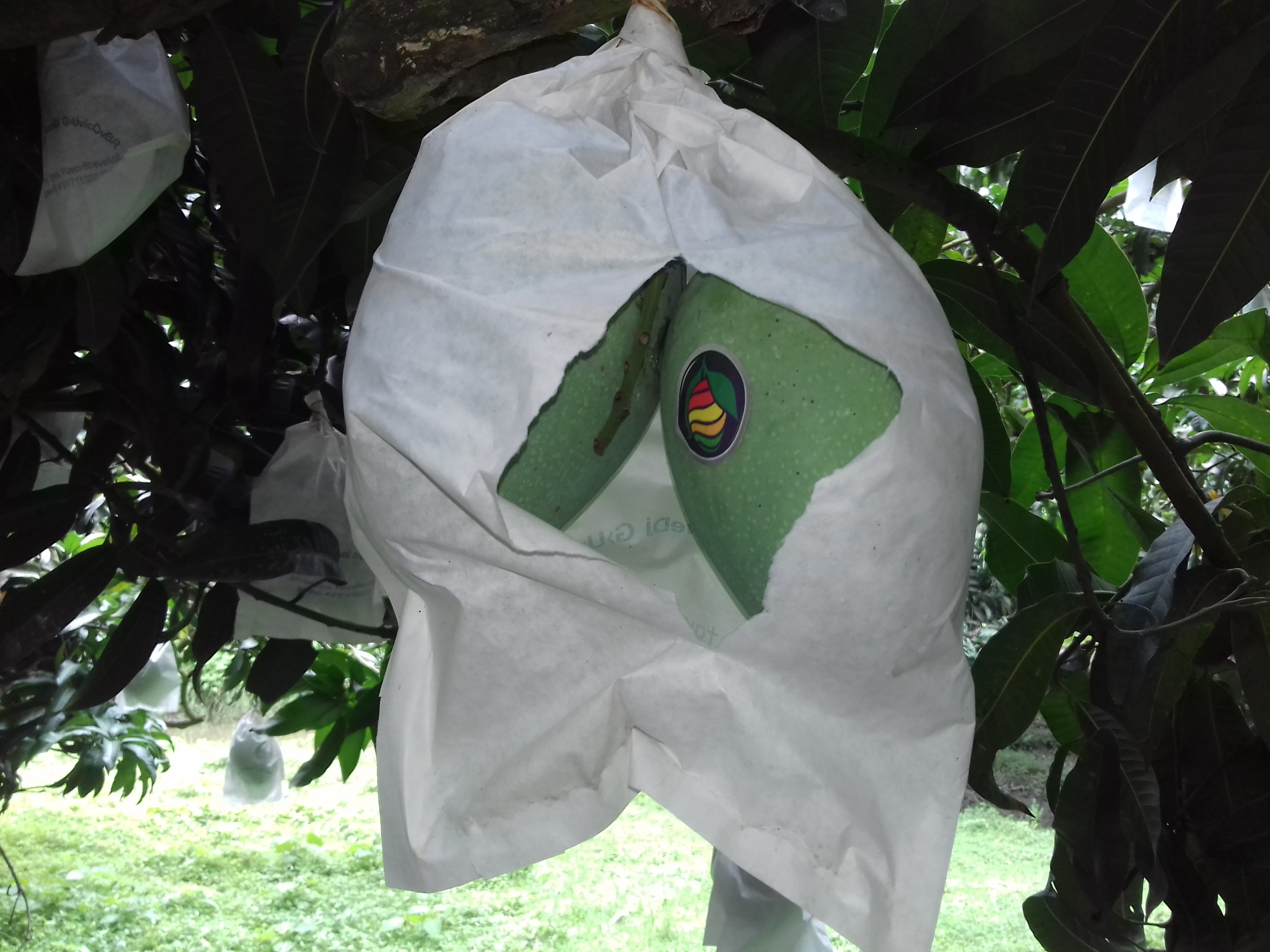
At orchard level, growers in the mango districts have relied on fruit bags. The Daily Star Bangla reported in July 2022 that the practice had started in 2016 with about 60,000 bags and that about 12 crore bags were used in 2022, about 10 crore of them in Chapainawabganj. The bags protect fruit from insects, storms, heavy rain and hail, at a cost of Tk 4 a bag plus Tk 1 in labour, and the report said better-quality bagged mangoes sold for about Tk 3,200 a maund against Tk 1,800 for ordinary fruit. Dr Sorof Uddin told the paper that with bags, growers can be sure of getting their mangoes to market without unexpected trouble in transport.
Good Agricultural Practices (GAP) were the other part of the push. In July 2020 The Business Standard reported that the Ministry of Agriculture had drafted a Bangladesh GAP guideline under which farmers and exporters would need certification to export, with every stage from farm to market following GAP rules, yearly renewal, laboratory testing and a 13-digit Bangladesh GAP number. The agriculture secretary at the time, Md Nasiruzzaman, told the paper that GAP was being made mandatory because of doubts over product quality.
Photo: Shamim Ahammed sumon / Wikimedia Commons (CC BY-SA 4.0)
Sources: Jagonews24, BSS, Bangladesh Pratidin, The Daily Star, The Daily Star Bangla, FreshPlaza, The Daily Observer, UNB via Dhaka Tribune, The Business Standard, Plant Quarantine Act 2011 (IPPC), Banglapedia
Comments
(0)