
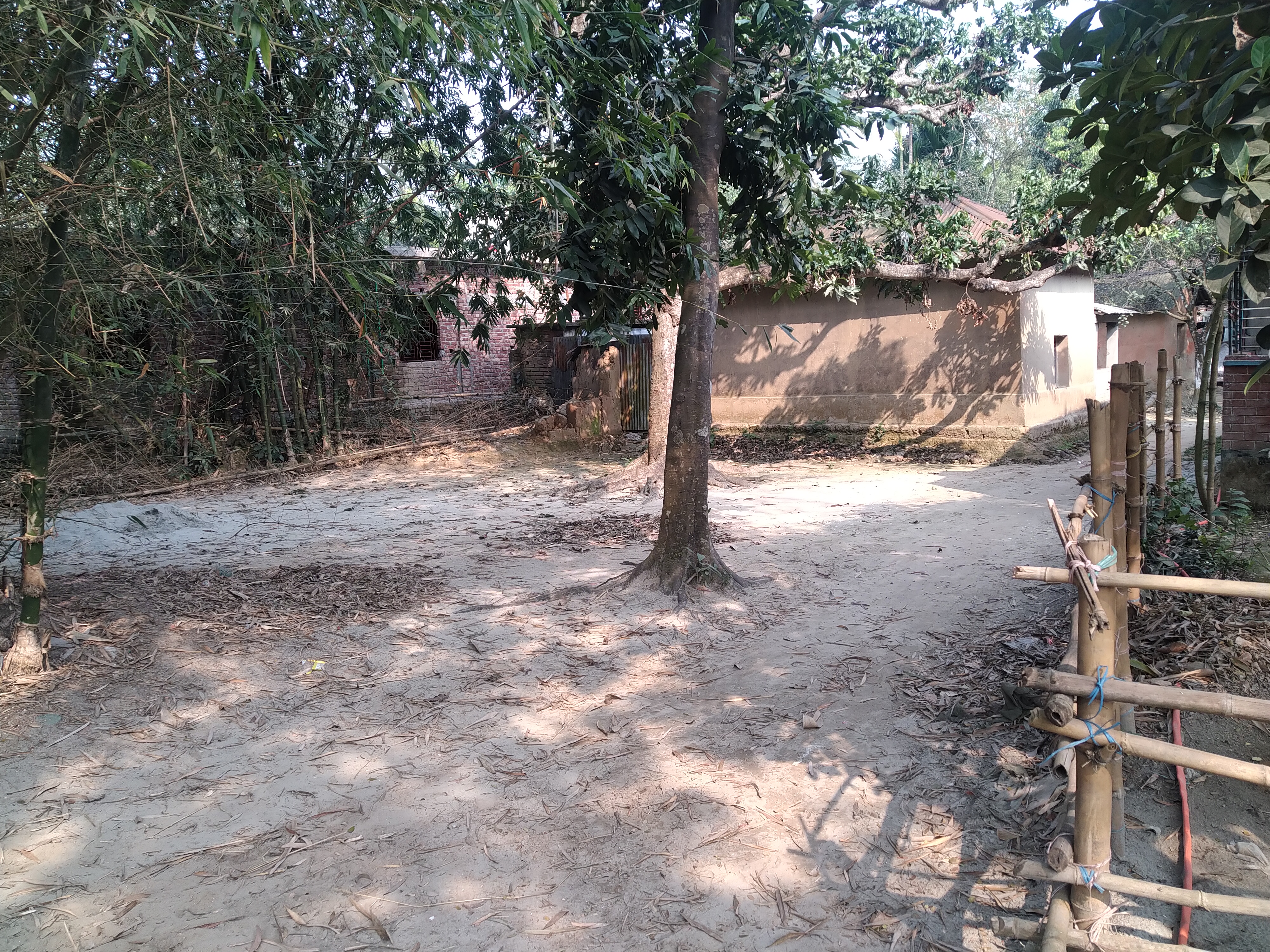
A woman died after a snake bit her inside her home on the evening of Sunday 17 March 2024. Alladi Begum, 35, was from Pordaniya Kandi village in Dakshin Tarabunia union, under Sakhipur police station in Shariatpur district, which borders Chandpur. She was taken to Chandpur General Hospital, where a doctor declared her dead. The Bengali news site Jagonews24 reported the death through its Chandpur district correspondent on the morning of Monday 18 March 2024.
This account keeps to what that report said and adds background from sources published up to that date: the area where she lived and the hospital where she was taken, the jute sticks she was taking down, the venomous snakes that live in and around houses in Bangladesh, how many people snakes bite and kill in the country, antivenom, and the first aid and household precautions the World Health Organization (WHO) recommends.
What happened after iftar
A close relative, Mohin Uddin Hawlader, told Jagonews24 that she was bitten after iftar, the meal that breaks the daily Ramadan fast, as she was taking down jute sticks from the loft of the family home. She was then taken to hospital, where a doctor declared her dead. She was the wife of Golam Hossain, and the relative said she left her husband and a daughter.
Dr Biplob Sarkar of the hospital told the paper that she had died before she reached the hospital.
The report did not say what kind of snake bit her, on which part of the body she was bitten, whether any first aid or traditional treatment was tried, or how long it took to get her to hospital. Nothing on those points is added here. In particular, none of the background below on kraits, cobras and other snakes should be read as saying which snake it was: it describes the snakes of Bangladesh in general, as the sources describe them.
Dakshin Tarabunia, Bhedarganj and Shariatpur
Shariatpur district was formed on 1 March 1984. According to Banglapedia, the national encyclopedia of Bangladesh, it covers 1,174.05 square kilometres and is bounded by Munshiganj district to the north, Barisal to the south, Chandpur to the east and Madaripur to the west. Its main rivers are the Padma, the Meghna, the Palong and the Jayanti. The district has six upazilas, Gosairhat, Zanjira, Damudya, Naria, Bhedarganj and Shariatpur Sadar, of which Bhedarganj is the largest. At the 2011 census Shariatpur had 1,155,824 people, and agriculture was the main source of income for 61.66 per cent of them, followed by commerce at 14.34 per cent.
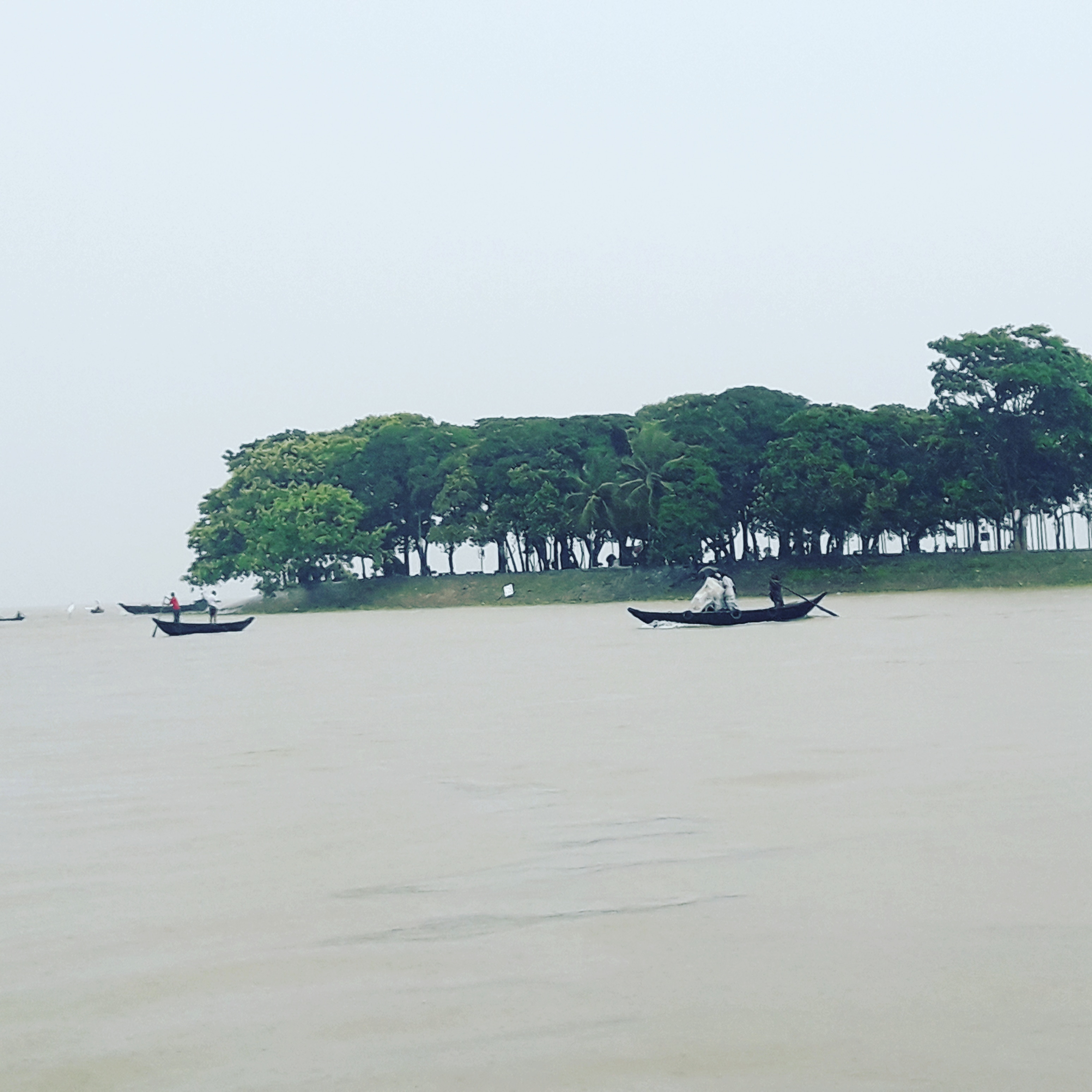
Banglapedia lists Dakshin Tarabunia (which it spells Dhakhin Tarabunia) among the 13 unions of Bhedarganj upazila, along with Sakhipur, Tarabunia, Kachikata, Char Bhaga, Char Census, Char Kumaria and others. Bhedarganj covers 261.90 square kilometres. To its north lie Munshiganj Sadar, Naria and Matlab Uttar upazilas; to its south Damudya and Gosairhat; to its east Chandpur Sadar upazila and the Meghna river; and to its west Naria and Shariatpur Sadar. Its main rivers are the Padma and the Meghna. Bhedarganj thana became an upazila in 1983, and Bhedarganj municipality was formed in 1997.
Bhedarganj is more dependent on farming than the district as a whole. Banglapedia's census figures give agriculture as the main source of income for 67.98 per cent of the upazila, with commerce at 11.64 per cent and service at 5.61 per cent. In 2011 the upazila had 253,234 people, 121,494 men and 131,740 women. Its main crops are paddy, jute, mustard, wheat, sugarcane, onion and vegetables. For health care the encyclopedia lists one upazila health complex, ten union health and family planning centres, 20 clinics and one diagnostic centre.
The Jagonews24 report named Sakhipur police station as the woman's thana, which is how it located her village. It did not say how far the village was from Chandpur town or how she was taken there, and that is not added here.
Chandpur and its district hospital
Chandpur district lies in Chittagong Division. Banglapedia gives its area as 1,645.32 square kilometres, with Munshiganj and Comilla districts to the north, Noakhali, Lakshmipur and Barisal to the south, Comilla to the east, and the Meghna river, Shariatpur and Munshiganj to the west. Its rivers include the Meghna, the Dakatia, the Gumti and the Dhanagada. Chandpur sub-division was established in 1878 as part of Tripura district and became a district in 1984. It has eight upazilas: Kachua, Chandpur Sadar, Faridganj, Matlab Uttar, Matlab Dakshin, Shahrasti, Haimchar and Hajiganj. At the 2011 census it had 2,416,018 people, at 1,468 per square kilometre, and agriculture was the main source of income for 44.42 per cent of them.
The Financial Express described the state of the district's 250-bed government hospital at the district headquarters in July 2023. It called it the biggest hospital in the district and reported that about 400 people, babies included, were admitted every day. It had 67 posts for doctors, of which 50 were filled, and the paper reported an acute shortage of beds and staff nurses. Chandpur Government Medical College had been set up on the third floor of the hospital building, which the superintendent said was a three-storey building from the Pakistan period that could not be extended upwards.
According to the same report, patients came to the hospital from the rural and char areas of Chandpur Sadar, Haimchar, Matlab Uttar, Hajiganj and Faridganj upazilas, and from adjoining areas including Shariatpur Sadar and the Raipur and Ramganj upazilas of Lakshmipur district.
Jute sticks: what is left after the fibre
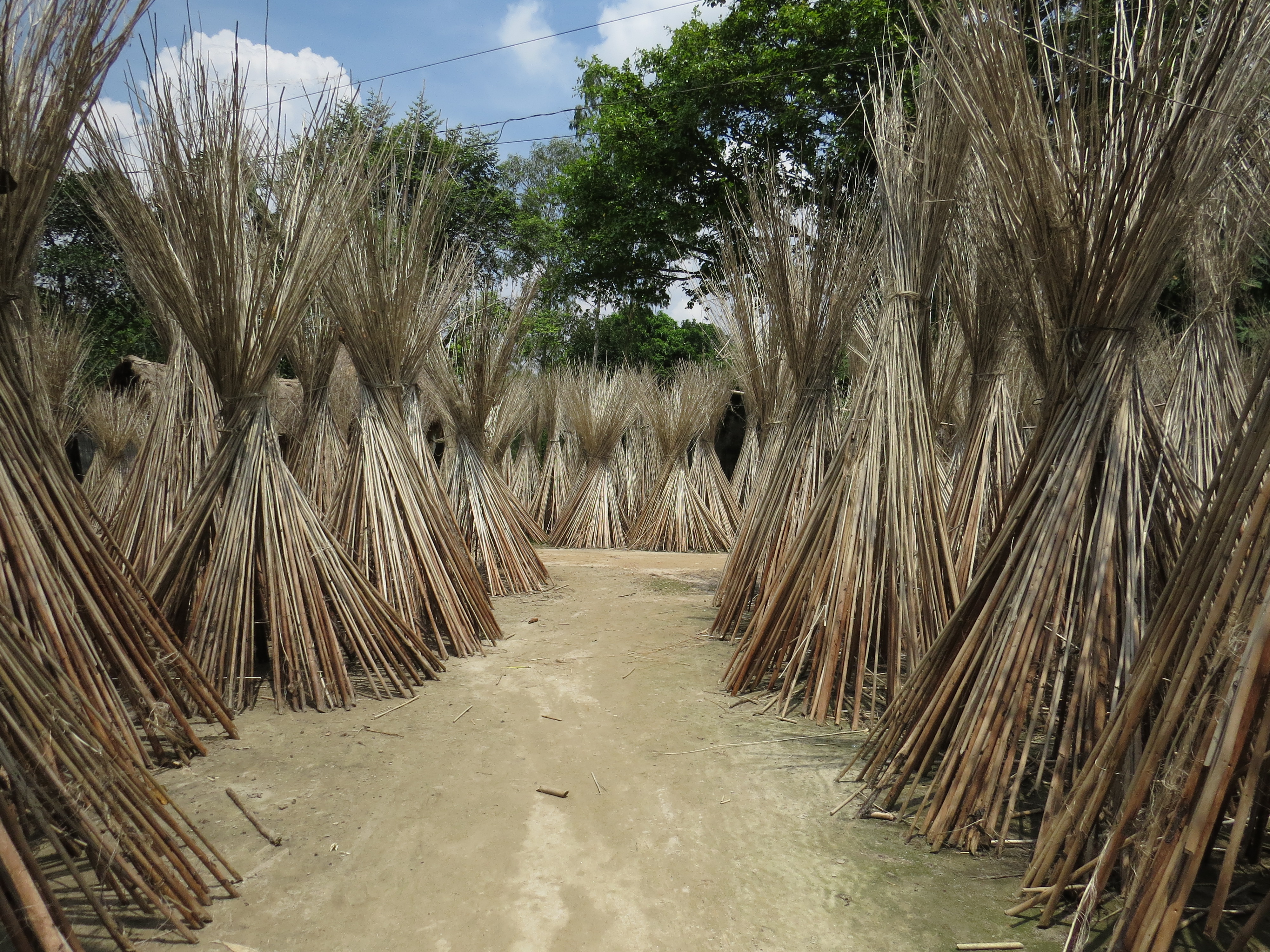
The jute sticks the woman was taking down are the woody stalks of the jute plant that remain once the fibre has been stripped. Banglapedia says two species produce commercial jute fibre: white jute (Corchorus capsularis) and tossa jute (Corchorus olitorius). The fibre comes from the bast layer of the stem. In Bangladesh sowing usually begins at the end of February and continues to the end of May, depending on the species, and the crop is ready four to five months after sowing, when it is harvested at the flowering stage.
After harvest the plants are tied in bundles and soaked in water, a process called retting; the encyclopedia says clear, slow-flowing water is best for it. Retting takes 12 to 15 days, after which the fibre is separated from the stalk by hand, washed and dried in the sun. The stalks left behind are dried and kept, and jute is one of the main crops Banglapedia lists for Bhedarganj.
The quantity is large. In November 2016 The Daily Star, citing the Department of Jute, reported that nearly 30 lakh (three million) tonnes of jute sticks were produced in the country every year. Usually, the paper wrote, they end up as fuel for earthen stoves or as fences for betel leaf plantations, and a large portion is used as firewood and for making fences in rural areas. The same report described a newer use: a factory in Pabna burned dried sticks in special furnaces and crushed the result into a powder known as jute stick carbon, and said each tonne of sticks cost it Tk 4,000 to 5,000. According to the company's officials there were 25 such factories in the country, and according to industry insiders Bangladesh earned Tk 140 million from jute stick carbon exports to China in the 2015-16 financial year.
WHO's guidelines for South-East Asia, published in 2016, list among the places where snakes hide around a home heaps of rubbish and building materials near the house, and they call firewood collection at night a high-risk activity. They do not refer to jute sticks as such, and the Jagonews24 report did not say where in the loft or the sticks the snake had been.
Venomous snakes in and around Bangladeshi homes
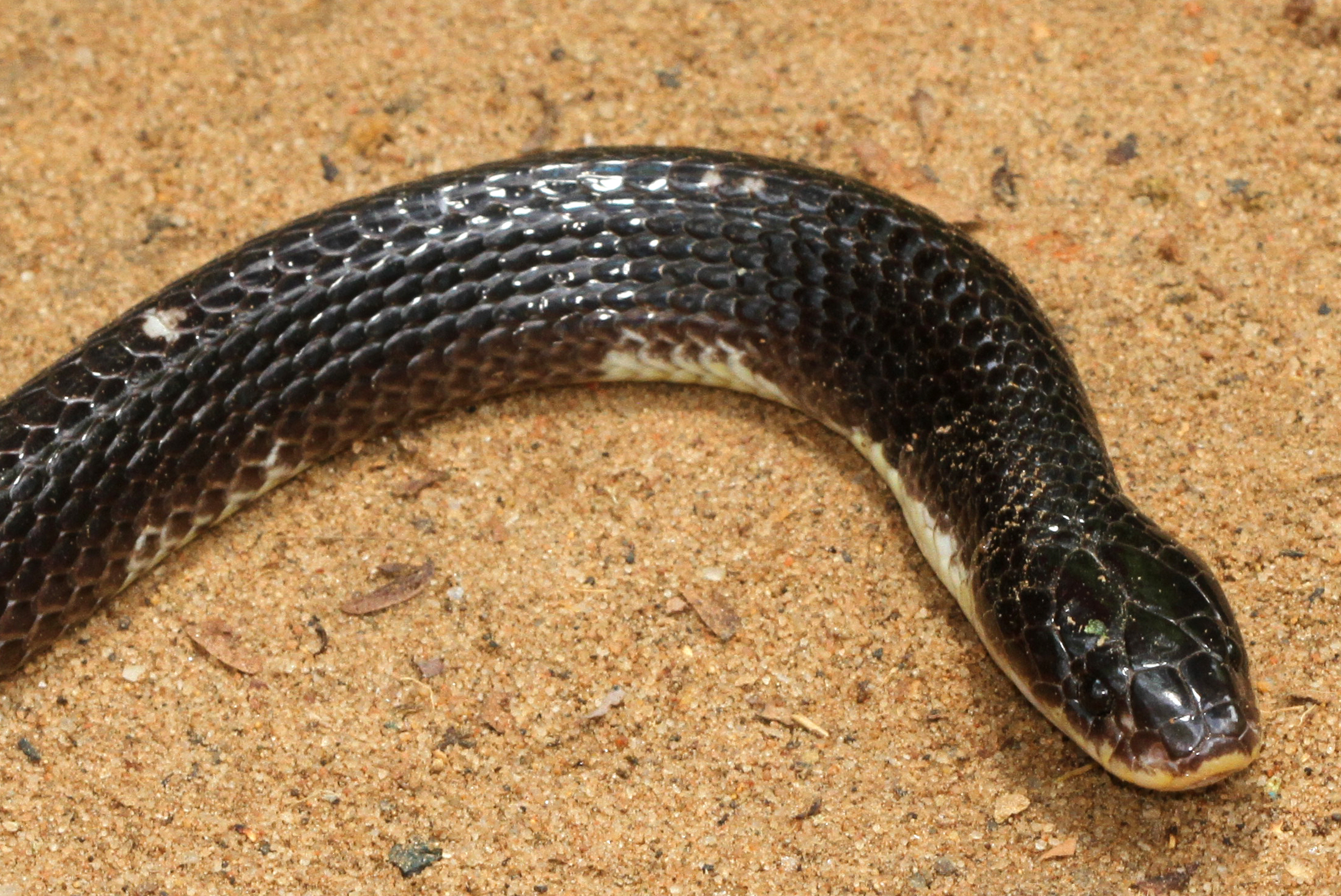
Banglapedia says Bangladesh has about 90 species of snake, though more than a dozen have not been reported in recent decades, and that more than three quarters are not venomous. The venomous ones belong to the cobra and krait family (Elapidae), the sea snakes and the vipers. Elapid venom is neurotoxic and can cause paralysis and death through respiratory failure; people bitten by vipers can die of massive bleeding. The encyclopedia notes that the gokhra (cobra) and the keutey, which it places among the kraits (genus Bungarus), live close to human habitations and are potentially dangerous, while harmless snakes that live near homes, such as the dadash, help to control rats and mice.
The national guideline for the management of snakebite, as The Business Standard reported in August 2023, puts the number of species at about 100, of which 37 are venomous: 16 sea snakes, three types of cobra, five types of krait, two types of coral snake, six types of green pit viper and one true viper, the Russell's viper.
WHO's 2016 regional guidelines rank the species of highest medical importance in Bangladesh as three kraits (the common krait Bungarus caeruleus, the greater black krait B. niger and Wall's krait B. walli), the monocled cobra (Naja kaouthia), the Russell's viper (Daboia russelii) and a green pit viper. They say kraits are responsible for many bites and deaths in the country: Wall's krait is estimated to cause about 40 per cent of krait bites, and the greater black krait and the common krait about 28 per cent each. Monocled cobras occur throughout Bangladesh and cause most cobra bites, while the spectacled cobra (Naja naja) is found around Dhaka and to the west and north of the capital.
Several of these snakes come into houses. The WHO guidelines say bites may be inflicted in the home by cobras, which may live in roof spaces or under the floor, and by kraits, which enter dwellings at night in search of prey and may bite people who move in their sleep; in South Asia almost all krait bites are inflicted on people sleeping in their homes. The authors of a national survey published in 2010 wrote that the krait is usually nocturnal, lives close to human dwellings, hides in holes, woods or homestead gardens, and at night, especially at the height of the monsoon, enters houses in search of prey such as small snakes, amphibians, rodents and geckos, which are abundant in rural homes.
The WHO guidelines also note that the bite of a venomous snake does not always deliver venom. Bites in which the fangs pierce the skin but no envenoming follows are called dry bites; their share varies by species from 5 to 80 per cent, at about 50 per cent on average.
How many people snakes bite in Bangladesh
A national community survey of snakebite in rural Bangladesh was carried out from February to June 2009 and published in PLoS Neglected Tropical Diseases in October 2010. Funded by the government and the World Bank, it covered 18,857 people in 3,993 households in 24 of the country's 64 districts. Over a year, 98 snakebites and one death were reported, an incidence of 623.4 bites per 100,000 person-years. Barisal division had the highest rate, at 2,667.7, and Sylhet the lowest, at 321.6. Extrapolating, the researchers estimated 710,159 bite episodes a year in rural Bangladesh, involving 589,919 people, and 6,041 deaths, while cautioning that the death estimate rested on a single death.
The survey showed who is bitten and where. Bites were spread almost evenly between men (52 per cent) and women (48 per cent), and housewives were the largest single group of victims, at 30 per cent, with day labourers the smallest at 8 per cent. Most bites happened in water (27 per cent) or in fields (24 per cent), but 12 per cent happened inside the home and 11 per cent on the home premises. Night accounted for 36 per cent of bites, and bites at night were more frequent at home or by the roadside. October (22 per cent) and July (15 per cent) were the peak months, with most bites in the June to October monsoon and a further rise in December at harvest time. Seventy-one per cent of bites were on the feet or lower legs and 27 per cent on the hands.
Earlier figures were lower. The WHO guidelines cite a 2003 survey of about 170,000 households in 12 districts that estimated 15,372 bites and 1,709 deaths nationally, with the risk in rural areas 10.54 times that in towns, and a 1988-89 study that recorded 764 bites and 168 deaths.
The newest national estimate before March 2024 came from the Directorate General of Health Services (DGHS). The Business Standard reported in August 2023 that the DGHS's National Centre for Disease Control had published its National Survey on Annual Incidence and Epidemiology of Snakebite in Bangladesh on 18 June 2023, based on 2021-22, and that it estimated around 4.03 lakh people were bitten every year and 7,511 died. Dhaka Tribune reported in September 2023 that the survey found 95 per cent of snakebite victims came from villages.
Worldwide, the WHO fact sheet current at the time, dated 12 September 2023, estimated that 5.4 million people are bitten by snakes each year, with 1.8 to 2.7 million cases of envenoming and around 81,410 to 137,880 deaths, and around three times as many amputations and other permanent disabilities. Agricultural workers and children are the most affected, it said, and in Asia up to two million people are envenomed each year. WHO listed snakebite envenoming as a highest-priority neglected tropical disease in June 2017, and its strategy aims to halve deaths and disability from snakebite by 2030.
Death before reaching hospital
Dr Biplob Sarkar said the woman had died before she arrived; the report does not say why, or whether anyone was consulted before the hospital. The sources describe how common it is in Bangladesh for bitten people not to reach hospital quickly. In the 2009 survey, 86 per cent of victims first went to a snake charmer or traditional healer (ozha), 6 per cent to a traditional village doctor, and only 3 per cent directly to a registered physician or hospital; 10 per cent visited a doctor or hospital later. The most common treatment was the recitation of mantras, at 60 per cent, and the researchers found harmful practices such as making cuts around the bite, applying tourniquets wrongly and sucking blood from the wound at an alarmingly high rate. In only 31 per cent of bites was the bitten part kept still. The authors called for snake charmers to be trained to stop risky practices and refer patients to health facilities, and for antivenom to be available free in public hospitals in remote rural areas.
WHO's fact sheet says that many victims never reach primary care facilities and so go unreported, and that many opt for traditional practices rather than hospital care. Its 2016 guidelines say the greatest fear is that a victim might develop fatal paralysis of breathing or shock before reaching a place where they can be resuscitated, and that this risk can be reduced by speeding up transport to hospital, for instance through free ambulance services or village motorcycle volunteers, as in Nepal. Early symptoms listed in the guidelines include vomiting, and sleepiness, drooping eyelids and blurred or double vision may point to neurotoxic envenoming.
Antivenom in Bangladesh
WHO says that, unlike many other serious conditions, snakebite envenoming has a highly effective treatment: good-quality antivenom is the most effective way to prevent or reverse most of the effects of a venomous bite. Antivenom is on WHO's list of essential medicines and should be part of any primary health care package where snakebites occur, and WHO says most deaths and serious consequences are preventable by making safe, effective antivenom more widely available. In hospital, the 2016 guidelines describe a simple bedside test, the 20-minute whole blood clotting test, used to check whether venom has stopped the blood from clotting.
Bangladesh did not make its own antivenom. The Business Standard reported in August 2023 that the antivenom used in the country was polyvalent, for use against four types of venomous snake including kraits, cobras and the Russell's viper, and that a single pharmaceutical company imported it from India. A line director of the DGHS non-communicable disease control programme told the paper: 'We have antivenoms but these antivenoms are not our own. There is no scientific study on how effective they are against our snakes.' The paper reported that a great deal of antivenom had been distributed to government hospitals over the previous ten years and used on patients free of charge, but that it expired after five years, and that a patient who needs antivenom needs ten vials.
Dhaka Tribune reported in September 2023, citing a DGHS source, that by early 2022 a total of 41,470 doses had been distributed to 80 medical college hospitals, civil surgeon offices, district sadar hospitals and upazila health complexes, and that many had already expired. A medicine specialist at Dhaka Medical College told the paper that doctors at upazila level may avoid giving antivenom because some patients develop severe breathing problems that need intensive care not available there, so patients are referred to other hospitals.
First aid and precautions at home: what WHO advises
WHO's 2016 guidelines for South-East Asia say first aid should start immediately after the bite, and that most traditional methods, including cutting or pricking the bite site, sucking the wound, snake stones, tight bands, electric shock and herbs, chemicals or ice packs, are useless or dangerous and must not delay medical treatment. The guidelines recommend:
- Reassure the bitten person: many bites by venomous snakes are dry bites, severe envenoming usually develops slowly enough to allow time for treatment, and modern medical treatment works.
- Keep the whole body still, ideally lying in the recovery position on the left side, and keep the bitten limb still with a splint or sling, because any movement, even walking, increases the spread of venom.
- Do not interfere with the wound: no cutting, rubbing, vigorous cleaning, massage, herbs or chemicals.
- Never use a tight tourniquet; tight bands have caused many gangrenous limbs. If one has already been tied, it should be released only in hospital, once medical staff and resuscitation facilities are ready and antivenom treatment has started.
- Take the person to a dispensary or hospital as quickly as possible, but safely and comfortably, keeping the bitten limb still on the way and, if possible, in the recovery position in case of vomiting.
On the snake, the guidelines are clear: do not try to kill it, as this may be dangerous. If it has already been killed, it can be taken to the hospital with the patient to help identify it, but it must not be handled with bare hands, because even a severed head can bite, and an accidental scratch from the fang of a severed head may inject venom. Close-up mobile phone pictures can help experts identify the species.
For the home, WHO advises not keeping livestock, especially chickens, inside the house, because they attract larger snakes and rodents; storing food in rodent-proof containers; regularly checking houses for snakes; and, where possible, avoiding building features that give snakes places to hide, such as thatched roofs with open eaves, mud and straw walls with large cracks, and unsealed spaces under the floor. It advises clearing rubbish heaps and building materials from near the house, keeping grain stores away from it, sleeping on a raised bed under a well tucked-in mosquito net, and using a light at night when walking outside or visiting the latrine. The guidelines add that no chemical has been found that repels snakes without being dangerous to children and domestic animals.
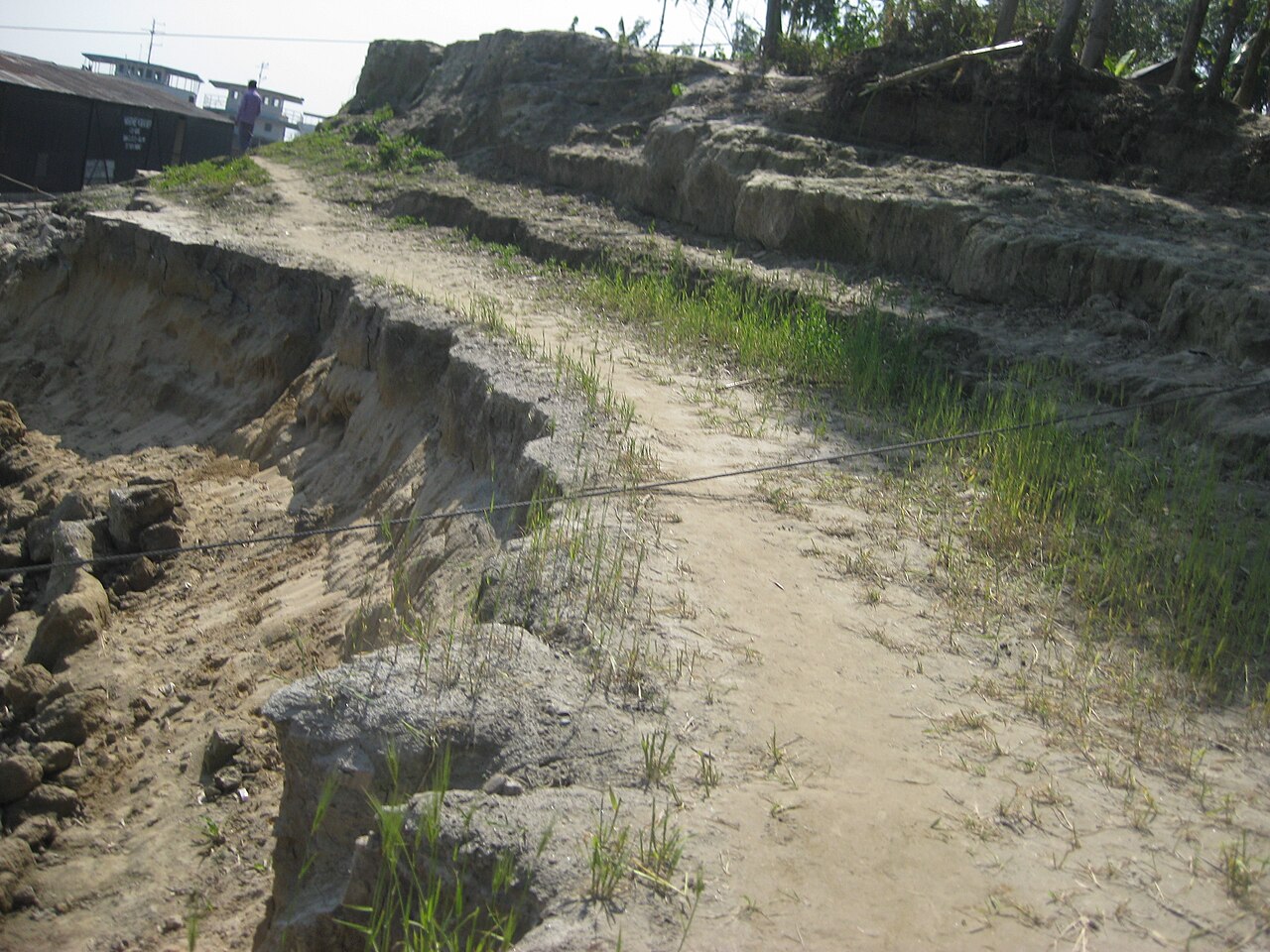
Photo: sadot arefin / Wikimedia Commons (public domain). The top picture shows jute sticks drying beside a village path in Rangpur district, Bangladesh, in August 2017, as background.
Sources: Jagonews24, World Health Organization (WHO), WHO Regional Office for South-East Asia, PLoS Neglected Tropical Diseases (2010), Banglapedia, The Business Standard, Dhaka Tribune, The Financial Express, The Daily Star
Comments
(0)