
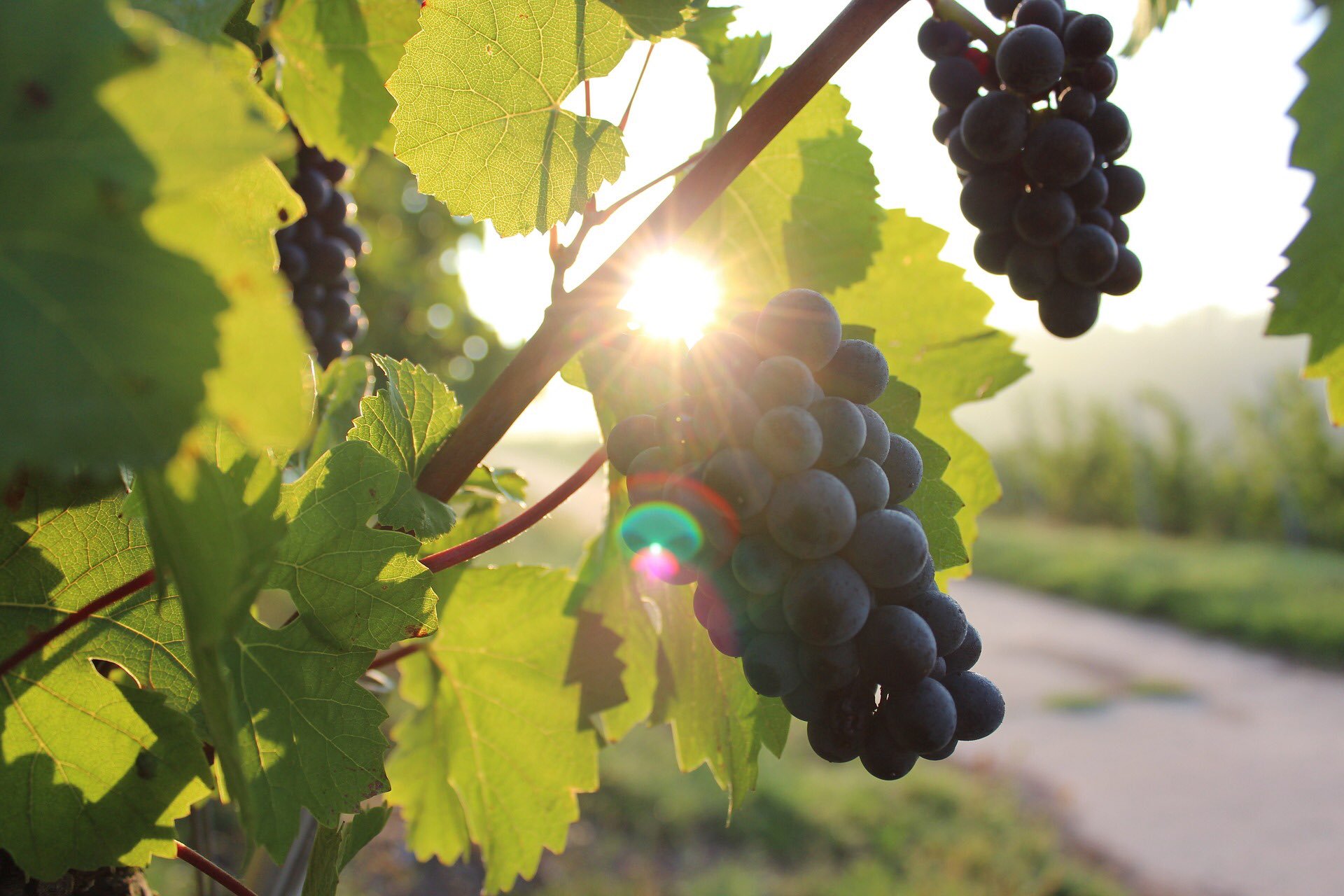
In April 2026 a young entrepreneur in Chandpur, Kamruzzaman Pradhania, was harvesting grapes from a commercial vineyard that had started as a hobby on a rooftop. His garden, Pradhania Agro, lies at Kalibhangti on the Chandpur-Matlab Pennai road in Chandpur Sadar upazila. When Jagonews24 reported his story on 18 April 2026, rows of vines on bamboo trellises were hanging with bunches of green grapes, and he said his collection held about 85 grape varieties from 18 countries. Visitors were coming every day from Chandpur and neighbouring districts, some out of curiosity, some to learn and some planning gardens of their own.
Growing grapes in Chandpur had long been seen as a fantasy. Whether the fruit could succeed in the country's climate was an open question, and Kamruzzaman said many people had told him grapes would not grow in Bangladesh and were possible only abroad. He said he took those remarks as a reason to keep going rather than to stop.
From a rooftop hobby to three plots
Kamruzzaman described how it began. "During Covid, in my spare time, I started growing grapes as a hobby. I began with a rooftop garden. When I saw it was doing well on the roof, I thought, why not grow grapes in the field? Then in 2024 I planted my first garden, and in 2025 I took two more plots and started growing grapes commercially," he said.
The pandemic years he refers to began in Bangladesh on 8 March 2020, when the first three coronavirus cases were confirmed. A nationwide "general holiday" took effect on 26 March 2020 and was extended several times until it officially ended on 30 May 2020. The government announced a further national lockdown on 5 April 2021, and another began on 1 July 2021.
His first field planting was an experiment on just 20 decimals of land. A decimal, a land unit used in Bangladesh and India, is one hundredth of an acre, or about 40.47 square metres. At first the weather, the soil and the care of the vines were all challenges. According to the Jagonews24 report, patience, hard work and continual trial and error gradually brought results. Adapting improved saplings brought from abroad to his own land was also hard, but he did not give up.
The small venture grew. By April 2026 grapes were being grown on two further project sites besides the first garden, and his collection, as he described it, held about 85 varieties from 18 countries, an unusual range for a single grower in Bangladesh.
The vineyard and its district
Visitors entering Pradhania Agro found a scene more familiar from foreign vineyards: long rows of vines trained over bamboo frames, with green bunches hanging below the leaves. The garden sits on the road that links Chandpur town with Matlab, in Chandpur Sadar upazila.
Chandpur Sadar is the district's headquarters upazila. It covers 308.77 square kilometres and is divided into Chandpur municipality and 14 union parishads, with 107 mauzas and 112 villages. The 2022 census counted 534,599 people there, up from 465,919 in 2011. The two Matlab upazilas, Matlab Uttar and Matlab Dakshin, cover 260.29 and 129.32 square kilometres.
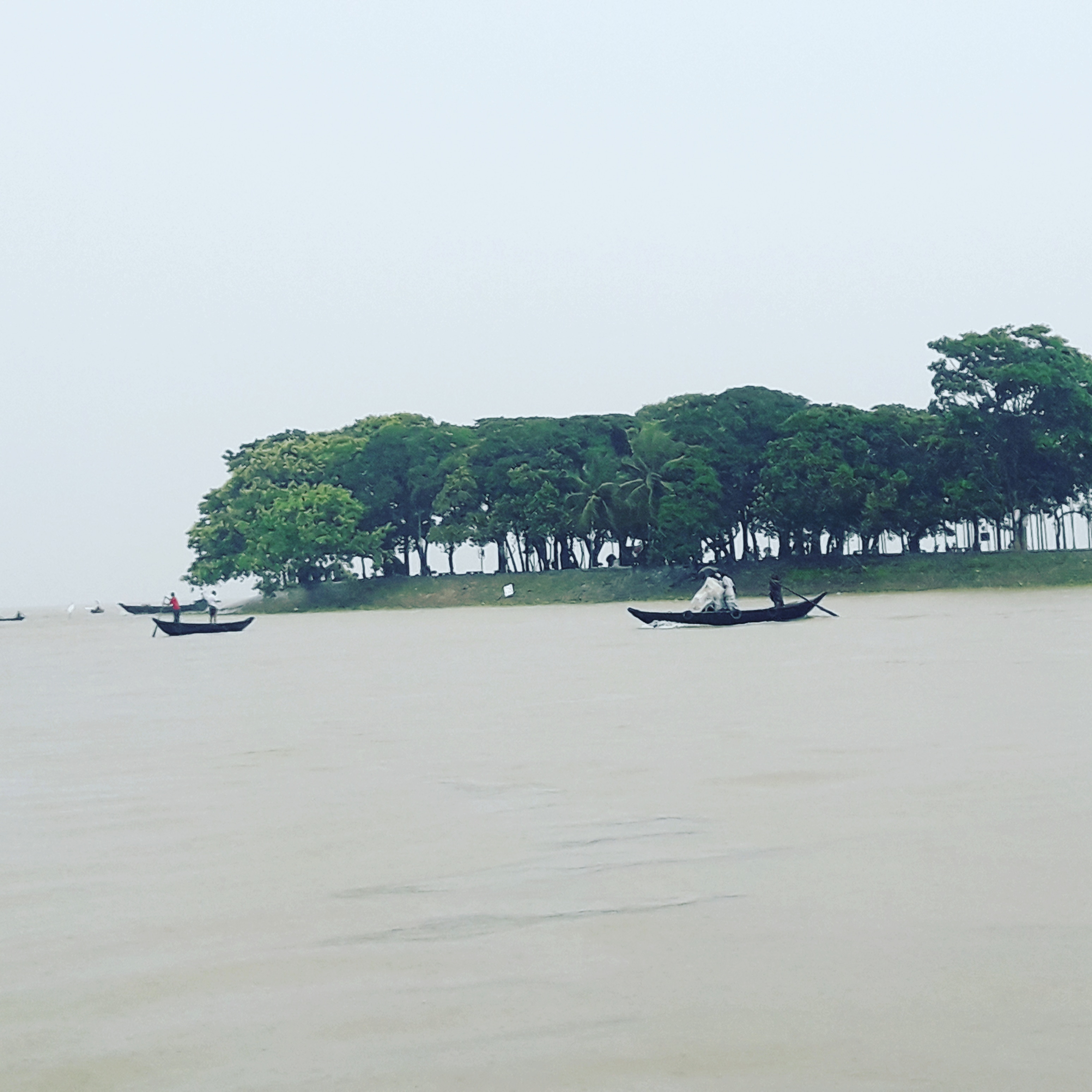
Chandpur district, in Chattogram division, covers 1,645.32 square kilometres and has eight upazilas, 87 unions and 1,230 villages. Its main rivers are the Meghna, the Dakatia, the Gumti and the Dhanagoda, and the Meghna forms part of its western boundary. The town stands where the Padma, the Meghna and the Dakatia meet, and most of the district is a flat plain built from the Meghna's alluvium. Chandpur became a subdivision of the old Tripura district in 1878 and was raised to a district in 1984. The 2022 census counted 2,635,748 people in the district.
The district is best known for fish. Chandpur is known as the "Home of Hilsa", the largest hub for the fish in Bangladesh, and its port is a main distribution point for the fish. Farming is still central to household livelihoods: Banglapedia's district profile lists agriculture as the main source of income for 44.42 per cent of households, ahead of trade at 16.17 per cent and service at 13.24 per cent. In a district known for its rivers and its hilsa, a vineyard was something new for local people.
Harvest, prices and saplings
Good yields allowed Kamruzzaman to start selling. According to the report, his grapes were meeting local demand and also going to other parts of the country. All of the figures that follow are his own account and his estimates for the 2026 season.
He said 70 to 80 kilograms of grapes had been sold from the first project in 2025. In 2026 the vines had fruited very well, so he expected to sell about 400 kilograms commercially from that garden, and another 200 to 300 kilograms from the other two. "Altogether we will be able to market about 20 maunds of grapes this year," he said. In Bangladesh one maund is 40 kilograms.
"Last year we sold at Tk 400 a kilogram from the vine, and we will do the same this year. We will be able to sell Tk 2 to 3 lakh worth of grapes this year," he said.
Saplings are the second part of the business. Kamruzzaman said many people had started growing grapes with plants from his garden. "We want to spread grape farming across the country. We raise saplings from the garden and sell them in different parts of the country," he said.
His plans, he said, were to expand the projects every year, to start working with other fruits besides grapes, and above all to increase the number of commercial gardens.
He also had a message for young people without work. New entrepreneurs could take saplings from him to grow grapes as a hobby or commercially, he said. "Rather than staying unemployed, do something. If needed, you can take advice from me and start growing grapes. Everyone should pay attention to modern farming."
Insects, rain and the polythene cover
Kamruzzaman warned that anyone starting with grapes must first learn about the crop's diseases and how it bears fruit. In his experience the leaves of sweet varieties suffer more insect attacks, so the vines need regular care, and spraying against the pests keeps them fairly safe. The report gives no product or dose; growers should ask the upazila agriculture office which treatment to use and how much.
The biggest problem, he said, is the weather. Natural disasters damage the yield, and heavy rain can rot young plants or spoil the grapes. To protect against this, he said, the vines must be covered with polythene.
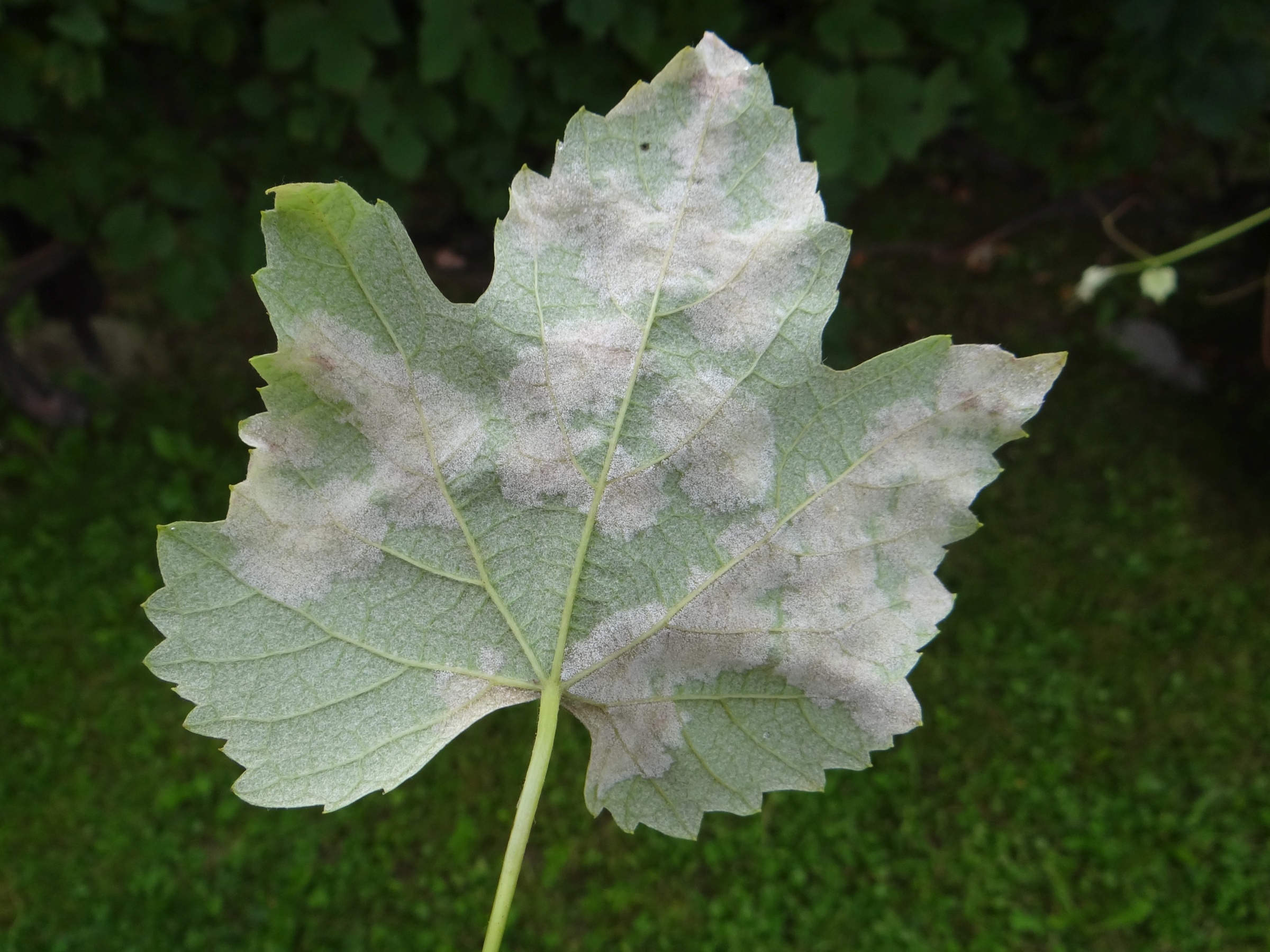
Rain matters so much because of the diseases it spreads. The most damaging disease of grapevines in warm, humid summers is downy mildew, caused by Plasmopara viticola, a water mould rather than a true fungus. It was first recorded in 1834 in the south-eastern United States and later spread to Europe. It shows first as yellow, oily-looking spots on the leaves; after a warm, humid night a white downy growth appears on the undersides, and shoots, berries and bunch stalks can be attacked too. Rain splashes the spores up into the canopy, and plant pathologists use a "10:10:24" rule of thumb for the first infection: at least 10 millimetres of rain or irrigation with temperatures of 10 degrees Celsius or more over 24 hours.
Growers fight the disease with good site choice and drainage, by keeping tools and boots clean so that infected material is not carried between plots, and by thinning the canopy so that air moves and leaves dry. Chemical control has a long history: in 1882 the French scientist Pierre-Marie-Alexis Millardet noticed that vines sprayed with copper sulphate and lime stayed healthy, and the mixture he published in 1885 became known as Bordeaux mixture. Copper is still used, although overuse can harm life in the soil and groundwater. A second disease, powdery mildew, caused by Erysiphe necator, can infect any green part of the vine.
Covering vines is something other Bangladeshi growers had also asked for. In May 2025 the Bhaluka upazila agriculture officer in Mymensingh, Nusrat Zaman, said a young grower there could expand his vineyard if a polynet house could be provided with government support. That grower, Sumon Mia, said at the time that his vineyard needed only fungicide and no other chemicals.
Visitors and what the agriculture office said
Nazmul Islam was one of the visitors. He came after seeing videos of the vineyard online. "What I saw of the grapes in the video is even more wonderful in reality. I am charmed. I had never seen such a lovely garden in person, and I picked and ate grapes. I am inspired and have decided to make a rooftop grape garden. I will come here a few more times and start growing with his advice," he said.
Abu Taher, deputy director of the Department of Agricultural Extension (DAE) in Chandpur, urged caution. "Not everyone can succeed in growing grapes like Kamruzzaman. Many people are interested in growing grapes, but that interest fades for various reasons. Those interested must first learn about grape varieties and the rules of getting a yield. If anyone new who wants to grow grapes comes to us, we will certainly give advice," he said.
The DAE is the government department responsible for agricultural extension in Bangladesh. It works under the Ministry of Agriculture, has its headquarters in Dhaka, and was formed in 1982 by merging several earlier bodies, among them the Horticulture Board and the Jute Directorate. It ran Training and Visit programmes for farmers until 1990, then moved to group training, and plans its work under the New Agricultural Extension Policy adopted in 1996. Its offices at district and upazila level are where farmers go for advice on new crops such as grapes.
DAE officers elsewhere had given similar practical guidance shortly before. In a Prothom Alo report of 10 April 2026 from Gazipur, the Gazipur Sadar upazila agriculture officer, Hasibul Hasan, said loam and red soils, gravelly soil rich in organic manure, or the alluvial soils of hilly areas suit grapes best. The land must be high so that water does not stand, he said, and a place that gets plenty of sunlight is ideal for growing grapes.
In Mymensingh, the DAE deputy director Nasrin Akter Banu said in May 2025 that the district had no example of commercial grape growing and that many people believed grapes grown in its soil would be sour; a local grower's sweet harvest, she said, had shown that belief to be wrong. In Sherpur's Sreebardi upazila, the agriculture officer Sabrina Afrin said in June 2025 that her office would give full support to a young grower planning to expand.
Grapes elsewhere in Bangladesh before this harvest
Grapes have long been an unusual crop in Bangladesh. Banglapedia's entry on fruit notes that the cultivation of temperate fruits in the country has been unsuccessful, except for grapes in some places, and lists the grape among the common imported fruits, with orange, apple, pomegranate, date and mandarin. The country grows nine major and 48 minor fruits, and about 54 per cent of its fruit is harvested and marketed in the four months from Baishakh to Srabon.
By the spring of 2026, however, newspapers had reported a string of small vineyards in different districts, several of them started as hobbies by growers who learned from online videos and bought saplings from other growers. Three reports published before the Chandpur story show the pattern:
- Gazipur, April 2026: Prothom Alo reported on 10 April 2026 that Md Rokonuzzaman, 60, an engineer at a private company, was growing the Baikunur variety on one bigha at Biprabartha in ward 21 of Gazipur city, on about five acres of leased land where he had already grown malta, dragon fruit and passion fruit. About 200 vines were carrying green bunches. His manager, Shahidul Islam, said this variety flowers in February and is ready to eat in four months, and that fertiliser and pesticide are needed as for other crops. Rokonuzzaman, who also turned to farming during the pandemic, said preparing the land, planting and care had cost about Tk 4 lakh, and he expected 1.5 to 2 tonnes in the season and a first-year profit of about Tk 2 lakh.
- Mymensingh, May 2025: Prothom Alo reported on 20 May 2025 that Sumon Mia, a college student in Koyadi village of Bhaluka upazila, grew 13 varieties on seven decimals. He first brought 27 saplings of an Indian variety from Jashore in 2022, but the fruit was not sweet; he then collected 60 saplings of 13 varieties from Natore, Rajshahi, Faridpur, Jamalpur and elsewhere, including Baikunur, Dixon, Black Magic and Muscat White. Twenty-five plants died, the other 35 fruited, each carrying 15 to 20 kilograms, and he sold green grapes at Tk 400 and red and black grapes at Tk 450 a kilogram.
- Sherpur, June 2025: Prothom Alo reported on 29 June 2025 that Mizanur Rahman of Meghadal village in Sreebardi upazila was growing 50 varieties on 20 decimals. His father, Jalil Mia, had brought 10 saplings of two varieties from India in 2022, and they fruited ten months after planting. Of 150 vines, 40 were bearing; he had sold a small quantity of green grapes at Tk 250 to 300 a kilogram and had spent about Tk 2.5 lakh.
The Chandpur garden fits that picture: a grower who started small, collected many foreign varieties, and earned from saplings as well as fruit. With some 85 varieties on three plots, it was one of the larger collections reported at the time.
The grapevine as a crop
A grape is botanically a berry, the fruit of the deciduous woody vines of the genus Vitis. Most domesticated grapes come from cultivars of Vitis vinifera, a vine native to the Mediterranean and Central Asia. The Middle East is generally considered the homeland of the cultivated grape, where cultivation began some 6,000 to 8,000 years ago.
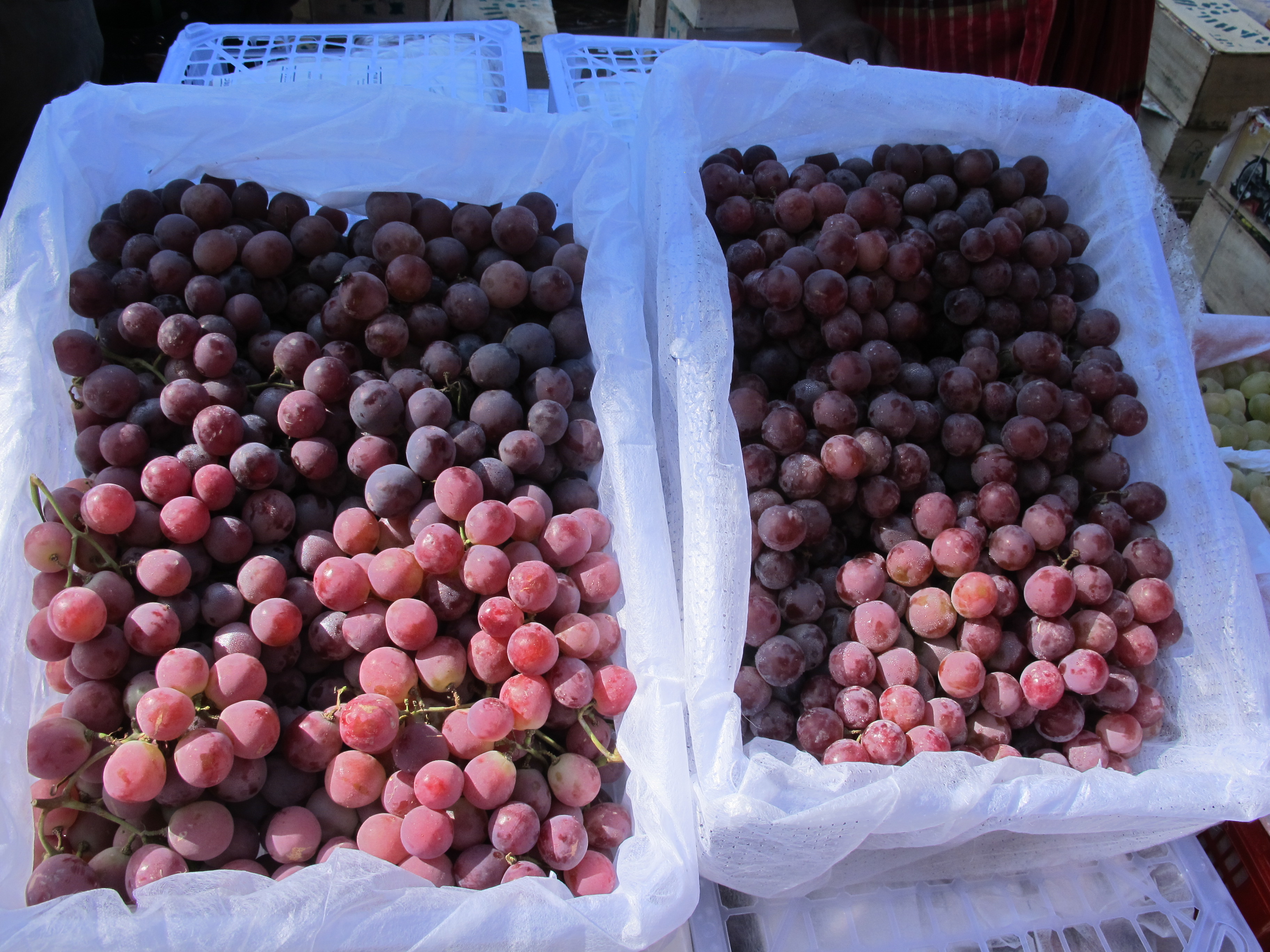
According to FAOSTAT figures for 2023, world grape production was 72.5 million tonnes. China led with 13.5 million tonnes, about 19 per cent of the total, followed by Italy with 6.7 million, France with 6.2 million, the United States with 5.4 million, Spain with 4.8 million, Turkey with 3.4 million and Chile with 2.3 million. Roughly 71 per cent of the world's grapes go into wine, 27 per cent are sold as fresh fruit and 2 per cent are dried. Table grapes, the kind grown in Chandpur, are usually large and thin-skinned, and most table grape plantings are seedless cultivars, nearly all of which take their seedlessness from Thompson Seedless, Russian Seedless or Black Monukka.
The vine is at home in a dry, sunny climate. Vines need roughly 1,300 to 1,500 hours of sunshine in the growing season and about 690 millimetres of rain a year, with ideal summer temperatures averaging about 22 degrees Celsius. In temperate countries the vine wakes with bud break in spring once daily temperatures pass 10 degrees, flowers 40 to 80 days later, sets fruit almost at once, and begins to ripen about 40 to 50 days after fruit set, before resting through the winter.
Neighbouring India shows how the crop behaves in the tropics. There, the growing season is hot and can be disrupted by the monsoon, irrigation is necessary, and the high heat and humidity of the far eastern half of the country limit grape growing. Tropical conditions push vines to high yields that require frequent pruning through the year, and in the very warm states of Tamil Nadu, Karnataka and Andhra Pradesh vines can produce a crop twice a year. Maharashtra, around Nashik and Pune, and Karnataka hold some of the largest vineyard areas, and the Sultana grape covers more than half of India's roughly 148,000 acres under vine; after independence the government encouraged vineyards to shift towards table grapes and raisins.
Grapevines are multiplied from the parent plant rather than from seed, because every seed carries a new mix of genes from its two parents and grows into a vine different from either. Nurseries take cuttings, shoots from a mother vine planted to grow their own roots, or join a chosen variety onto a rootstock by grafting; a cane can also be bent into the soil beside the parent vine until it roots, a method called layering. This is how growers such as Kamruzzaman can keep a named variety true and sell saplings of it to others.
Photo: Savitr1915 / Wikimedia Commons (CC BY-SA 4.0)
Sources: Jagonews24, Prothom Alo, Banglapedia (Asiatic Society of Bangladesh), Wikipedia (Chandpur District, Chandpur Sadar Upazila, COVID-19 pandemic in Bangladesh, Department of Agricultural Extension, Grape, Viticulture, Indian wine, Plasmopara viticola, Annual growth cycle of grapevines, Propagation of grapevines, Maund, Decimal), FAOSTAT (FAO)
Comments
(0)