
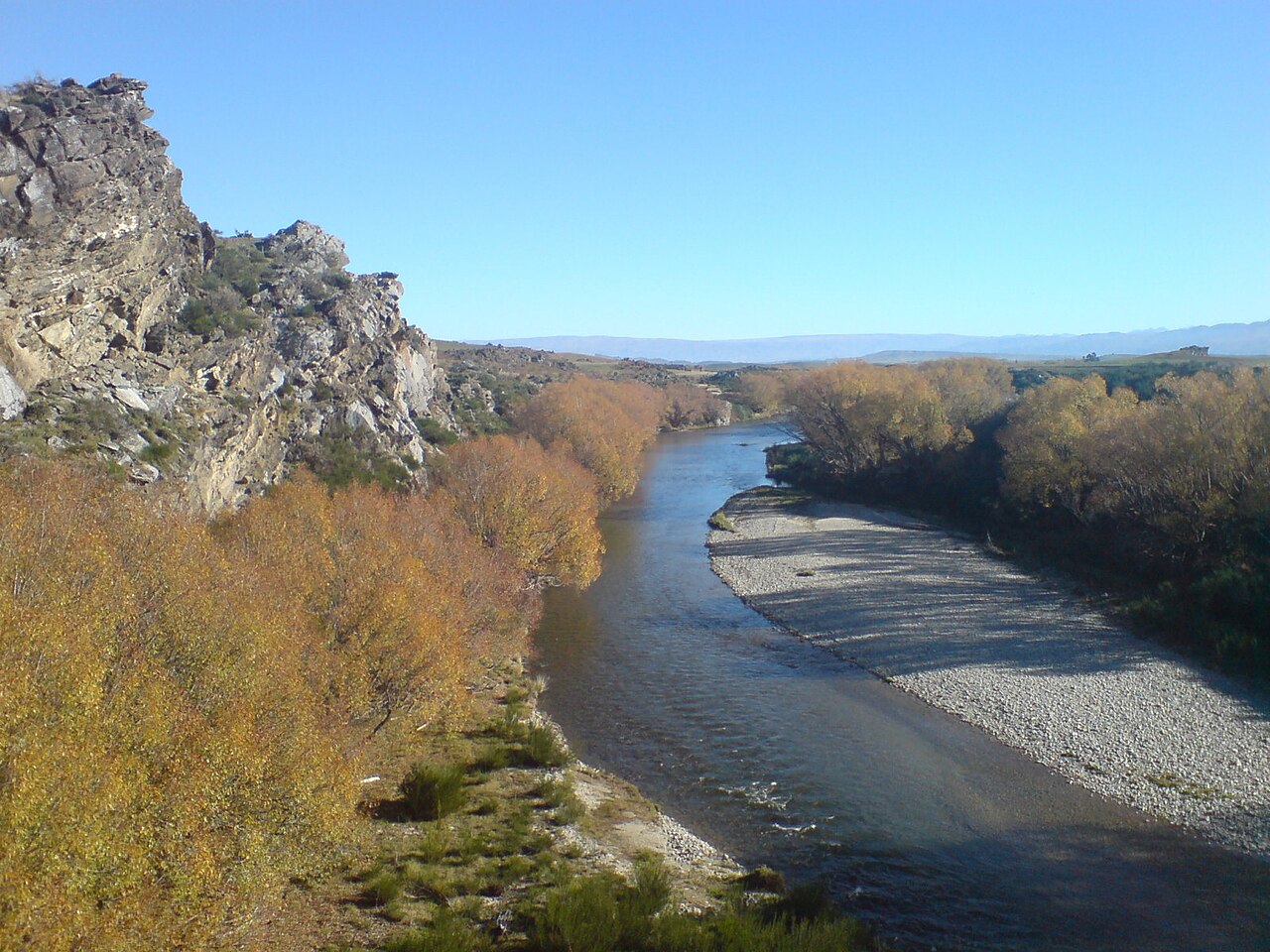
Central Otago District Council in New Zealand has voted against a plan to spread treated sewage sludge from Cromwell and Alexandra on farmland near Lauder. Councillors chose instead to keep trucking the sludge to a landfill at Winton, the method used before. The council had been weighing what to do with more than 20,000 cubic metres of sludge held in geobags and at the bottom of aeration ponds at the Cromwell wastewater treatment plant.
New information had weakened the case for Lauder: the existing consent at the site might cover only about half of what the council needed to dispose of, and the projected saving to ratepayers had shrunk from an initial estimate of $600,000 to $182,000. Council officers had warned of a possible fightback from the rural community and of delays to urgent work at both treatment plants if a decision was put off.
Federated Farmers Otago president Anna Gillespie welcomed the vote. "It's heartening that councillors have heeded the anger and strong warnings from rural residents in Lauder and the wider Manuherekia catchment," she said. Saving ratepayers money was an understandable motive in hard times, she added, "but that cannot be at the expense of the environment and water quality in a sensitive catchment."
Gillespie said Mayor Tamah Alley and Deputy Mayor Tracy Paterson had acknowledged during the process that rural residents should not have to bear the impact of waste produced in towns. Federated Farmers has questioned the science and modelling behind the original consent, which allows sludge from Wanaka and Albert Town to be spread on the former sheep and beef farm at Lauder.
Otago Regional Council is now reviewing the conditions of that original consent in light of the concerns the farmers' organisation raised, Gillespie said.
Photo: Ingolfson / Wikimedia Commons (CC0)
Source: Rural News Group


Comments
(0)