

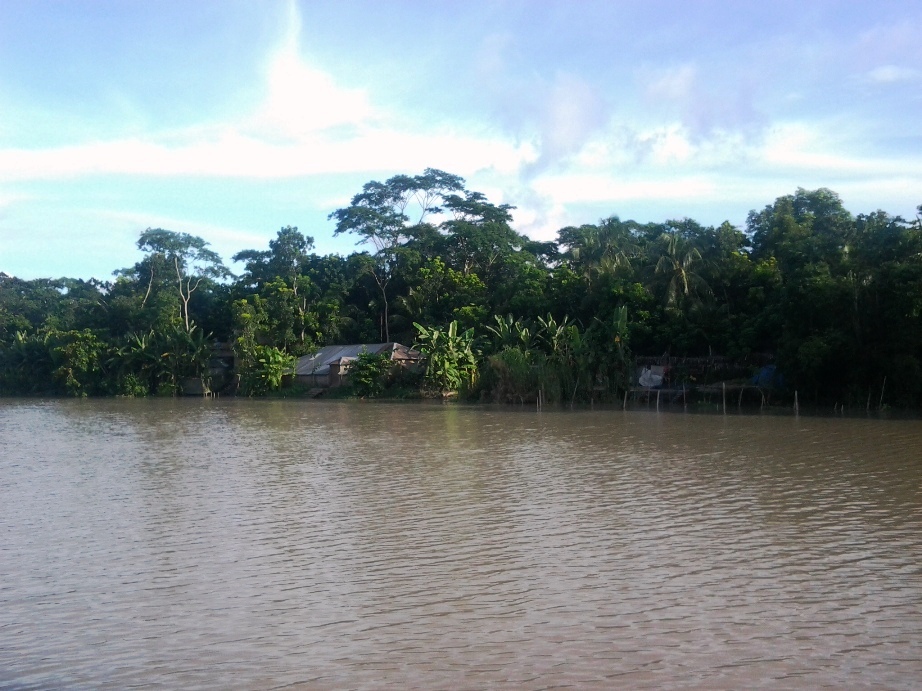
Waste leaves the toilet but does not reach a safe destination. On World Toilet Day (19 November), Samakal reports that while Bangladesh has made real progress in ending open defecation, large gaps remain in collecting, transporting and treating sewage, and untreated waste is seeping into rivers, canals, ponds and soil. This year's theme is "Safe toilets, an equal future".
According to World Bank figures published on 10 February, about 20 percent of Dhaka residents have piped sewer connections, and more than 80 percent of the city's wastewater and sewage enters its rivers and canals untreated. Dhaka WASA supplies 2,500 million litres of water a day; if 70 percent becomes wastewater, that is about 1,750 million litres. WASA says it treats 20 percent, but urban planner and architect Iqbal Habib calls that a picture from about ten years ago, and Abu Naser Khan, chairman of Poribesh Bachao Andolon, puts treatment at no more than 10 percent.
Treatment plants exist, but the waste does not reach them. The Dasherkandi plant, opened in 2023 with a capacity of 500 million litres a day, cannot run at full capacity for lack of a collection network, and the Pagla plant (about 120 million litres a day) also runs below capacity. The first phase of a collection network for Dasherkandi was approved by ECNEC on Wednesday at a cost of Tk 993.64 crore, to be built between January 2027 and December 2029.
Outside Dhaka, most towns have no central sewer system and rely on pits and septic tanks, whose contents often end up in drains, canals and low land. The BBS and UNICEF Multiple Indicator Cluster Survey 2025 found that 91.7 percent of people use improved sanitation, but only 23.7 percent have safely managed on-site sanitation.
Two municipalities are exceptions. In Sakhipur, Tangail (since 2015), and Saidpur, Nilphamari (since 2021), the municipalities and WaterAid Bangladesh collect sludge from pits and septic tanks by vacuum tanker. After the liquid is separated and treated, the dried sludge is mixed with biodegradable waste and sawdust and composted for eight weeks, then matured and screened until it is fit for farming. Sakhipur can process 5,000 litres a day and Saidpur 26,000 litres.
In 2025 Sakhipur produced 18 tonnes of "Sakhi Compost", almost all of it sold to local farmers, and the income pays for running the plant. In Saidpur, on the upazila agriculture officer's recommendation, 57 farmers received 2,850 kg of compost, and interest in using it on vegetables is growing in both towns. Experts say the two towns' experience can be used elsewhere if compost quality and market links are secured.
Photo: Sarah.1001022 / Wikimedia Commons (CC BY-SA 4.0)
Source: samakal

Comments
(0)