

Among coloured vegetables, the carrot is one of the most popular in Bangladesh. It is rich in vitamin A and also contains plenty of calcium, iron, phosphorus, starch and other vitamins. Carrots are eaten in curries and salads, and carrot halwa is a favourite of many. For these reasons there is strong demand for carrots in the country. Here is how to grow them.
Varieties
Carrot seed of various varieties is usually imported and grown in Bangladesh, such as Royal Cross, Kinko Santine Royal, Coral Cross and Scarlet Nantes. Other varieties popular with farmers include Pusa Kesar, Kuroda-35, New Koarja, Santini and Yellow Rocket. Of these, Pusa Kesar can produce seed in Bangladesh's climate.
Soil, sowing and fertiliser
Well-drained sandy loam and loam soils are good for carrots, and the plot should get enough light and air. Ashwin to Kartik (mid-September to mid-November) is the right time to sow. Each hectare needs 3 to 4 kg of seed, with 20 to 25 cm between rows and 10 cm between plants.
The land should be well ploughed and harrowed until the soil is loose and crumbly. It is better to sow carrot seed in rows, which makes the crop easier to look after.
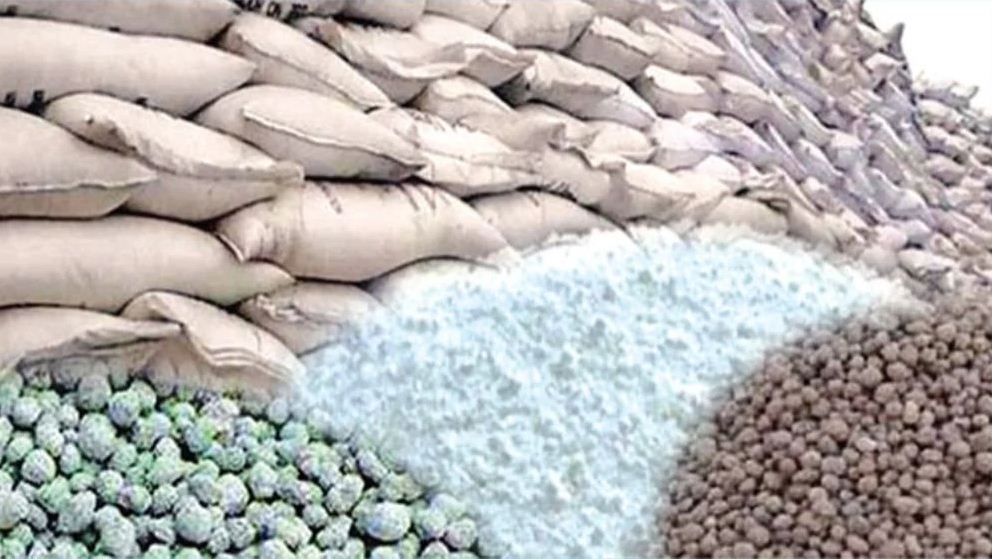
Because carrot seed is very small, it is best mixed with ash or powdered soil before sowing, using good dry ash or fine soil. Fertiliser should be applied per hectare at 10 tonnes of cow dung or organic manure, 150 kg of urea, 125 kg of TSP and 200 kg of SOP or MoP.
All the cow dung and TSP and half the urea and MoP should be applied during land preparation. The remaining urea should be applied on the soil surface in two equal instalments, 10 to 12 days and 35 to 40 days after germination. The remaining half of the MoP should be applied on the surface 35-40 days after germination.
Germination, thinning and irrigation
Seedlings can take 10 to 20 days to emerge, but if the seed is soaked for 18 to 24 hours before sowing, they come up in 7 to 10 days.
Eight to 10 days after germination, keep one plant every 8 to 10 cm and pull out the rest. At the same time, clear weeds and break up any crust on the soil. Irrigate and drain as needed; three to four irrigations every two weeks, depending on soil moisture, are good for production.
Pests and disease
Aphids attack carrots, sucking sap from the tender parts of the plant and causing heavy damage. To control them, any one of the insecticides Rogor L-40, Classic 20 EC, Tidfet 75 SP or Tido 20 SL can be used at the approved dose, or Bicao-1 should be applied.
Carrot yellow virus disease also occurs, often spread by leafhoppers. When they attack, the young leaves turn yellow and then curl, and the side shoots of the leaves noticeably turn yellow and pale.
Leafhopper attacks must be controlled quickly. Cut off affected branches and keep the surroundings clean. Spray Sobicron 425 EC at 2 ml, or Relothrin at 1 ml, in water.
Harvest
Carrots are ready to be harvested for eating as a vegetable 70 to 80 days after germination. The yield is 20 to 25 tonnes per hectare. Growing carrots by following all the rules can be quite profitable.
Source: Jagonews24. First published in Bengali on The Agro News.


Comments
(0)