
Grain trader and processor Bunge and plant genetics company GDM have created Enerseed, a joint venture to develop and sell non-traditional oilseed crops grown as feedstocks for biofuels, Farms.com reports.
GDM brings plant genetics, breeding, research, trait development and gene-editing capability; Bunge brings its global oilseed processing network and access to food, feed and fuel markets. The aim is one supply chain running from new seed varieties through farm production and processing to delivery of feedstock to biofuel customers. The first seed development projects will start in selected markets and could later spread to other regions.
"Navigating today's global landscape requires strategic focus and innovative solutions that address pressing challenges like energy security," said Julio Garros, Bunge's chief operating officer. GDM chief executive Ignacio Bartolome said the venture would let the company take its genetic work into crops and markets beyond food production.
The companies have not named the species. They say the crops could improve soil health, reduce erosion, fix nitrogen and need less water, and could help farmers diversify and reach premium markets for lower-carbon feedstocks, especially if they fit existing rotations or earn income in otherwise fallow periods.
Enerseed also plans an open licensing model, making its genetics and related technology available to qualified seed companies, universities, research institutes and technology developers, in the belief that wider access will speed up commercial development. A crop with the right oil traits is only one part of building a new feedstock market: farmers also need reliable seed, agronomic knowledge, buyers and an economic route to market, which is where Bunge’s processing reach comes in.
For now it is an initiative to watch rather than a cropping option: no varieties, regions, contracts or timetables for commercial farm production have been announced. Whether growers benefit will depend on where the crops are adapted, how they perform, what contracts and processing exist and how large any low-carbon premium turns out to be.
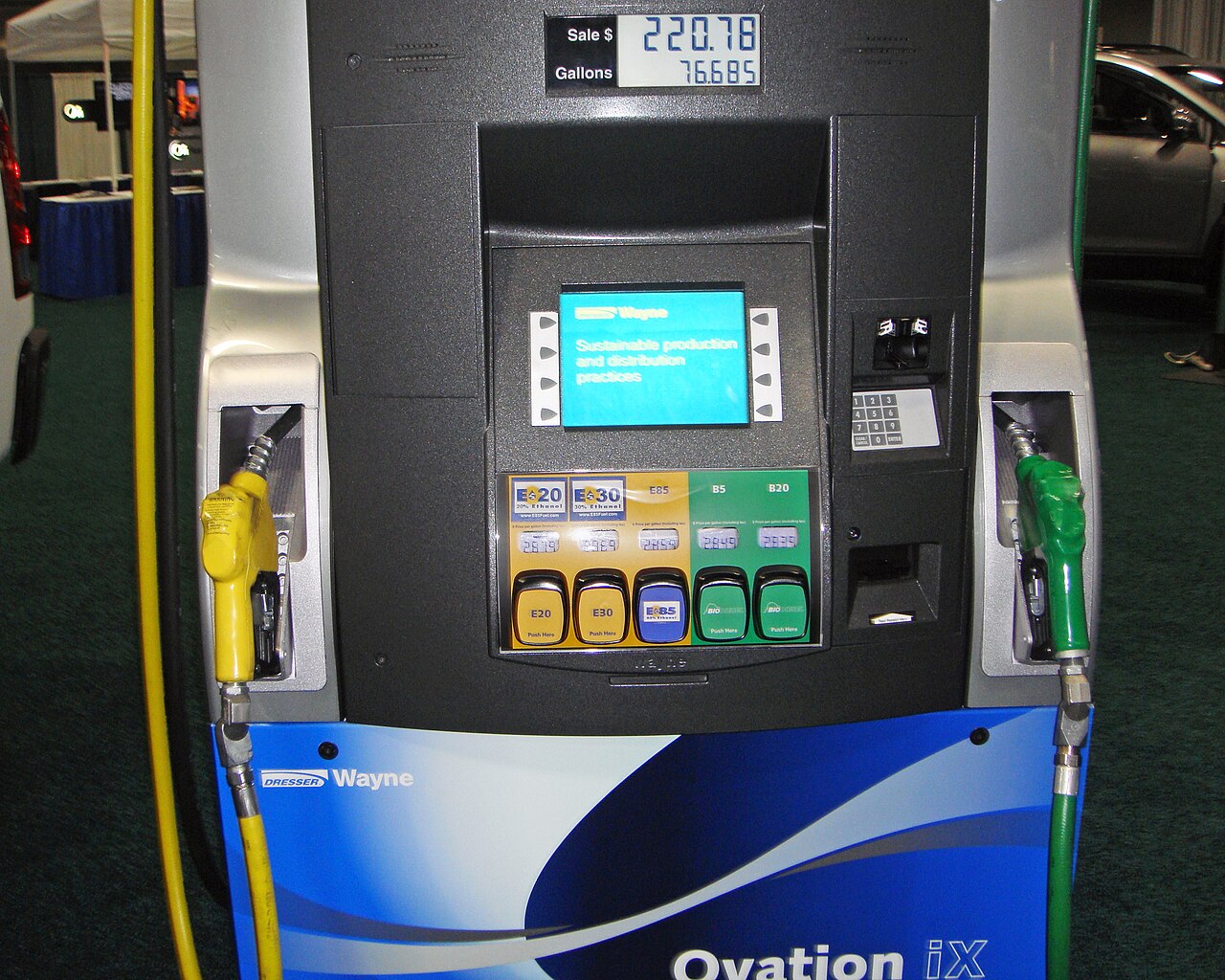
Photo: Mariordo (Mario Roberto Duran Ortiz) / Wikimedia Commons (CC BY-SA 3.0)
Source: Farms.com

Comments
(0)