
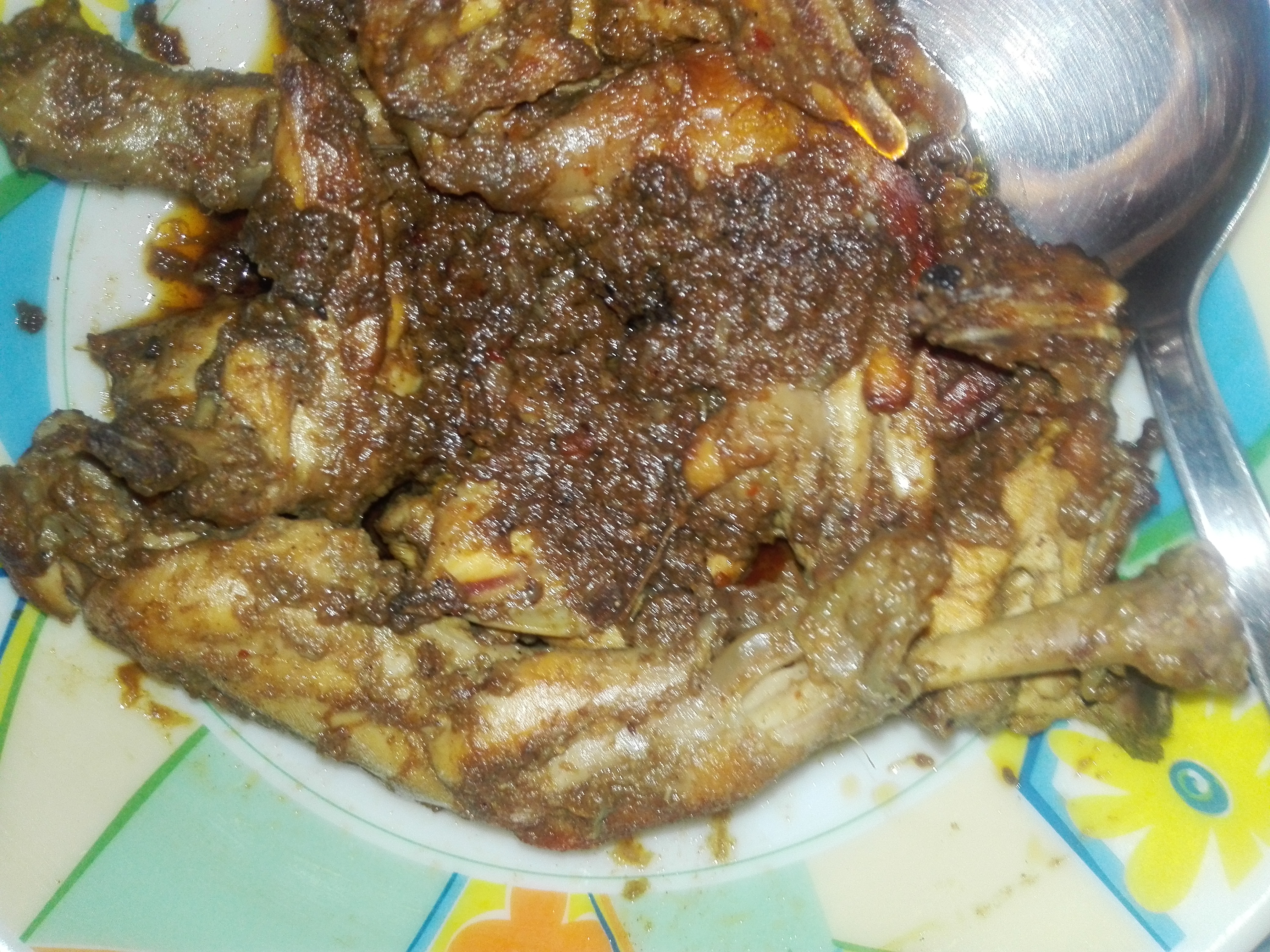
Many people find that farm, or broiler, chicken keeps a faint smell even after it is cooked. On 14 July 2026 Jagonews24 published a set of home tips on its lifestyle page to deal with it: clean and store the meat properly, marinate it with lemon and ginger-garlic, and fry the spices well. This piece sets those tips beside the food-safety guidance of the U.S. Department of Agriculture's Food Safety and Inspection Service (USDA FSIS) and the World Health Organization (WHO).
Broiler chicken and why safe cooking matters
USDA FSIS defines a broiler-fryer as a young, tender chicken under 10 weeks of age that can be cooked by any method. The agency says that, as with any perishable meat, bacteria can be found on raw or undercooked chicken, and that freezing does not kill them; thorough cooking does.
According to the WHO, Campylobacter is one of the four key global causes of diarrhoeal disease and is widespread in food animals such as poultry. Eating undercooked contaminated poultry is believed to be a major source of infection, and the bacteria are killed by heat and thorough cooking.
Storing and washing after you buy
Jagonews24 advised cutting the chicken into portions and draining off the water before refrigerating it, never storing it wet, and noted that chicken kept in the fridge for a long time is more likely to smell. The report suggested using it within 7 to 10 days, but USDA FSIS guidance is stricter: keep raw chicken in a refrigerator at 40°F or below and use it within 1 or 2 days, or freeze it at 0°F. Frozen chicken stays safe, though its quality falls the longer it is kept.
FSIS gives three safe ways to thaw chicken: in the refrigerator, in cold water (in its packaging, changing the water every 30 minutes) or in the microwave. Never thaw it on the counter.
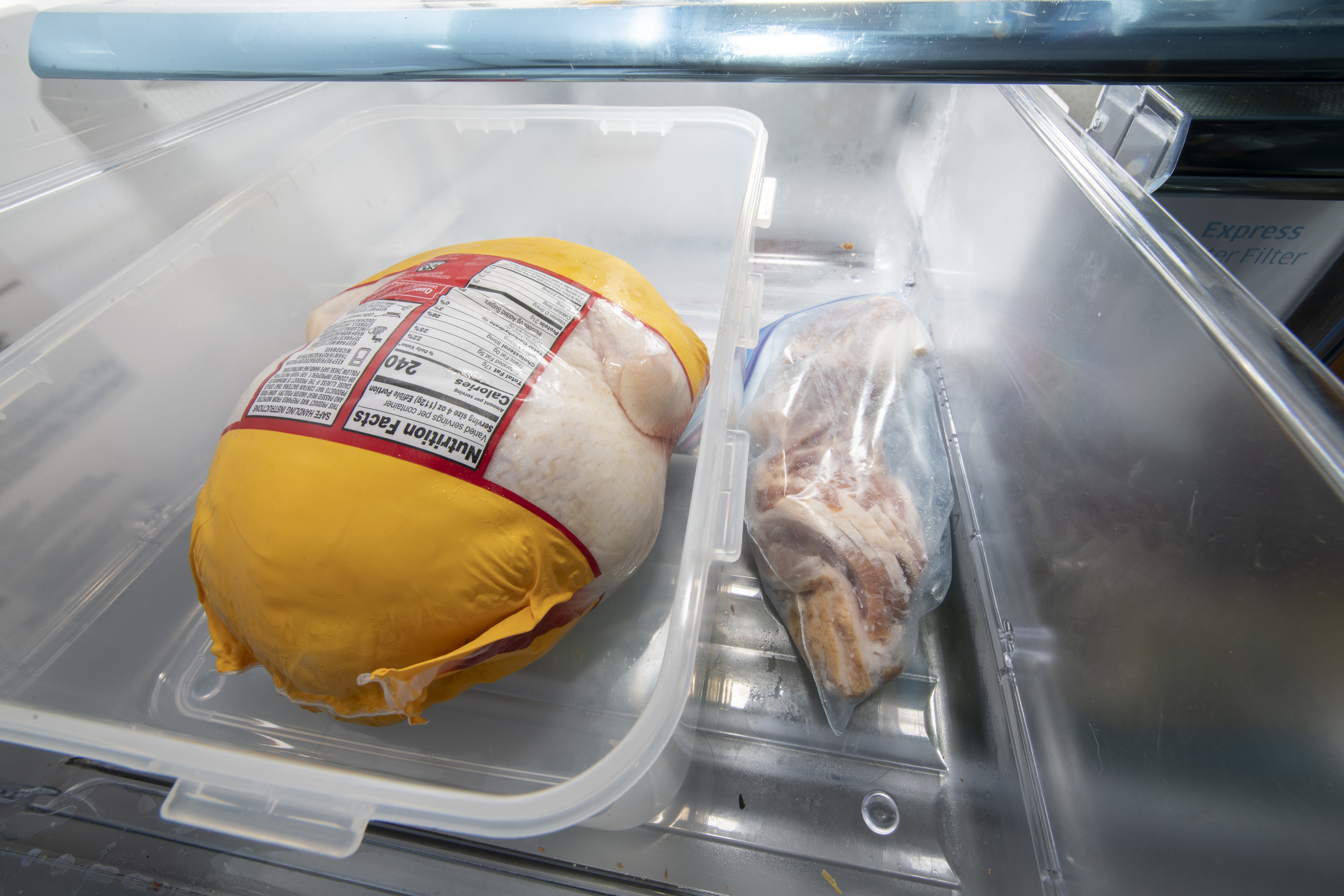
Jagonews24 itself warned that washing chicken at length can spread harmful bacteria around the kitchen. FSIS does not recommend washing raw poultry at all: juices from the meat carry bacteria to other foods, utensils and surfaces, and rinsing or soaking does not destroy them; only cooking does. If the meat needs cleaning, pat it with kitchen paper, trim the excess fat, especially around the back end, and then wash the chopping board and your hands with soap.
Marinating with lemon, ginger-garlic and spices
The marinade Jagonews24 suggested:
- Salt and ground black pepper
- A little ginger-garlic paste
- Garam masala powder
- Fresh lemon juice
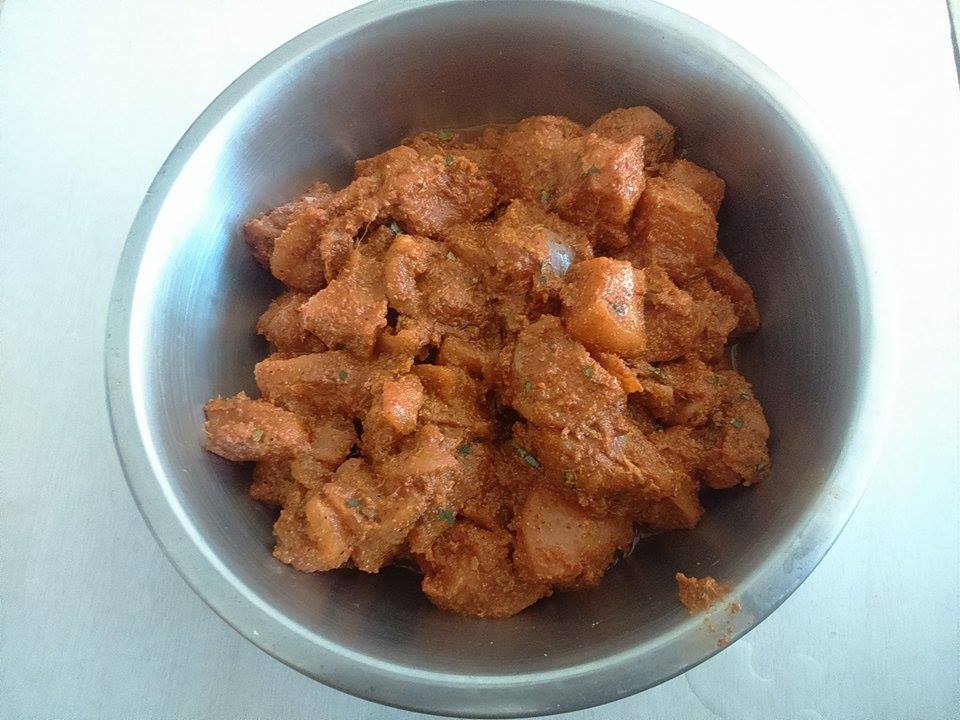
The report recommended marinating for at least 15 to 30 minutes and said that farm chicken left for more than 30 to 40 minutes in a lemon or vinegar marinade turns mushy. FSIS advises always marinating in the refrigerator, and discarding leftover marinade from raw meat or bringing it to a full boil before brushing it on cooked chicken.
If you like, sear the marinated meat in a little oil over very high heat for 2 to 3 minutes before cooking; Jagonews24 said this seals the outside and cuts the smell, though the step is optional. FSIS warns never to brown or partly cook chicken and refrigerate it to finish later, so carry straight on with the cooking.
While cooking
- Use a little more onion, ginger and garlic, and fry the spices until the oil rises to the top; according to Jagonews24, the better the spices are fried, the less the smell.
- When braising, add boiling water rather than cold to keep the texture and speed up cooking.
- Use ginger-garlic paste properly against the fishy smell; a little green chilli and lemon juice near the end lifts the flavour.
- Let the meat rest for 5 to 10 minutes off the heat so the juices settle and it stays tender.
For safety, FSIS recommends cooking chicken, whole or in pieces, to an internal temperature of 165°F, checked with a food thermometer in the thickest part of the breast and the innermost part of the thigh. The colour of cooked chicken, the agency says, is not a sign of its safety. The WHO advises making sure food is properly cooked and still hot when served, and washing hands with soap after handling raw meat.
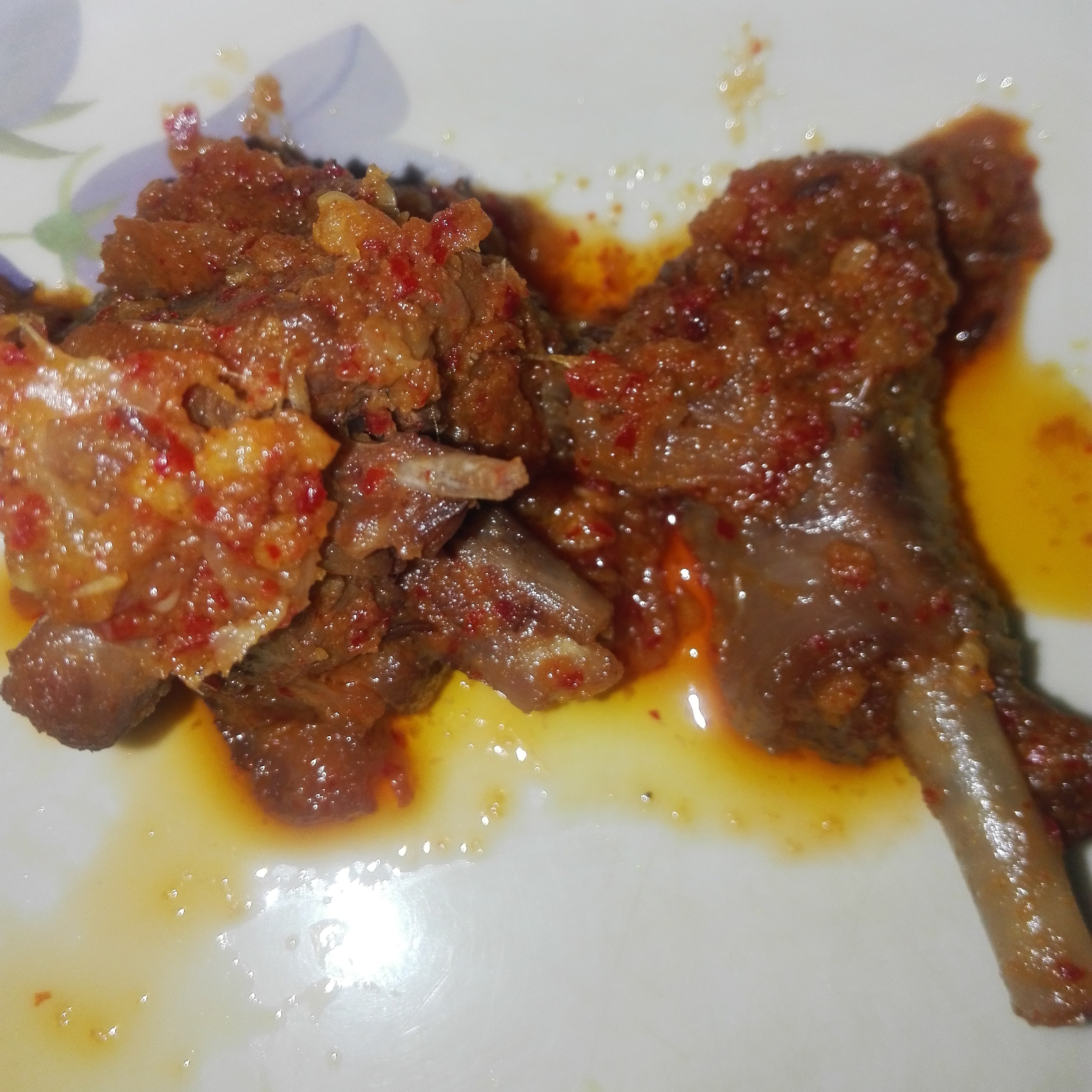
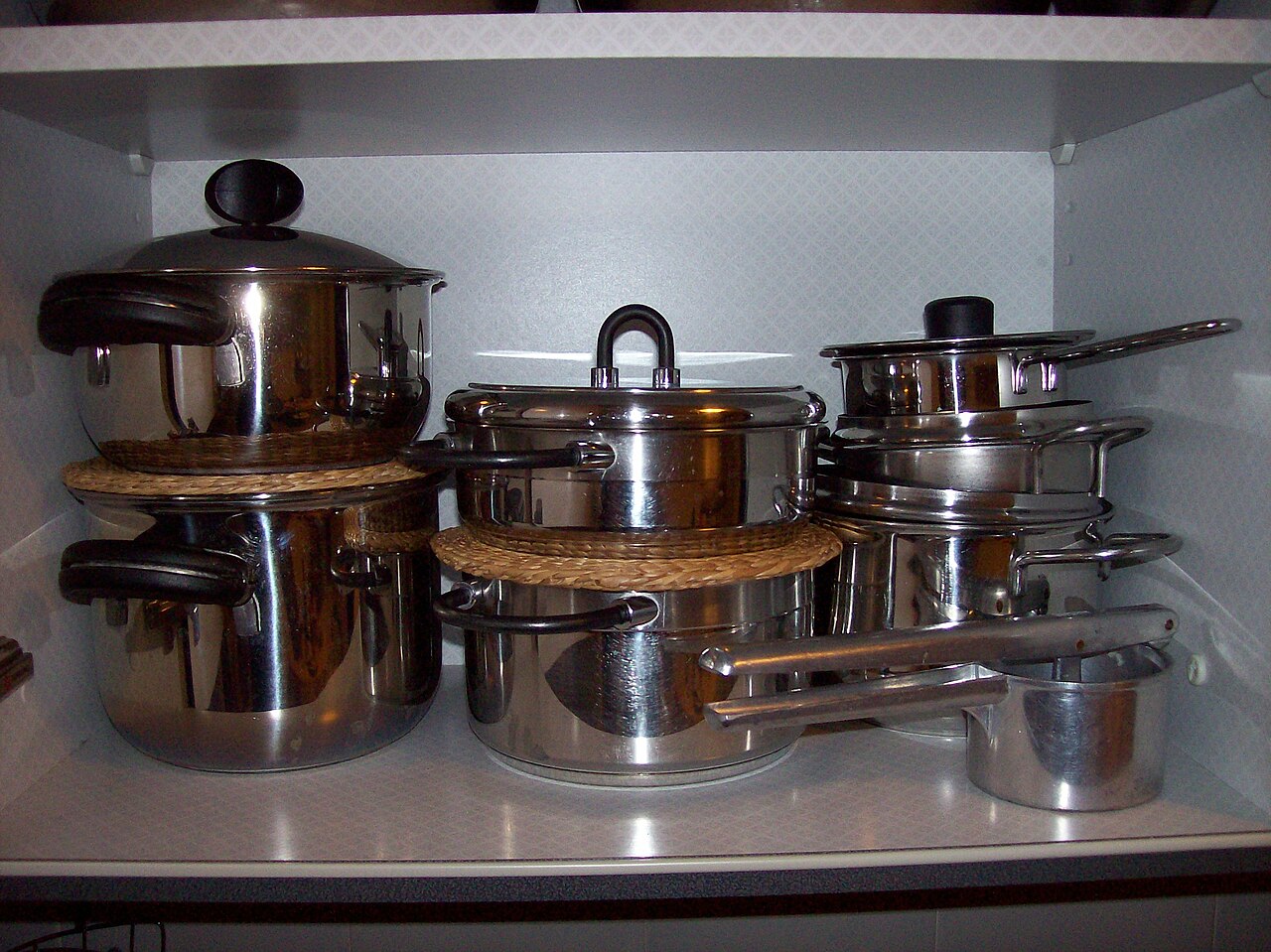
Photo: Ferdous / Wikimedia Commons (CC BY-SA 4.0)
Sources: Jagonews24, USDA Food Safety and Inspection Service (Chicken from Farm to Table), World Health Organization (Campylobacter fact sheet)


Comments
(0)