
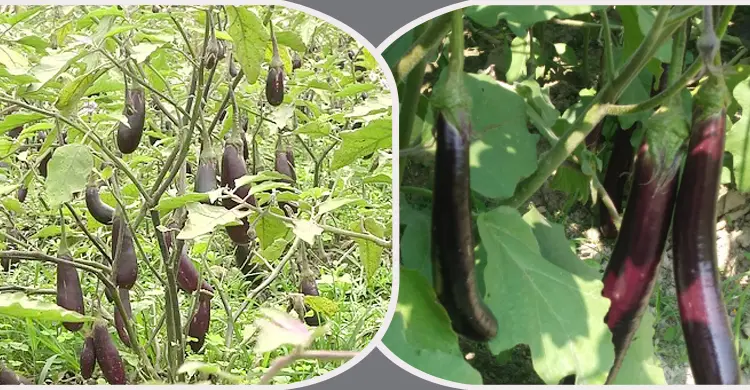
Brinjal (aubergine) is in great demand in Bangladesh and is a very popular vegetable. In the month of Ramadan in particular, demand rises so much that prices go beyond people's reach.
Demand for brinjal is high throughout the year, so growing it is quite profitable. But many do not know the right way to grow it, and as a result farmers do not get good yields. Proper methods are needed for a higher yield.
Here is how to grow brinjal for a higher yield. Seedlings are usually planted in Magh–Falgun for the summer crop, in Baishakh for the rainy-season crop and in Bhadra–Ashwin for the winter crop.
Preparing the seedbed
Brinjal is first raised as seedlings in a seedbed and then transplanted to the main field. The seedbed should be in a place where rainwater will not collect, that is, well drained, and where it gets light and air all the time, that is, free of shade.
To prepare the seedbed, plough the soil deeply (at least 20 cm). The soil must be fertile; if fertility is low, organic fertiliser and a small amount of phosphate fertiliser can be used.
For each square metre of seedbed, 0.10 cubic metres of rotted cow dung and 30 g of TSP can be used. After ploughing, divide the whole plot into several small seedbeds.
Each seedbed should be 3–5 metres long and 1 metre wide, with 15 cm of open space at the sides. Leave 50–60 cm between two neighbouring seedbeds, and use soil from this space to raise the beds. For a small number of seedlings, wooden boxes, plastic trays or large tubs can serve as seedbeds.
Transplanting and spacing
The main field is usually prepared by ploughing and laddering four to five times to make the soil friable. Seedlings are ready to transplant at 35–45 days, when they have five to six leaves and are about 15 cm tall. Slightly older brinjal seedlings can also be planted.
If necessary, seedlings can be kept in the seedbed for up to two months. To avoid damaging the roots when lifting them, water the seedbed one to two hours beforehand. Planting distance depends on the variety, soil fertility and growing season.
For large-fruited varieties, seedlings can generally be planted 60 cm apart in rows 90 cm apart, and for small-fruited varieties 50 cm apart in rows 75 cm apart. To keep seedlings from drying out right after transplanting, plant them in the afternoon if possible.
Fertiliser, disease and harvest
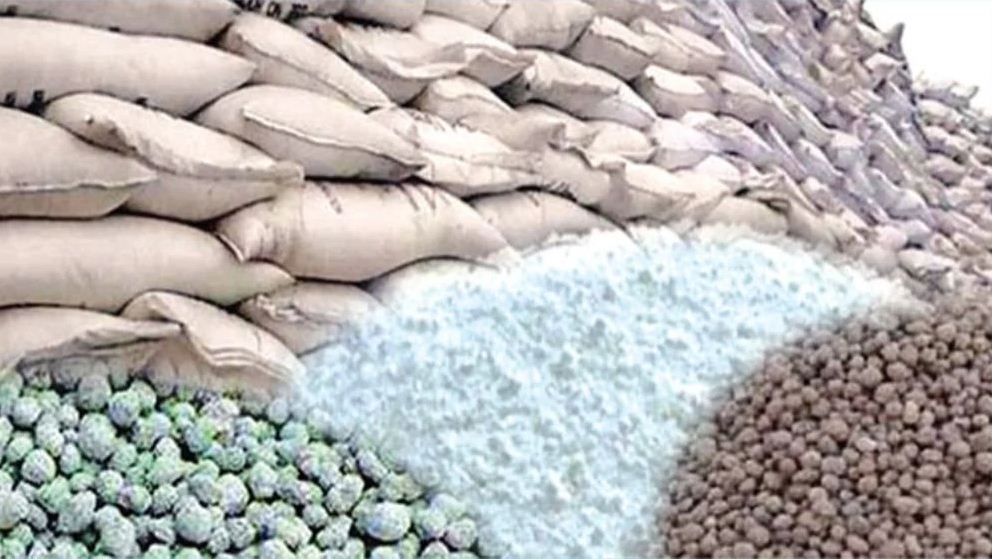
Brinjal absorbs large amounts of nutrients from the soil, so a satisfactory yield is not possible without fertiliser. The amount depends on the soil's fertility.
A set amount of fertiliser per hectare must be applied. The first instalment goes on 10–25 days after transplanting, the second when fruiting begins and the third midway through harvesting. If the soil lacks moisture, irrigate right after applying fertiliser.
Wilt in brinjal is caused by the Fusarium fungus. The base of the stem and the roots become discoloured, the leaves droop and the plant wilts and later dies. Locally produced organic pesticides can be used.
Pick ready brinjals carefully, making sure the plant is not injured or wounded. Place harvested brinjals on fresh leaves or straw so they are not bruised; this is very important.
Information: Agriculture Information Service (AIS).
Source: Jagonews24. First published in Bengali on The Agro News.

Comments
(0)