
The word cancer causes fear, but what is needed is accurate knowledge, awareness and timely action. Writing in Amar Desh, Dr Muhammad Mahtab Hossain Majed notes that according to the World Health Organization about 2.4 million women worldwide were newly diagnosed with breast cancer in 2024 and about 700,000 died of it. In Bangladesh, lack of knowledge, social embarrassment and delays in testing often mean the disease is found late, yet it can be cured if caught early.
When breast cells grow abnormally they can form a lump or tumour, but not every lump is cancer. There is no single cause, the doctor writes: age, family history, inherited gene changes, reproductive and hormonal factors and some lifestyle factors can all raise the risk. Having a risk factor does not mean cancer will follow, and it can occur without any known risk.
A history of breast cancer in a mother, sister or daughter, especially several relatives with breast or ovarian cancer at a young age, calls for a risk assessment. He links excess weight after menopause, long hours of sitting, smoking and tobacco, and alcohol with higher risk.
His advice: a healthy weight and regular exercise, a balanced diet, enough sleep and stress control. Hormone-based medicines, particularly menopausal hormones, should not be used long-term without a doctor's advice, and breastfeeding should be encouraged where possible. Any new change in the size, shape or skin of the breast or the nipple, a lump or unusual discharge should be taken to a doctor promptly, without fear.
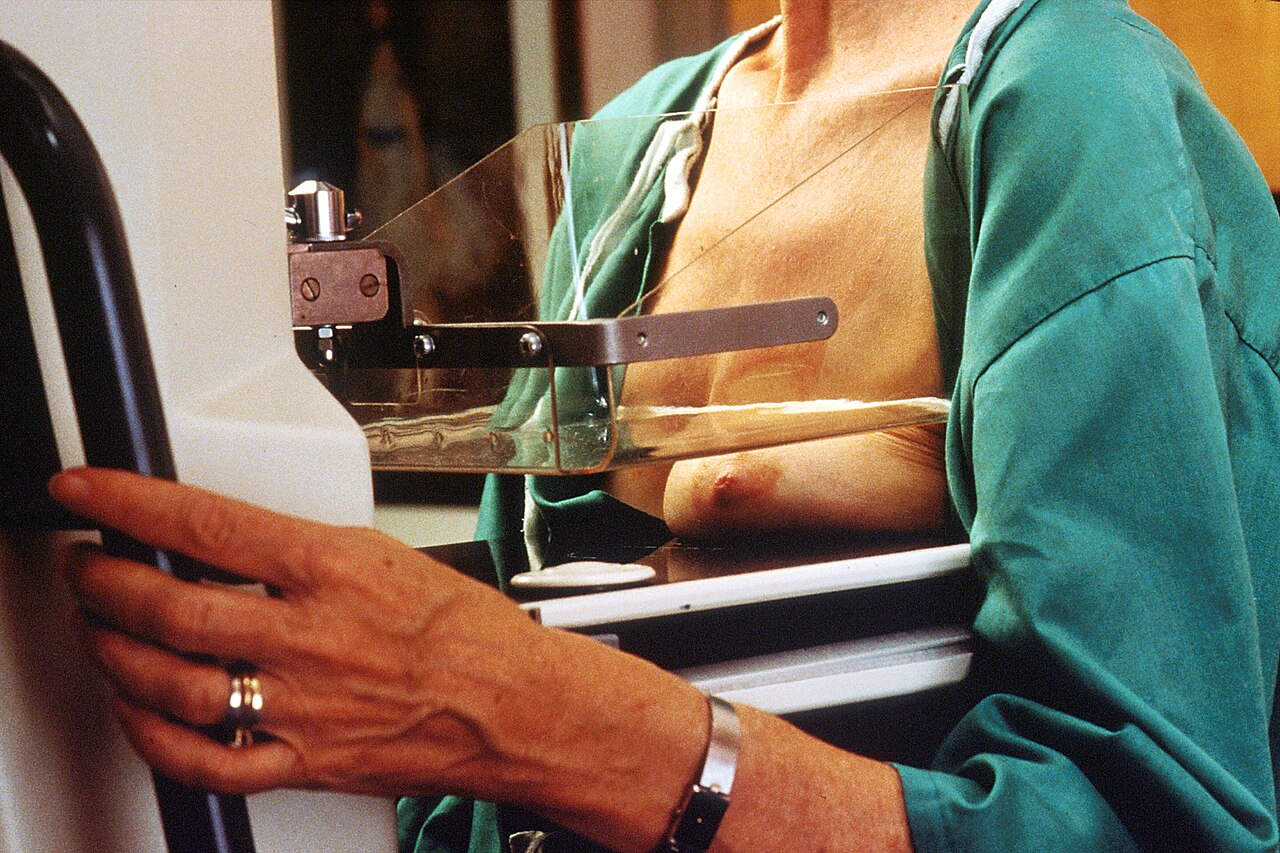
Photo: Bill Branson, National Cancer Institute / Wikimedia Commons (public domain)
Source: Amar Desh

Comments
(0)