
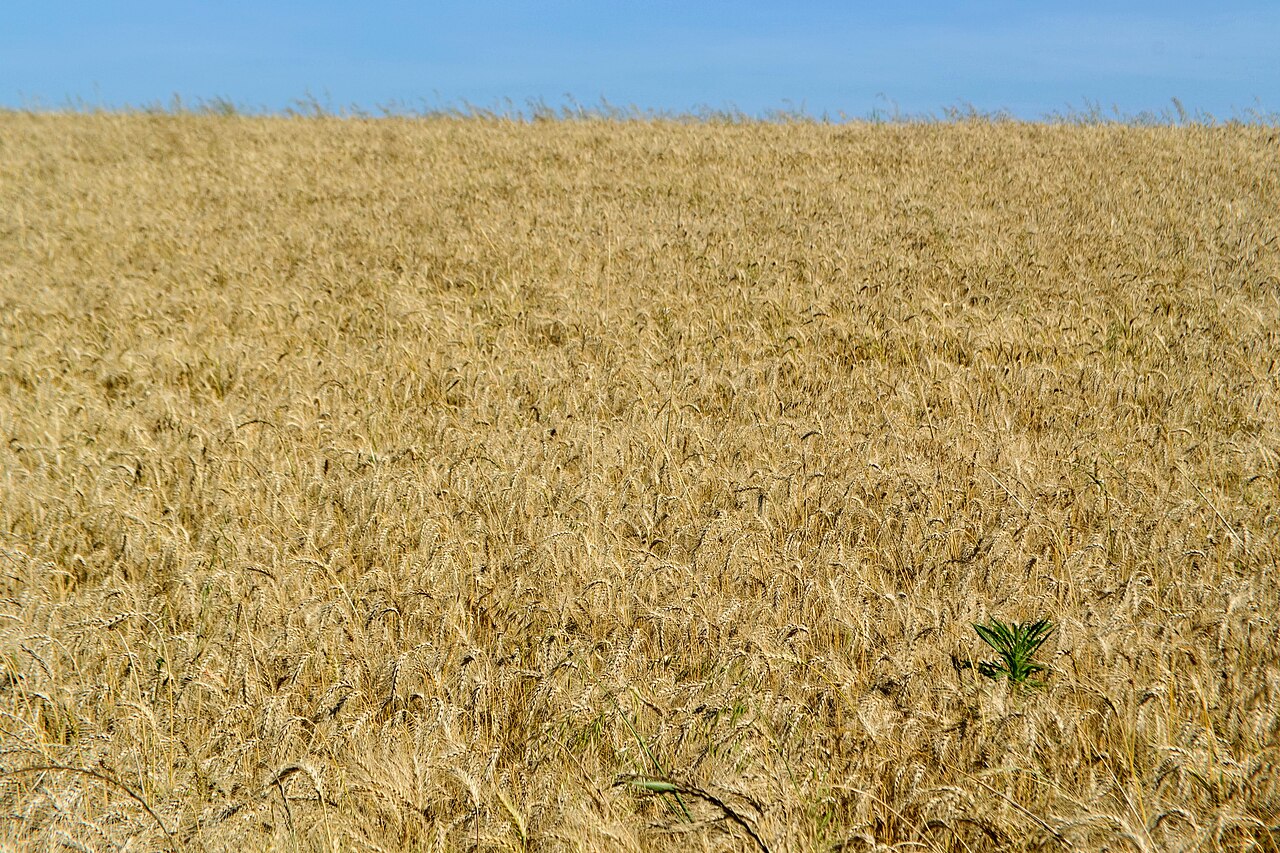
Brazil could import between 9.5 million and 10 million tonnes of wheat in 2027, the most in 30 years, Tito Marquetti Martinho, senior director of wheat origination and trading at Bunge Alimentos, told the 33rd International Wheat Industry Congress in Rio de Janeiro, organised by the Brazilian Wheat Industry Association, Abitrigo.
The estimate reflects a sharp deterioration in Brazil's own crop and worries about the quality of Argentine wheat, which Brazilian mills rely on under Mercosur terms. Wheat market specialist Elcio Bento put Brazil's 2026 output at 5.12 million tonnes, about 36% of national consumption.
In Parana, the largest wheat state, Bento said the balance swung from an expected surplus of 100,000 tonnes to a deficit of 1.85 million tonnes. Rio Grande do Sul, once projected to have a 4.07 million tonne surplus, is now close to balanced. In Santa Catarina the state research and extension company Epagri estimates output at 243,000 tonnes, 37% less than last season.
In Sao Paulo, persistent rain damaged the crop so badly that grain from some areas was rejected even as animal feed, according to Ruy Zanardi, president of the state's wheat sector chamber, who said buyers could need a further 600,000 tonnes of imports. Abitrigo's executive president Rubens Barbosa said more could be needed if Argentine quality does not improve on last season.
Across the border, the Rosario Board of Trade raised its 2026/27 Argentine wheat forecast to 23.8 million tonnes from 21 million. The Buenos Aires Grain Exchange said 38.1% of the crop was between flowering and grain fill, and that cloud and drizzle had cut the sunlight reaching it at that sensitive stage.
Frosts in September and mid-October caused estimated losses of 10% to 15% in some early-planted fields in southern Santa Fe, Entre Rios, Buenos Aires and La Pampa, and a grain trader said humidity was favouring leaf diseases and pushing growers towards preventive fungicide against fusarium.
Photo: Walter H. P. Moschen / Wikimedia Commons (CC BY-SA 4.0)
Source: Global Agriculture


Comments
(0)