
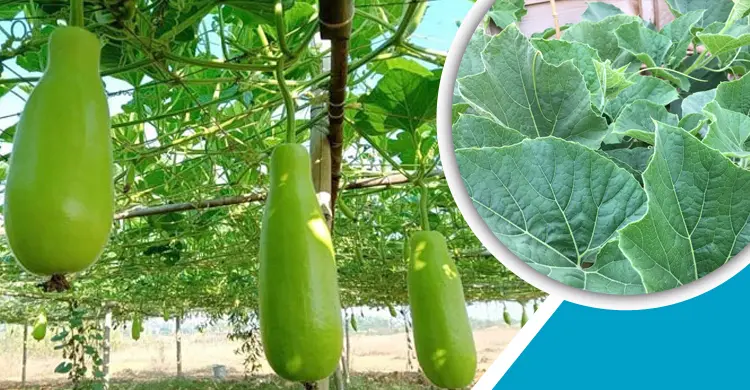
Bottle gourd (lau) is one of Bangladesh's tastiest vegetables and is rich in calcium and vitamin C. Every 100 grams of the edible part contains 26 milligrams of calcium and 4 milligrams of vitamin C. It also carries other nutrients: 0.6 grams of minerals, 0.6 grams of fibre, 66 kilocalories of energy, 1.1 grams of protein, 0.7 milligrams of iron and 15.1 grams of carbohydrate.
Sowing time and seedlings
Bottle gourd is sown from mid-Shrabon to mid-Kartik (August–October) and from mid-Falgun to mid-Joishtho (February–May). Depending on the variety, 4–5 grams of seed are needed per decimal.
Seedlings raised in polythene bags grow quickly after transplanting. Fill 5x4-inch bags with an equal mix of sand, soil and rotted cow dung, and make two or three holes in the bottom of each bag. For freshly collected seed, choose sunny, fertile, well-aired land for the seedbed. Sow three or four seeds 1–2 inches deep in each pit and cover them.
Fertiliser
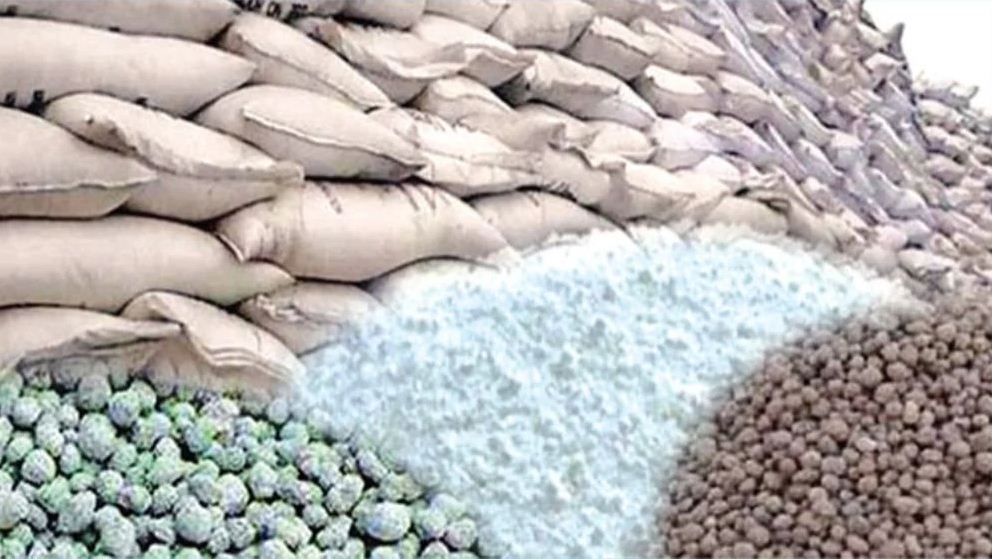
Per decimal, apply 40 kg of cow dung or compost, 2 kg of urea, 1.6 kg of TSP, 1.2 kg of MP and 10 grams of boron.
When preparing the pits, mix all the cow dung, TSP and boron, half the potash and one-fifth of the urea thoroughly into the soil. Seeds are sown 10–15 days after the fertiliser is mixed in. The remaining urea and potash are top-dressed in four equal instalments over the life of the crop.
Irrigation and care
A shortage of water hampers fruit set, and fruits that have already formed will gradually drop. Bottle gourd fields should not be flood-irrigated. Simply holding water in the irrigation channels lets the plants draw it up; if needed, a little water can be poured from the channel to the base of each plant with a small container. In the dry season the crop needs irrigation every 5–7 days.
Control weeds as soon as the soil is workable after irrigation and fertiliser. Weeding should be done 20–25 days after the seedlings emerge. Thin out plants that are too dense; 50–60 seedlings per square metre in the rabi season and 40–50 in the kharif season is best. Drain off excess rainwater, and tie the plants to stakes to protect them from storms.
Pest control and yield
Farmers can seek help from the agriculture department to control diseases and pests, and should follow the advice of the local agriculture officer. Before using any pesticide, read the label on the bottle or packet carefully and follow the instructions. Wear protective clothing while spraying, and do not smoke, eat or drink at the time.
Make sure water from sprayed fields does not flow into open water bodies. Produce from a sprayed field should be marketed at least 7 to 15 days after spraying. Depending on the variety, yields can reach 140–150 kg per decimal.
Source: Jagonews24. First published in Bengali on The Agro News.


Comments
(0)