
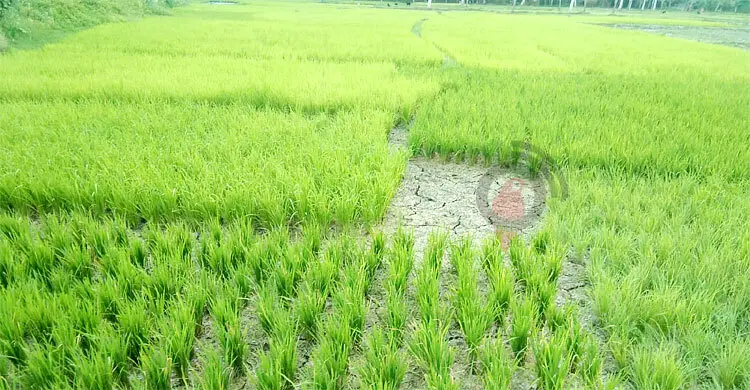
Irrigation will cost an extra Tk 233 crore or so, many farmers have not even been able to prepare seedbeds, and late transplanting raises the risk of disease and lower yields.
Even at the height of the monsoon, the rain farmers need has not come. They are running shallow machines to irrigate their land and transplant aman seedlings, pushing up production costs and raising many concerns about the aman crop. This is the picture in Bogura and several other northern districts. After losses in boro, farmers now look set to lose on aman too.
Cost per bigha
Asked what it costs to grow paddy on a bigha in this situation, Golam Rabbani and Mahbubur Rahman, farmers of Sadhubari village in Sherpur upazila, said ploughing to prepare land normally costs Tk 2,000, but the hostile weather means an extra Tk 500. Aman usually needs no irrigation, but with no rain even in the monsoon, seedlings are being planted with irrigation as in boro season, costing an extra Tk 2,000. In all, aman is costing Tk 2,500 to 3,000 more per bigha this year.
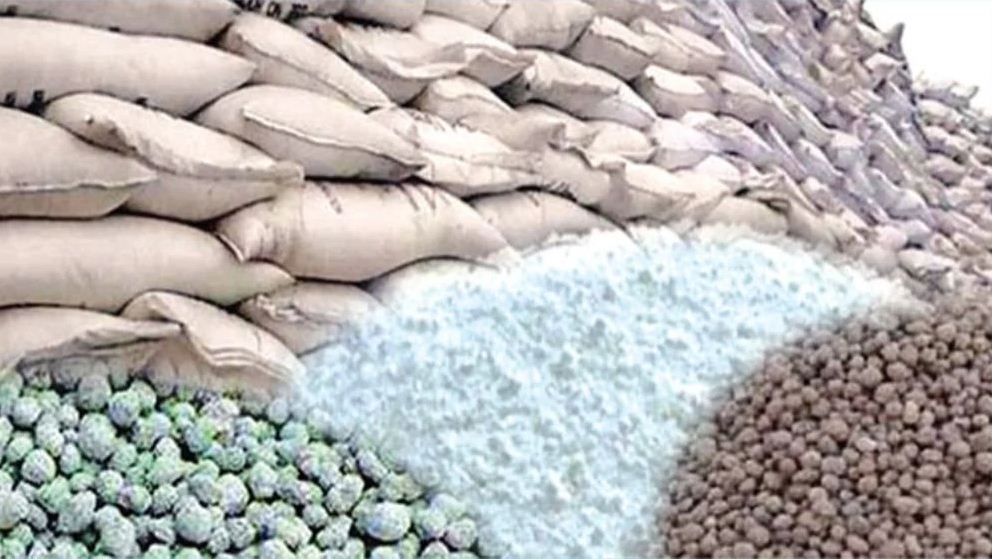
Describing the per-bigha cost, he added that at ploughing farmers must spread 10kg of TSP (Tk 300), 10kg of MoP (potash, Tk 300), 5kg of urea (Tk 150), 10kg of gypsum (Tk 150), 1kg of zinc (Tk 200), 3kg of sulphur (Tk 120) and 2kg of magnesium fertiliser (Tk 80). Then come Tk 200 in labour for trimming the field ridges, Tk 1,200 for transplanting, Tk 150 for weedicide and 5kg of urea, and Tk 500 in labour for weeding.
When the plants are growing, a second round of 10kg of urea (Tk 300), 5kg of MoP (Tk 150) and 5kg of DAP (Tk 120) is needed, plus about Tk 1,500 for pesticide as required, Tk 4,000 for harvesting and threshing and Tk 1,000 for seed and seedbeds. Farmers without their own land (sharecroppers) must spend another Tk 7,000 on leasing it. If the weather does not turn favourable by the end of the aman season, production costs will rise and farmers will count losses.
Gabtali upazila agriculture officer Mehedi Hasan said the drought is set to disrupt aman cultivation this year. With no rain, farmers must irrigate, so aman profits will be lower.
According to the district agriculture department, about half the aman land is usually planted by this time each year. This year, against a target of 1.83 lakh hectares in the district, only 3,700 hectares have been planted so far, mostly with irrigation water. About 4,800 deep and shallow tube wells of all sizes have been readied in the district. Running these diesel and electric tube wells will add about Tk 233 crore in irrigation costs.
Naogaon: no seedbeds yet
For lack of water, many farmers cannot transplant paddy, while others are in trouble with newly planted aus fields that are getting no rain. Irrigation pumps are now aman farmers' only hope, multiplying their costs in the district.
Environmental experts say Naogaon is among the districts of the north-west most at risk from climate change. For several years the district has not had proper monsoon rain, affecting various crops. Without enough rain, many farmers have not even prepared seedbeds, let alone transplanted aman.
Amjad Ali, a farmer in Naogaon Sadar, said aman seedlings are planted between the 15th of Asharh and the 15th of Shrabon. "The first week of Shrabon has passed, and we still cannot plant seedlings for lack of water."
Sirajganj farmers in despair
In this Chalan Beel region, the Jamuna has risen in recent days but a heatwave continues, and drought looms over the beel. Asharh and Shrabon are the best months for aman, but the intense heat has also created a severe labour shortage, so planting is slow. With seedlings not transplanted on time, seedbeds in many places are fading and ageing.
Abdul Latif, a farmer of Paril village in Tarash, said that without natural water, artificial irrigation raises costs, so many farmers there are sitting idle.
Joypurhat in a bad way
Fields that should be brimming with water at this time are cracked by the heat. With a mild heatwave continuing, the drought has caused an acute water shortage, and most farmers say they have not yet planted aman. Delayed planting could bring more disease and lower yields, so farmers in some areas have been forced to plant using water from deep and shallow tube wells. With the heat continuing, they are struggling with the cost of regular irrigation. For lack of irrigation, paddy in many planted fields is turning yellow and dying, and field after field lies fallow.
Mozammel, a farmer of Panchbibi village, said normal rain is nowhere to be seen and the fields are parched. "It is time to plant aman seedlings, irrigate aus fields and ret jute, but with no water anywhere, jute farmers are worried too."
What the authorities say
This season the Department of Agricultural Extension (DAE) has set a target of raising aman cultivation in the northern region from 20 lakh hectares to 26.5 lakh hectares. Aman is Bangladesh's second-largest crop, accounting for about 40 percent of annual rice production.
Matlubur Rahman, deputy director of DAE Bogura, said drought and low rainfall have affected aus yields and irrigation water is now the only hope. There is still time for things to return to normal if it rains, he said, but farming with irrigation will greatly increase farmers' costs.
Source: Jagonews24. First published in Bengali on The Agro News.
Comments
(0)