
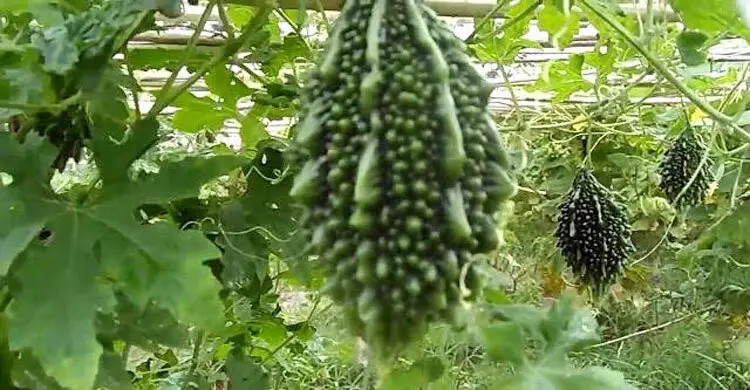
Uchchhe or karola (bitter gourd) is bitter in taste but a nutritious vegetable. It does not sell cheaply and is available in the market all year. It has medicinal qualities. Bitter gourd is grown in almost every district of the country. It used to be grown in summer, the Kharif season, but can now be grown all year round.
Soil and climate
Well-drained loam and sandy loam soils rich in organic matter are good for bitter gourd. It does not do well in shade. It can be grown in almost any soil where water does not stand.
Bangladesh's weather suits bitter gourd, which grows well in warm, humid conditions. It is a crop suited to a warm, humid climate and tolerates adverse conditions; it can yield even in fairly dry weather. But it cannot tolerate waterlogging, and heavy rain can disrupt pollination.
Sowing and care
Bitter gourd can be planted at any time of year, but it does best in the Kharif season, that is, summer and the monsoon. Sowing from February to May gives good yields. Before sowing, soak the soil well with water, and transplant 15-20-day-old seedlings in the afternoon of the next day. Seedlings must be planted with their ball of soil, and the pit then watered.
The most harmful pest of bitter gourd is the fruit borer. To protect the crop, spray a good insecticide on the plants from time to time. Once seedlings emerge, irrigate when the pit (mada) dries out. If the soil crusts after irrigation, loosen it with a weeder and clear the weeds. Some shoots grow from the base of the plant; breaking them off increases yield.
Fertiliser
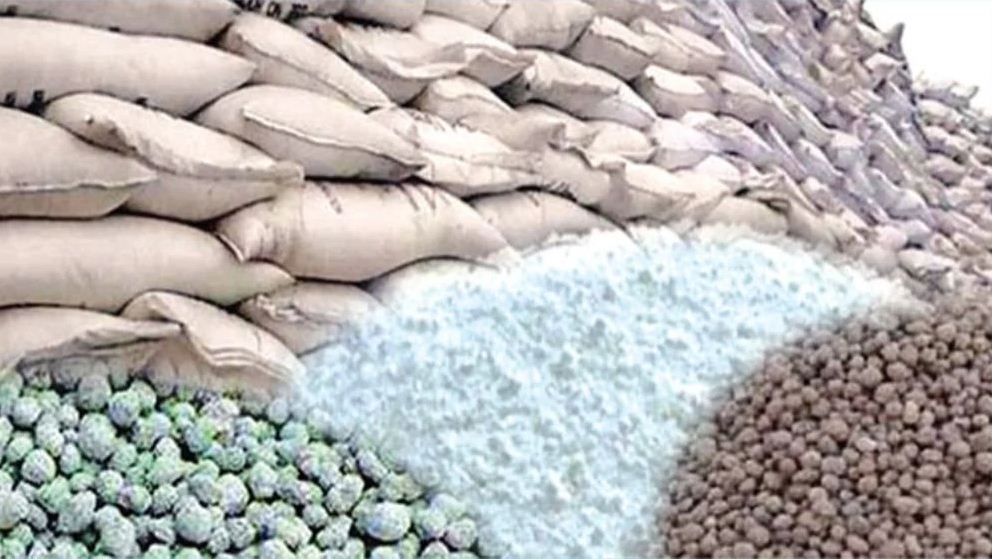
Urea and MoP fertiliser should be top-dressed in four instalments: the first 10 days after transplanting or germination, the second after 35 days, the third after 55 days and the fourth after 75 days. Apply 10-15g of urea and 10-15g of MoP per pit in each instalment.
Harvest and yield
Bitter gourd plants start fruiting 45-50 days after germination. The fruit is ready to eat within 15-20 days of pollination of the female flowers. Once harvesting begins, it continues for up to two months. With improved methods, yields of 7-10 tonnes per hectare (30-40kg per decimal) can be achieved.
Source: Jagonews24. First published in Bengali on The Agro News.


Comments
(0)