
Four years after nations agreed to protect 30% of the planet's land and sea by 2030, roughly 20% of land and 10% of the ocean is protected, according to the 30x30 Global Assessment 2026, Dialogue Earth reports ahead of the next UN biodiversity summit in Yerevan, Armenia.
Supporters say the goal can do more than save ecosystems: it can cut carbon emissions, safeguard food and water supplies and reduce the risk of future pandemics. Some regions are close: Latin America has protected 29% of its land and 26% of its ocean, and Oceania 24% and 41%. The Seychelles leads on land at 68%, while Monaco and Palau report 100% ocean protection. Libya, Eritrea and Somalia have yet to protect any land.
Even if countries speed up, the assessment projects coverage reaching only 29% on land and 26% at sea by 2030. "The ocean is the critical gap," said Brian O'Donnell of the Campaign for Nature, which produced the report; existing government commitments would raise ocean protection only from 10% to 12%, and just 3.5% is fully or highly protected.
Some protections have been rolled back. Australia reduced protection across more than 740,000 square kilometres of its Coral Sea marine park in 2018, and in the past two years the United States has allowed fishing in all five of its Marine National Monuments.
How well protected areas work is a further question. A team led by Ella Clausius of the University of Tasmania compared fish biomass in 552 marine protected areas with what would be expected without protection and concluded that at best a quarter deliver meaningful conservation. If that held beyond reefs, less than 2% of the ocean would be effectively protected. Clausius said area coverage is useful as a goal but not as a measure of success.
Steven Guilbeault, until recently Canada's environment minister, said the 30% target still has value and is within reach because targets focus governments' minds.
The report was written by Daniel Cressey for Dialogue Earth.
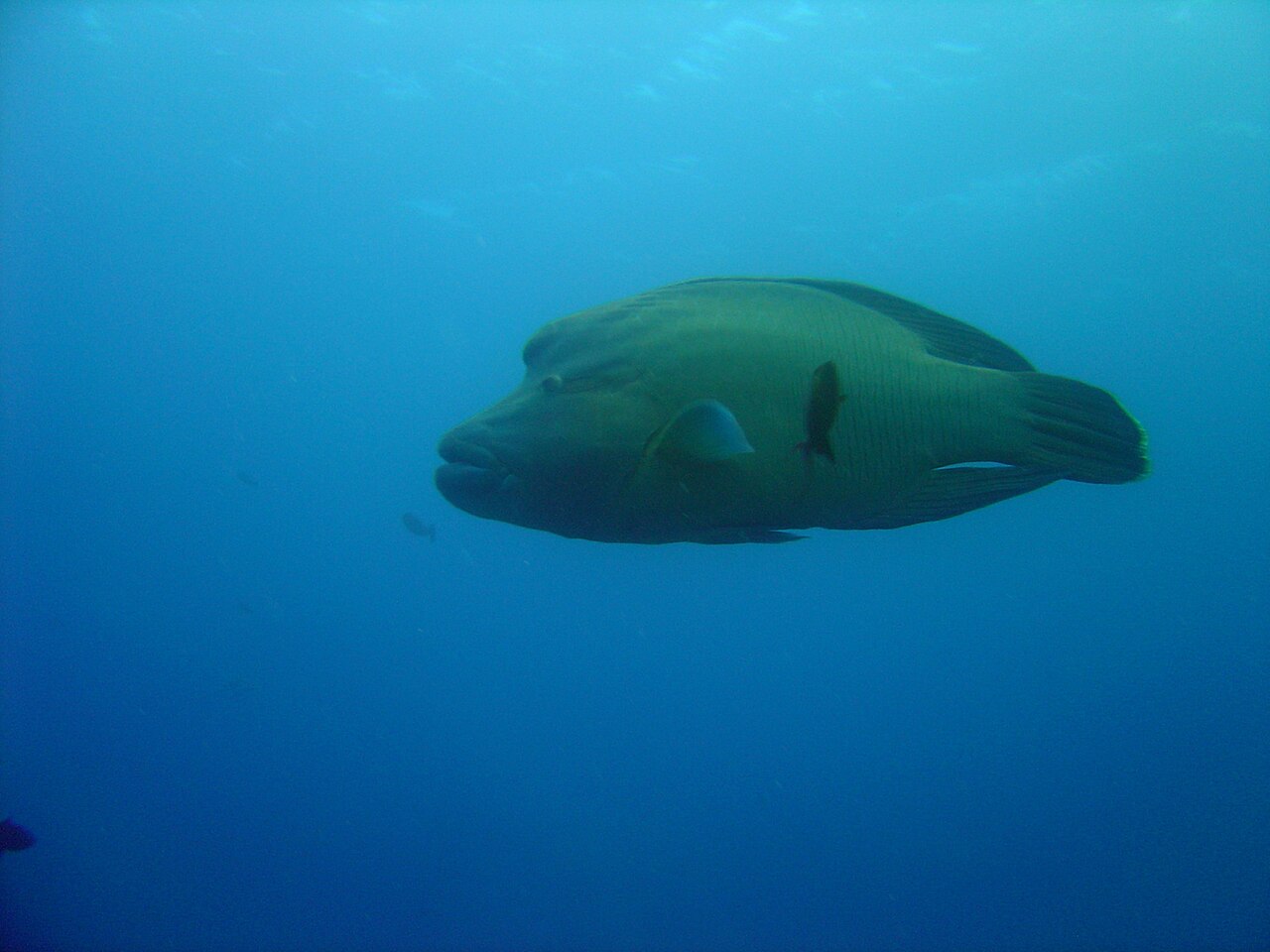
Photo: NOAA Photo Library (David Burdick) / Wikimedia Commons (public domain)
Source: Dialogue Earth
Comments
(0)