
To mark the International Day for Biological Diversity, a new environmental organisation, Bengal Peace Foundation, held a 'Walk for Biodiversity' and an open photo exhibition titled 'Bangladesh's Unseen Biodiversity' in Dhaka on Friday, 22 May 2026. The two events were the organisation's formal launch. The co-organiser was the environmental group Dharitri Rokkhay Amra (DHARA). Jagonews24 reported the event on 23 May; Prothom Alo and Dhaka Mail had covered it the previous day.
A morning walk and an afternoon exhibition
According to the published reports, members of the organisation set off from Ramna Park at 7.30am. They walked across the city and ended at the National Botanical Garden in Mirpur, widely known simply as the Botanical Garden. The walk was billed as 'Walk for Biodiversity'.
From 4pm, the exhibition 'Bangladesh's Unseen Biodiversity' opened at the Sanjeev Chowdhury square of the Teacher-Student Centre (TSC) at the University of Dhaka. It showed 100 photographs taken by four wildlife photographers. Dhaka Mail reported that the pictures showed rare wildlife and plants from different parts of Bangladesh. The exhibition was open to all, and the organisers said it would stay open to the public at TSC on the following day, Saturday.
Journalists, photographers, environmental activists and members of the public attended the opening. None of the published reports named the four photographers or described individual pictures and the places where they were taken, so they are not given here either.
What the speakers said
The writer and mountaineer Ikramul Hasan Shakil attended the exhibition. According to Jagonews24, he said: "At the root of this global warming is a terrible crisis of biodiversity across the world. Indiscriminate felling of trees and the hunting of animals important to the environment are pushing us towards a frightening world."
Prothom Alo and Dhaka Mail reported that he welcomed Bengal Peace Foundation's initiative and said such an event would greatly encourage people to protect biodiversity.
Masfiqul Hasan Toni, executive director of Bengal Peace Foundation, said: "We wanted to spread a message of awareness to people. Because of some intolerant people, the biodiversity of the whole country is under threat. Out of that responsibility, we organised this walk to conserve biodiversity, raise environmental awareness and awaken a sense of responsibility towards nature." The published reports did not say which incidents or which people he had in mind when he spoke of threats to biodiversity.
The two organisers
Prothom Alo described Bengal Peace Foundation as a 'new environmentalist organisation'. Its formal launch came with the walk and exhibition of 22 May, so the reports of that day carry no record of earlier activity. Its executive director is Masfiqul Hasan Toni.
The co-organiser, Dharitri Rokkhay Amra (DHARA, roughly 'We, for Protecting the Earth'), was launched on 11 January 2024 at a press conference at the National Press Club in Dhaka. Prothom Alo reported that day that it began with a five-member advisory committee chaired by Sultana Kamal and a 13-member convening committee, with Rasheda K Choudhury, executive director of the Campaign for Popular Education, as convener and Sharif Jamil, coordinator of Waterkeepers Bangladesh, as member secretary.
At the launch, the convener said that environmental disaster, climate change and an ecological crisis had been having negative effects in Bangladesh for decades, and that DHARA had grown out of the need to build a large social force, together with everyone, to face that crisis. The group said it would work with local environmental activists in the capital and across the country to protect rivers and the environment.
DHARA adopted an 11-point plan of action at the time. It included organising people and groups working on the environment, joint initiatives with the government and others to keep the earth free of pollution, pressing for suitable policies and laws and their enforcement, organising affected people and communities, strengthening regional and global environmental and climate movements, and planning and supporting research to keep rivers, water bodies, forests and air free of encroachment and pollution.
Why 22 May, and the 2026 theme
The text of the Convention on Biological Diversity (CBD) was adopted at a conference in Nairobi, Kenya, on 22 May 1992. The International Day for Biological Diversity is held on that date every year to commemorate it. The UN General Assembly proclaimed the day in its resolution 55/201.
According to the CBD Secretariat, the convention was opened for signature at the Earth Summit in Rio de Janeiro, Brazil, on 5 June 1992 and had received 168 signatures by 4 June 1993. It entered into force on 29 December 1993, 90 days after the 30th ratification. Its three objectives are the conservation of biological diversity, the sustainable use of its components, and the fair and equitable sharing of the benefits arising from the use of genetic resources.
In March 2026 the CBD Secretariat announced the theme for the year: 'Acting locally for global impact'. In the Secretariat's words, success in halting and reversing biodiversity loss hinges on the world's ability to leverage the vital tapestry of local action in support of government-led action. It called for a 'whole-of-society approach', in which Indigenous peoples and local communities, sub-national governments, cities, women's and youth groups, businesses and civil society organisations contribute alongside governments.
The theme set out responsibilities on both sides. Governments were asked to create conditions for the inclusive and meaningful participation of all actors and to give them access to National Biodiversity Strategies and Action Plans (NBSAPs). Non-governmental actors were asked to take part in government-led processes and to pursue initiatives aligned with the global biodiversity framework. The CBD noted that the 2026 day fell five months before the 2026 UN Biodiversity Conference in Armenia.
The Kunming-Montreal framework and Bangladesh's commitments
The Kunming-Montreal Global Biodiversity Framework was adopted in December 2022 at the fifteenth meeting of the Conference of the Parties to the CBD (COP15). It has four goals for 2050 and 23 targets for 2030, and its long-term vision is a world living in harmony with nature by 2050. The 2026 campaign for the day asked people to link local initiatives to these 23 targets.
Target 3 calls for at least 30 per cent of land, inland waters and coastal and marine areas, especially areas of particular importance for biodiversity and ecosystem functions and services, to be effectively conserved and managed by 2030 through protected areas and other effective area-based conservation measures, while recognising and respecting the rights of Indigenous peoples and local communities. Target 2 calls for the restoration of 30 per cent of degraded ecosystems. Target 4 calls for urgent management action to halt the human-induced extinction of known threatened species and for the management of human-wildlife conflict.
The target closest to exhibitions and awareness events is Target 21. It asks that the best available data, information and knowledge be made accessible to decision makers, practitioners and the public, to strengthen communication, awareness-raising, education, monitoring, research and knowledge management. The same target says the traditional knowledge of Indigenous peoples and local communities should be accessed only with their free, prior and informed consent.
According to the CBD's country information, Bangladesh has been a party to the convention since 1 August 1994, by ratification. It became a party to the Cartagena Protocol on Biosafety on 5 May 2004 and to the Nagoya Protocol on access and benefit-sharing on 10 April 2023.
Bangladesh completed its first National Biodiversity Strategy and Action Plan in 2004. It contained 16 strategies and identified 128 action programmes to carry them out in the short, medium and long term. The strategies covered the conservation of ecosystems, species and genetic resources, restoration of degraded areas, invasive alien species, benefit-sharing, awareness-raising and capacity-building, traditional knowledge, protected area management, wetlands, and the participation of the private sector, civil society and local communities.
A global crisis in numbers
On 6 May 2019 the Intergovernmental Science-Policy Platform on Biodiversity and Ecosystem Services (IPBES) released the main findings of its Global Assessment. It was prepared by 145 expert authors from 50 countries, who reviewed some 15,000 scientific and government sources. It found that around 1 million species were threatened with extinction, and that human activity had significantly altered 75 per cent of the land-based environment and 66 per cent of the marine environment.
IPBES ranked five direct drivers of nature loss by their impact: changes in land and sea use, direct exploitation of organisms, climate change, pollution and invasive alien species. The tree-felling and hunting mentioned by the speaker at TSC fall under the first two. When the report was released, the IPBES chair, Sir Robert Watson, said: "The health of ecosystems on which we and all other species depend is deteriorating more rapidly than ever," and called for 'transformative change'.
The UN's page for the day, drawing on the same assessment, states that 1 million of the world's estimated 8 million species are threatened with extinction. It adds that plants provide over 80 per cent of the human diet, that fish supply about 20 per cent of the animal protein eaten by some 3 billion people, and that around 80 per cent of people in rural areas of developing countries rely on traditional plant-based medicines.
Bangladesh's biodiversity and its Red List
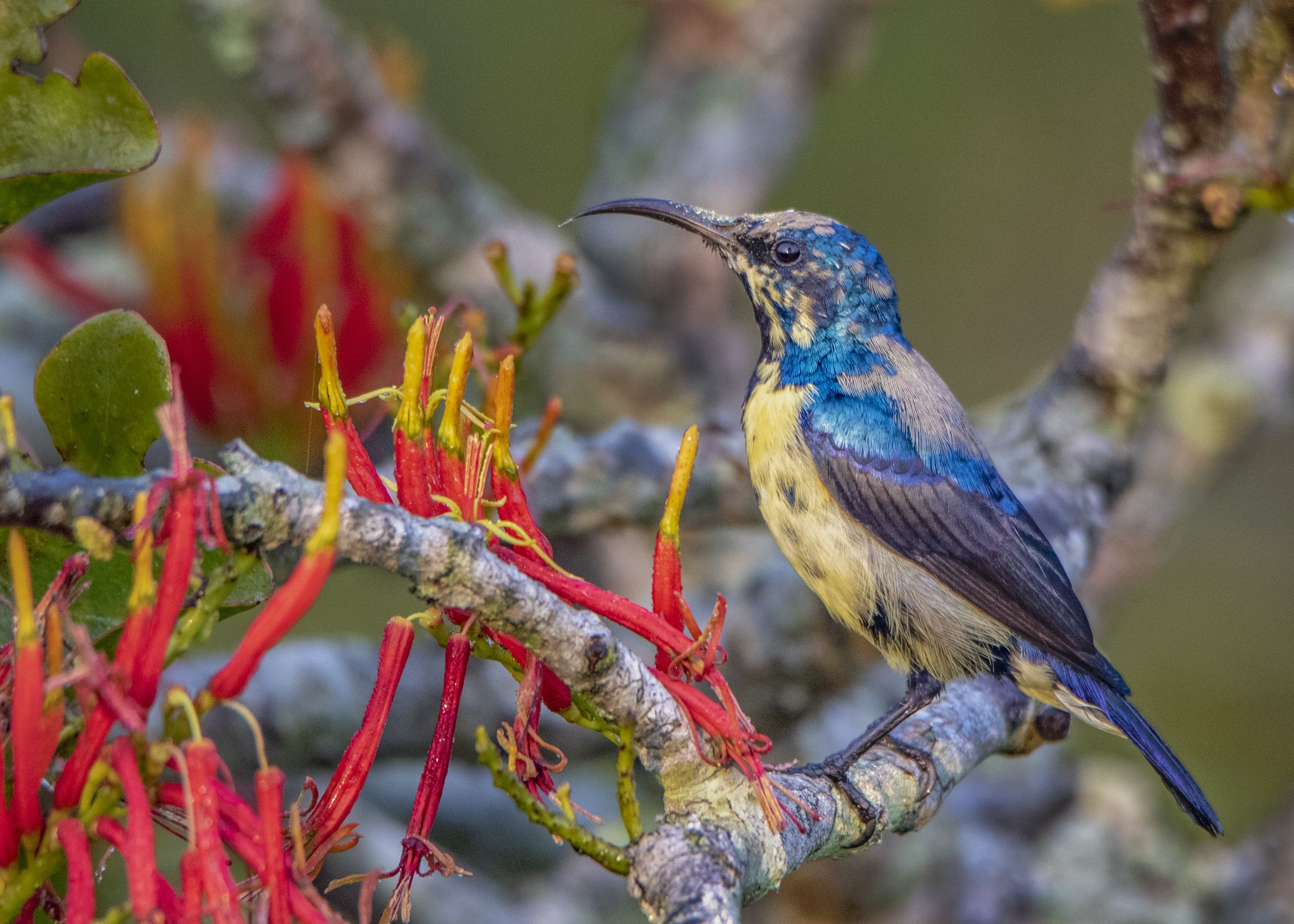
The CBD's country profile describes Bangladesh as one of the biodiversity-rich countries in the world and names five broad ecosystem types: coastal and marine, inland freshwater, terrestrial forest, hill, and man-made homestead ecosystems. Hill ecosystems cover about 12 per cent of the land. The profile calls haor wetlands the country's most important natural ecosystem and names Hakaluki Haor as the largest haor, supporting one of the country's largest inland fisheries. It also notes that some 6,000 varieties of rice are known to have existed in the country.
The profile lists direct threats such as changes in land use, habitat destruction and the introduction of invasive alien species, and indirect ones such as unsustainable exploitation of resources, weak management and insufficient public awareness. It calls habitat loss the single largest threat to biodiversity.
The Forest Department and IUCN Bangladesh jointly updated the country's Red List of animals; the 2015 list was launched in Dhaka on 22 June 2016. It assessed 1,619 species in seven groups: mammals (138), birds (566), reptiles (167), amphibians (49), freshwater fish (253), crustaceans (141) and butterflies (305). A total of 160 biologists were trained to carry out the assessment.
The assessment classed 390 species as threatened: 56 Critically Endangered, 181 Endangered and 153 Vulnerable. It listed 31 species as Regionally Extinct, against 13 in the 2000 list. Prothom Alo English reported in 2016 that these included 19 birds, 11 mammals and one reptile. For 278 species there were too few data to judge the risk of extinction. At the same time, the work recorded 14 animal species in Bangladesh for the first time, six of them mammals.
The best-known symbol of the country's wildlife is the Bengal tiger of the Sundarbans. Mongabay reported in October 2024 that the 2023-24 survey counted 125 adult tigers in the Bangladesh Sundarbans, up from 114 in 2018 and 106 in 2015. The survey used 1,210 cameras at 605 locations. Of the Sundarbans' total 10,277 square kilometres, 6,017 lie in Bangladesh. The survey report named the poaching of tigers and of their main prey, the chital deer, and unauthorised harvesting of forest resources by some local people as the main threats in the Satkhira area.
Laws and protection
The Bangladesh Biodiversity Act, 2017 governs the conservation of biodiversity, the sustainable use of its resources and the fair sharing of the benefits of their use. According to the summary in ECOLEX, the environmental law database run jointly by FAO, IUCN and the UN Environment Programme, the act provides for a National Biodiversity Committee, a Technical Committee on Biological Diversity and Biodiversity Management Committees. Its aims include protecting wild species and ecosystems, involving local communities, safeguarding traditional knowledge and the rights of Indigenous peoples, and setting up access and benefit-sharing arrangements.
For wildlife, the interim government issued the Wildlife (Conservation and Security) Ordinance in January 2026. bdnews24.com reported on 9 January that it set a prison term of two to seven years and a fine of Tk 1 lakh to Tk 10 lakh for hunting a tiger or an elephant, rising to up to 12 years and Tk 15 lakh for a repeat offence. It banned commercial establishments and brick kilns within 2 kilometres of a protected area, made consultation with local communities mandatory when the boundaries of sanctuaries and national parks are drawn, and made it an offence to advertise wildlife for sale on social media or to publish videos of cruelty to wild animals.
When the draft was approved by the Advisory Council, Prothom Alo reported on 6 December 2025 that it brought 1,599 species of plants and animals under protection, including 100 tree species important as wildlife habitat. Under the earlier law only the killing of tigers and elephants was a non-bailable offence; the new provisions made the killing of 250 more wildlife species non-bailable too. The Forest Department said about 70 experts had worked on drafting the ordinance.
The CBD's country profile also lists several protection measures. Tanguar Haor has been declared a Ramsar site and fish sanctuary; Hakaluki and Hail haors are protected for migratory birds; a marine park has been set up at St Martin's Island, the country's only coral-bearing island; Nijhum Dwip and Sonadia Island are protected as shorebird sites; and the Department of Environment has declared areas important for biodiversity as Ecologically Critical Areas (ECAs).
The route: from Ramna to the Botanical Garden
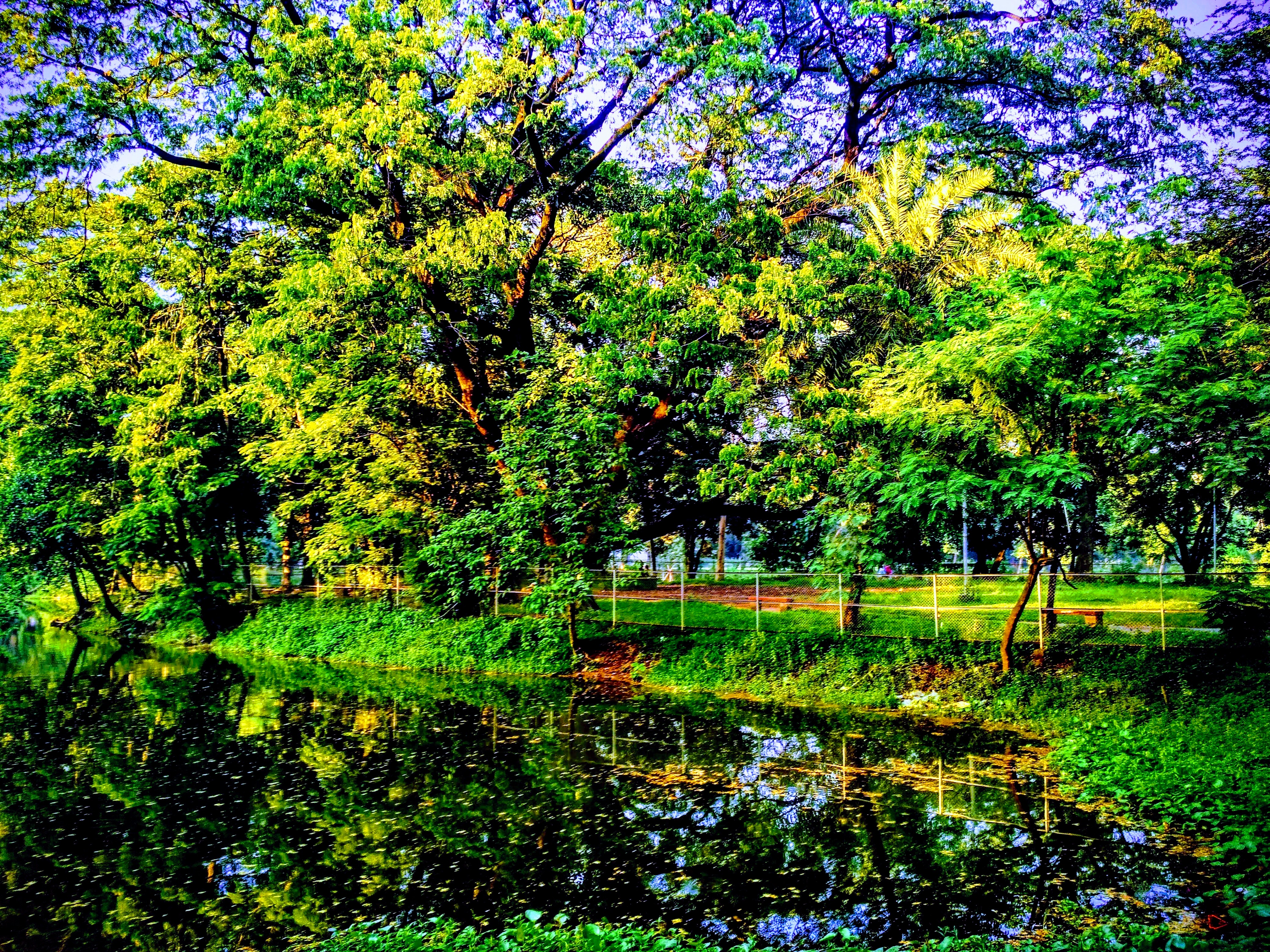
The walk began at Ramna Park in central Dhaka. The park covers 68.50 acres, with a lake of about 8.76 acres. In 1908 R.L. Proudlock of the Royal Botanic Gardens, Kew, in London, designed the landscaping, and the park was formally inaugurated in 1949. The Public Works Department redesigned its layout in 1952. The park has 71 species of flowering plants, 36 species of fruit trees, 33 species of medicinal plants and 41 species of forestry plants.
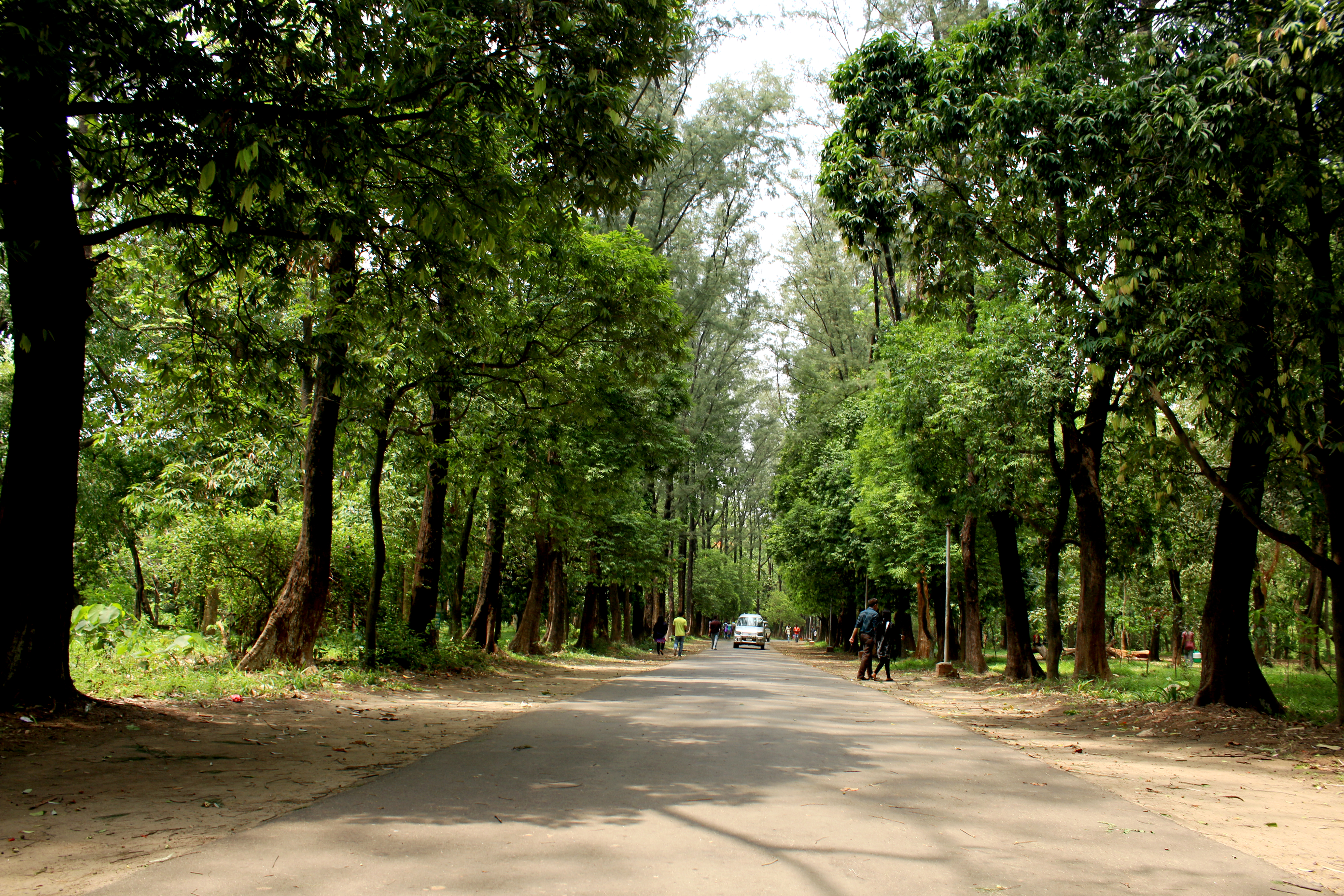
The walk ended at the National Botanical Garden in Mirpur. Established in 1961, the garden covers 84 hectares, about 210 acres. It is divided into 57 sections and holds some 56,000 trees, herbs and shrubs. It is managed by the Forest Department. Together with the Bangladesh National Herbarium, which holds about 100,000 preserved plant specimens, it forms the largest plant conservation centre in the country. The garden lies beside the National Zoo, and Baldha Garden in Wari, Old Dhaka, is administratively part of it.
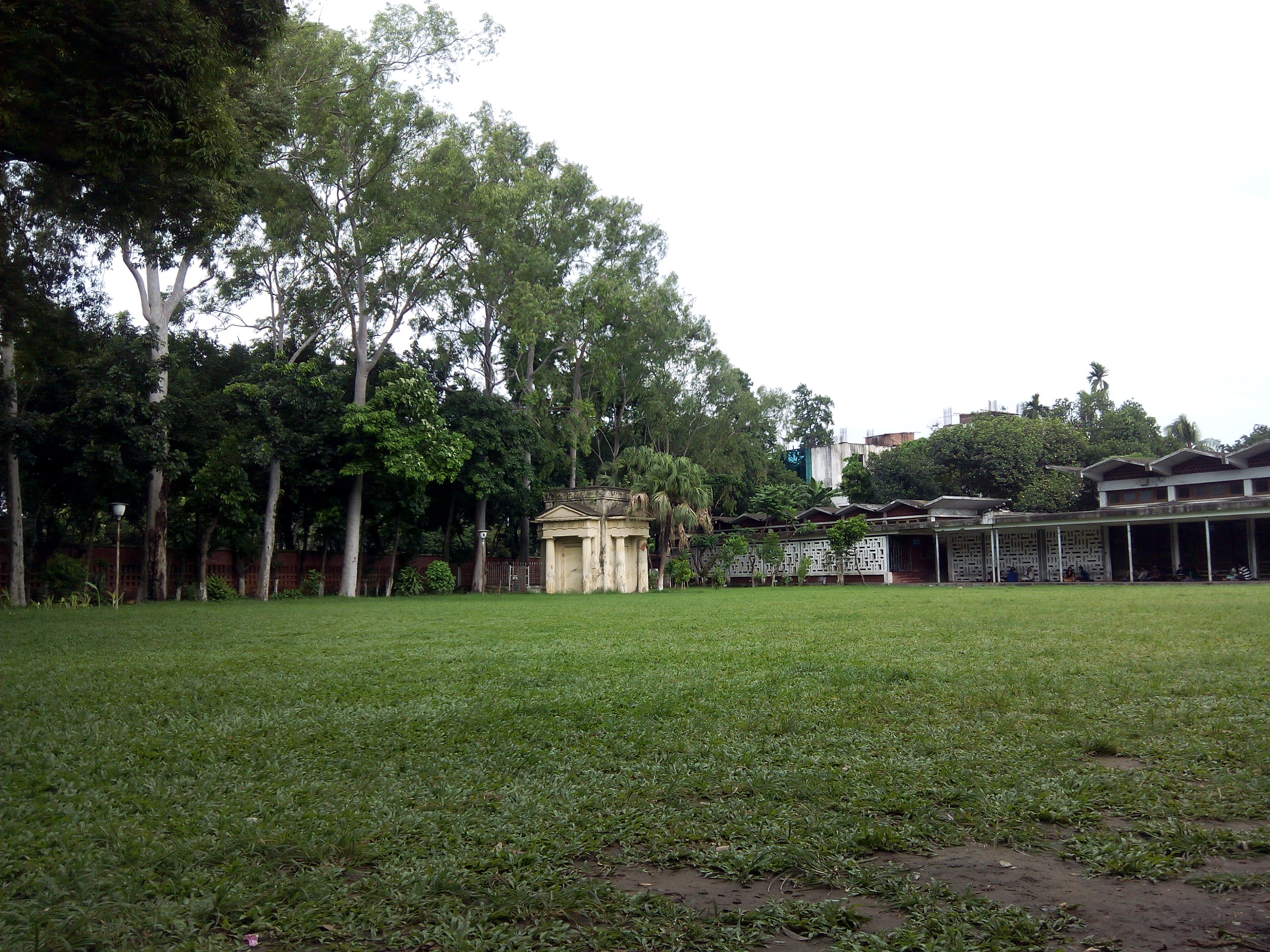
The exhibition venue, TSC, is the Teacher-Student Centre of the University of Dhaka. Designed by the Greek architect Constantinos Doxiadis, it was completed in 1961 and is known for its butterfly-shaped canopy. It houses an auditorium, meeting rooms, libraries, art and music rooms, game rooms and the offices of student groups such as the blood donors' organisation Badhan, the debating society and the film society. The photographs were set out in one of its courtyards, the Sanjeev Chowdhury square, on the afternoon of 22 May.
Photo: Salim Khandoker / Wikimedia Commons (CC BY-SA 4.0)
Sources: Jagonews24, Prothom Alo, Dhaka Mail, Convention on Biological Diversity (CBD) Secretariat, United Nations, IPBES, IUCN Bangladesh, Prothom Alo English, Mongabay, bdnews24.com, ECOLEX (FAO), Wikipedia



Comments
(0)