
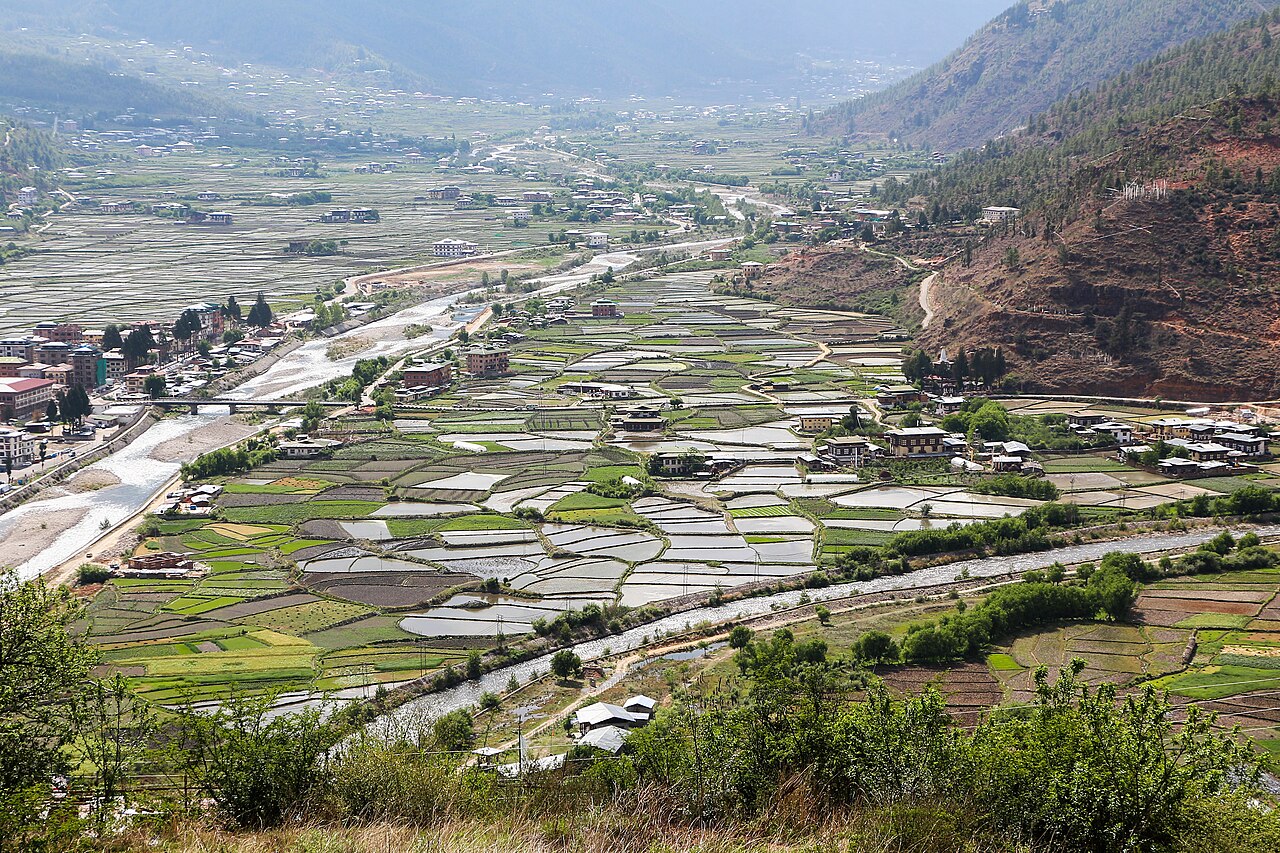
Two young women in Bhutan are using daily farm videos on TikTok and YouTube to interest their generation in farming. Ajker Patrika, citing a Nikkei Asia report of 1 November, says their work has revived debate about the future of the country's agriculture and rural economy.
Sonam Jam Pop, a 25-year-old farmer in the Paro valley of western Bhutan, posts every task from sowing to lifting potatoes on TikTok, where thousands watch, and her English-language YouTube channel, Sonam's Village Diary, has passed 2,300 subscribers. Many young people do not see farming as a proper livelihood, she says, and she started the videos to change that. As the only daughter among five children, she took on her elderly parents and the family farm, and came to love the work.
Pasang Om, 28, from Bajo, started on social media to promote her family's homestay but now champions farming. She has more than 20,000 followers on TikTok and about 1,770 subscribers on YouTube; videos of planting mustard greens, weeding paddy or watering summer vegetables are her most popular. Her homestay feeds guests from the surrounding fields, and tour companies have contacted her after seeing the videos.
According to the UN Food and Agriculture Organization (FAO), agriculture provides 15 percent of Bhutan's GDP. But more young people are leaving for towns or abroad in search of better jobs; Pasang says nobody her age is left in her village. The result is a shortage of workers in farming and other sectors, and in 2025 the government adopted a strategy to create attractive jobs for young people and slow the drift from the villages.
Tashi Dorji, director of the Department of Agricultural Marketing and Cooperatives, believes foreign investment in farming and new healthy-food ventures could help the rural economy. At a food-systems conference in Paro, Prime Minister Tshering Tobgay said explaining the importance of farming would not bring young people in; they had to be shown its opportunity, dignity and future.
Sonam Tashi, an associate professor of agriculture at the Royal University of Bhutan, sees the videos as a positive step that raises awareness, shares experience and attracts a new generation. Farming, Sonam Jam Pop says, is like a teacher: it teaches patience, resilience and self-reliance, and if young people come to it as entrepreneurs it will become more profitable and sustainable.
Photo: Bernard Gagnon / Wikimedia Commons (CC BY-SA 4.0)
Source: Ajker Patrika

Comments
(0)