
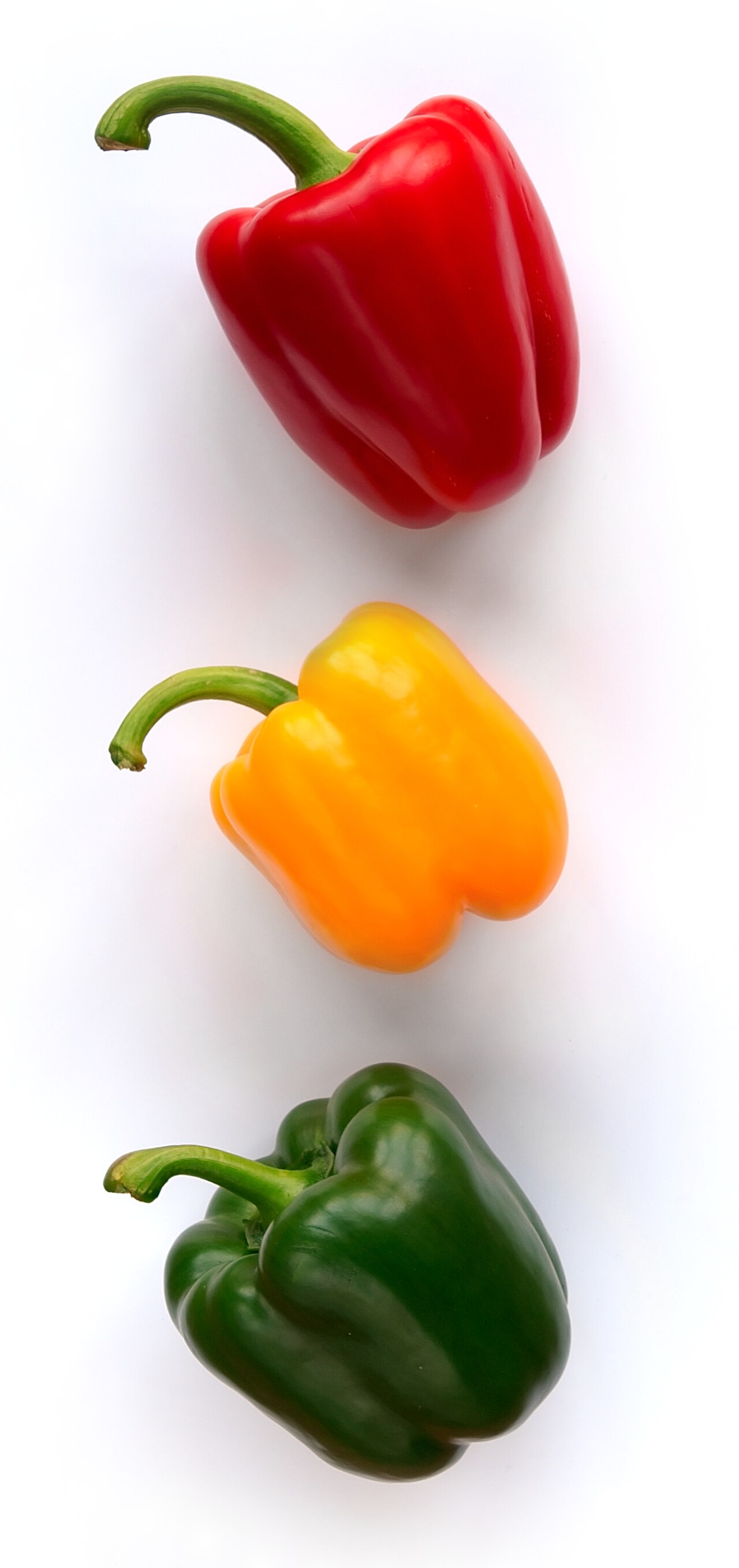
Markets sell red, yellow and orange capsicums alongside green ones, at different prices. Bangla Tribune's lifestyle desk explains that they are not separate varieties but the same fruit at different stages of ripening. It starts green on the plant and, as it ripens, turns yellow, orange and finally red, with some change in taste and nutrients along the way.
What Bangladesh calls capsicum is the bell pepper in America and shimla mirch in Hindi. Unlike ordinary chillies it is not hot, because it contains very little capsaicin, the compound behind a chilli's heat.
Green capsicum is picked less ripe, so it can taste slightly astringent or bitter and is firm. It carries vitamin C, fibre and antioxidants. Yellow and orange capsicums are sweeter and contain carotenoids such as lutein and zeaxanthin, which matter for eye health, though the piece cautions that eating any one colour will not by itself prevent eye disease or cataracts.
The ripest, red capsicum is the sweetest and juiciest. It contains the pigment capsanthin as well as vitamin C and beta-carotene, which the body uses to make vitamin A, needed for normal vision and immunity.
The price difference has a farming logic. Green capsicum can be harvested earlier and is usually cheaper; red takes longer to ripen on the plant, which raises production costs. Yellow and orange prices move with growing costs, supply and demand. The idea that a capsicum with three lobes underneath tastes or nourishes differently from one with four has no scientific basis; the number depends on the plant.
Capsicum can be eaten raw in salads or lightly cooked in a little oil; long cooking can reduce heat-sensitive nutrients such as vitamin C. The advice is to rotate all the colours, and to buy fresh capsicums even if they are slightly misshapen.
Photo: Bell peppers (Capsicum annuum) from three cultivars, Luc Viatour / Wikimedia Commons (CC BY-SA 3.0)
Source: Bangla Tribune


Comments
(0)