
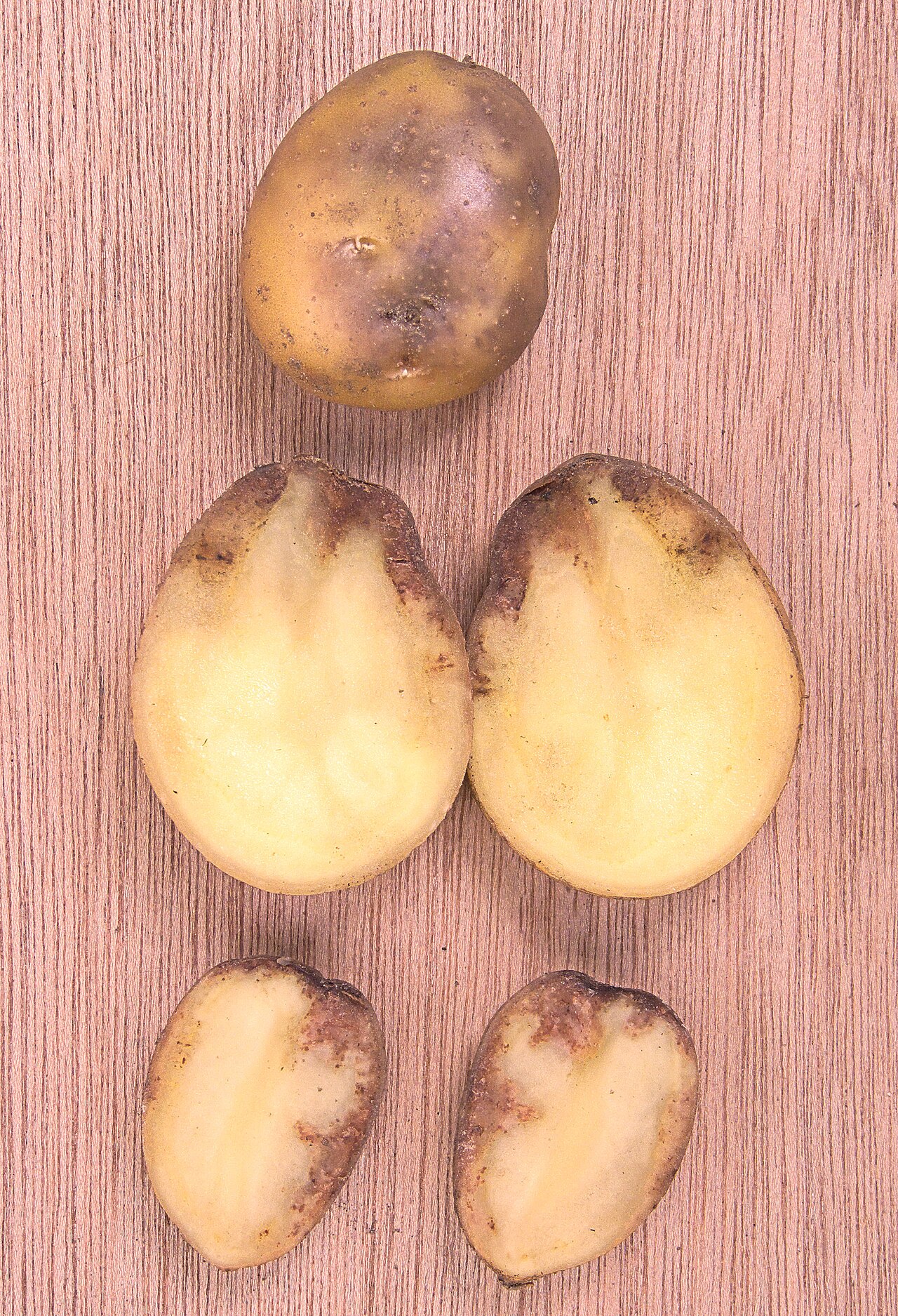
Researchers, agricultural institutions and potato-sector partners have launched the AfricaBlight Network, an African-led effort to coordinate the continent's response to late blight, one of the most destructive diseases of potatoes. The network was launched on 27 October at the 13th World Potato Congress in Naivasha, Kenya, and inaugurated by Dr Peter VanderZaag, President of the World Potato Congress, the International Potato Center (CIP) said.
Late blight, caused by Phytophthora infestans, is estimated to cost between US$3 billion and US$7 billion a year worldwide. It hits hardest where farmers have little access to resistant varieties, reliable disease forecasts and effective crop protection. Besides cutting yields, it raises costs: farmers lean heavily on fungicide sprays, and CIP says fungicide spending can equal 10 to 25 percent of the total value of a potato harvest.
The network is modelled on established regional groups, AsiaBlight, Tizón Latino in Latin America and EuroBlight. Its first priority countries are Kenya, Rwanda, Ethiopia and Eritrea. It plans to name national coordinators and partners, promote knowledge exchange and joint research, widen access to weather-based disease forecasting, strengthen farmer training and explore partnerships for late blight surveillance and genotyping of the pathogen.
Disease monitoring will be coordinated with national programmes, including the Kenya Agricultural and Livestock Research Organization (KALRO). The partners named by CIP include the CGIAR Capacity Sharing Accelerator (CapSha), which will support South-South learning between Asia and Africa, Beijing Huisi Junda Technology Co., Ltd. (HSJD), the Belgian research and advisory organisation CARAH and the James Hutton Institute.
"Effective late blight management requires more than access to tolerant varieties and fungicides," said Dr Kalpana Sharma, CIP's Plant Health Lead. Dr Joyce Maru, CIP Regional Director for Africa, said the launch is an opportunity to bring countries and partners together.
No funding has been committed yet. CIP says keeping the network going will need resources for training, workshops, technical collaboration and national capacity, and that the network will approach national funding bodies, development partners and private companies. Through CapSha, the network is meant to learn from Asia, where the AsiaBlight network already works against the same pathogen.
Photo: Late blight on potato plants of the variety Doré, Rasbak / Wikimedia Commons (CC BY-SA 3.0)
Source: International Potato Center

Comments
(0)