
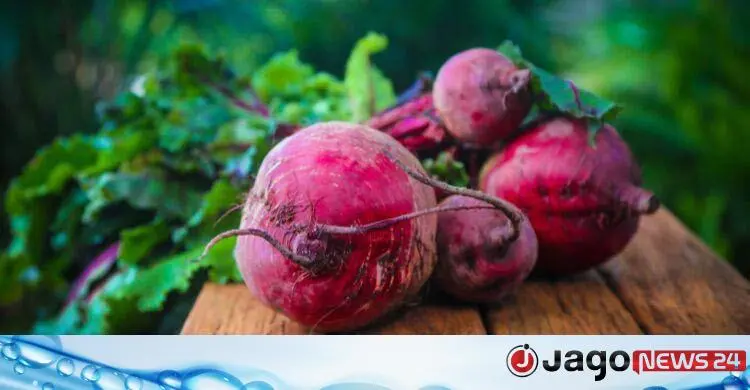
Deep pink beetroot is now very popular in health-conscious diets. Some eat it raw in salads, others in curries, soups, drinks or fried. But the question is whether beetroot is better raw, or whether cooking brings more benefit.
The case for raw
Raw beetroot keeps more of its vitamin C, folate, potassium and natural antioxidants. In particular, its nitrate turns into nitric oxide in the body, which helps widen blood vessels. So raw beetroot is more effective for controlling blood pressure, heart health and endurance during exercise.
Eaten as a salad or juice, these benefits come quickly. But raw beetroot can be heavy to digest for many people. For those with gas, acidity or a sensitive stomach, it can increase bloating or discomfort.
The case for cooked
Cooked beetroot, on the other hand, is relatively easy to digest. Lightly boiling or steaming softens the fibre and puts less strain on digestion. Cooking reduces the vitamin C somewhat, but much of the iron, folate and antioxidants remain. For people with digestive problems, children and the elderly, cooked beetroot is safer and more suitable.
However, frying beetroot in a lot of oil or cooking it for too long destroys much of its nutritional value, so it is better not to deep-fry it or cook it with too much chilli and spice. The best way is to eat it lightly boiled, steamed or briefly cooked.
Overall, raw beetroot is more nutritious for those with healthy digestion, while cooked beetroot is the better option for those with digestive problems. Alternating both in a regular diet gives the full benefit of beetroot.
Sources cited in the report: Harvard T.H. Chan School of Public Health, USDA FoodData Central, NHS UK.
Source: Jagonews24. First published in Bengali on The Agro News.


Comments
(0)