
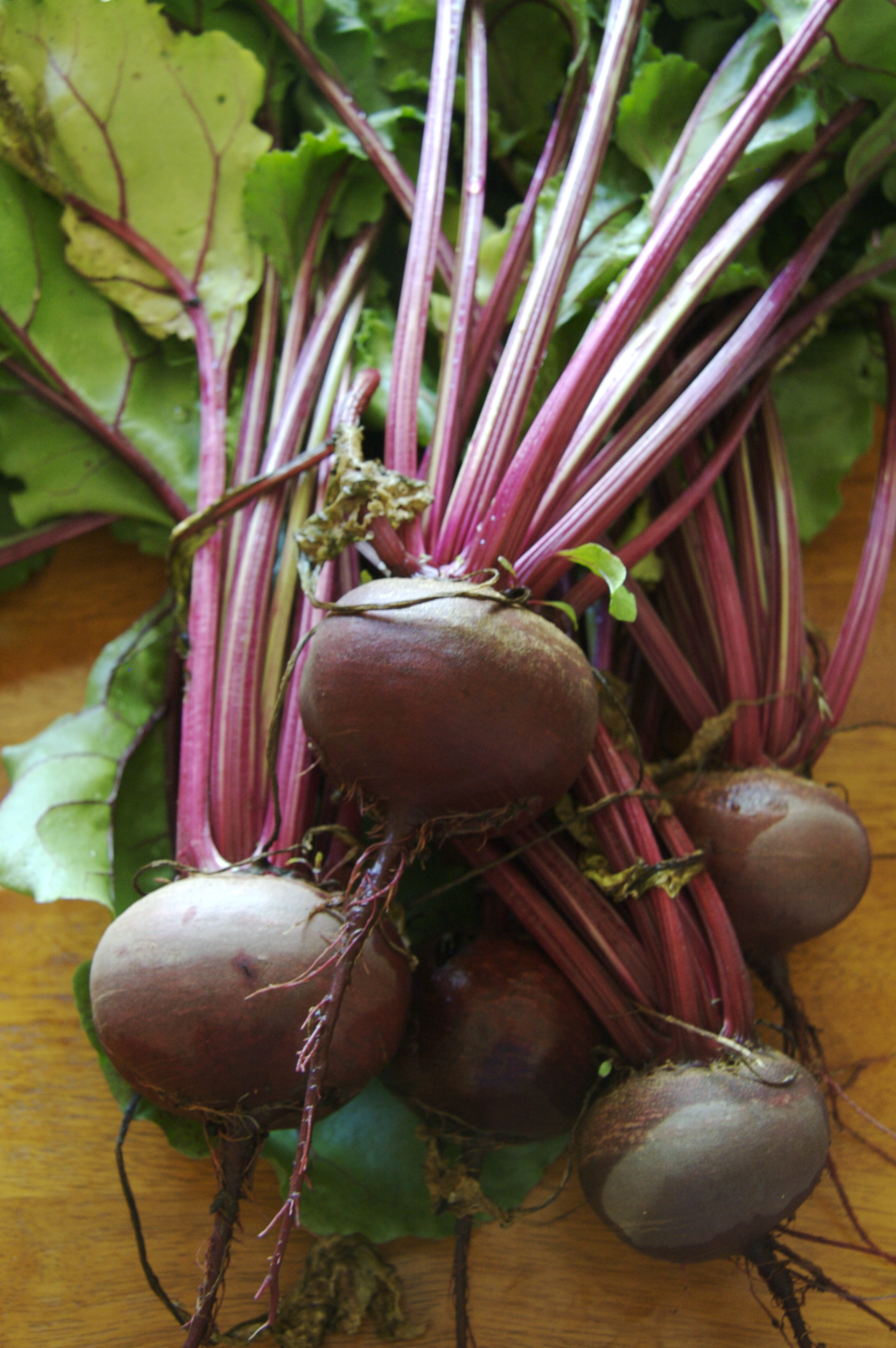
Beetroot contains natural nitrate, folate, potassium, vitamin C and various antioxidants, and eating it has been linked to possible benefits for blood pressure, circulation and exercise capacity. Nutritionist Nami Agarwal has also set out some benefits of keeping it in a regular diet.
Its nitrate helps the body produce nitric oxide, which can relax blood vessels slightly and support normal blood flow. For people who walk, run or exercise regularly, it may help oxygen delivery to muscles and endurance.
Its antioxidants and plant compounds may help counter oxidative stress and support normal liver function, but beetroot should not be relied on to treat liver disease. Folate supports cell growth and vitamin C the immune system.
Beetroot can be eaten raw in salads, boiled, cooked or in juices, but the whole vegetable is better than juice alone because it keeps the fibre. People with health conditions or on regular medication should consult a doctor or nutritionist before eating large amounts daily.
Photo: BriannaWalther / Wikimedia Commons (CC BY-SA 3.0)
Source: Samakal



Comments
(0)