
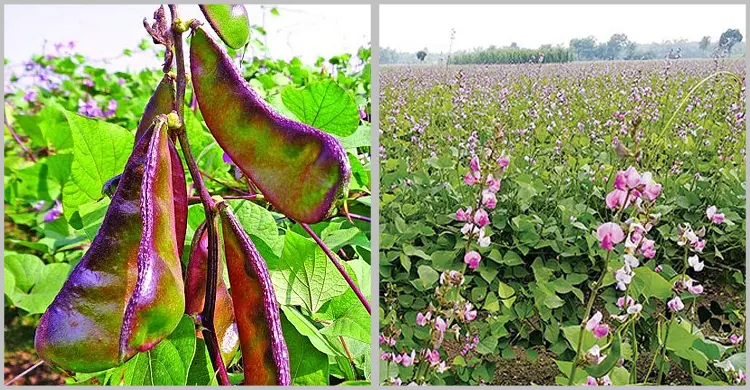
Beans grow plentifully in Bangladesh in winter and are a very popular vegetable. They are nutritious and tasty, and everyone likes them. With the right method and proper care, the yield is higher and the crop quite profitable. Although beans are a winter vegetable, they are now grown all year round.
Weeding, irrigation and fertiliser
Weeds around the bean seedlings must be cleared regularly with a weeder, and the soil around the base of the seedlings loosened from time to time. Beans can tolerate drought, but if the soil lacks moisture for want of rain, they must be irrigated.
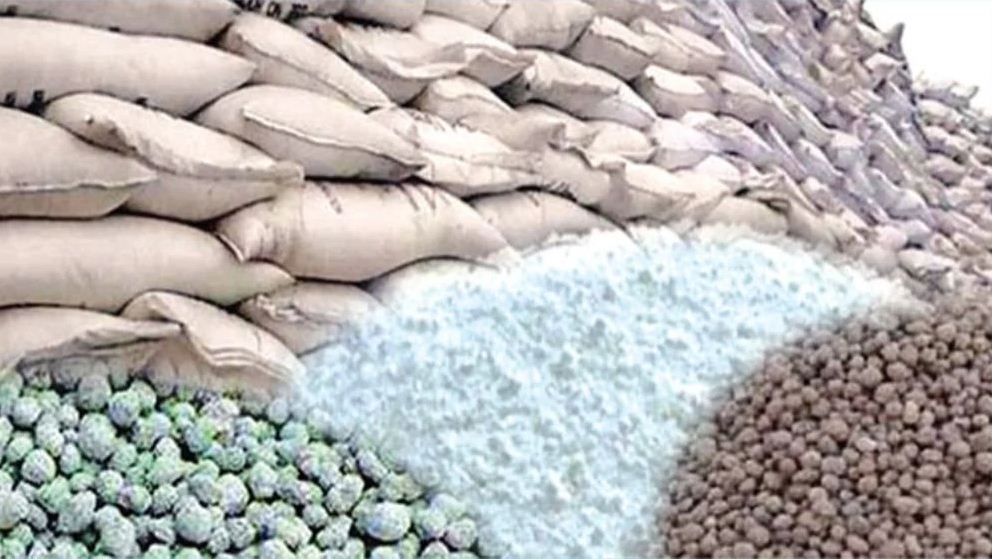
Top dressing is done in two instalments: the first a month after the seedlings emerge, the second when two to four flowers appear. Each time, apply 25g of urea and 25g of MoP per pit around the base of the plant, 10 to 15 centimetres from the stem, and mix it well into the soil.
If the soil is dry when fertiliser is applied, water it with a watering can.
Leaf spots and yellow mosaic
If black spots and blisters appear on the leaves of local beans, spray a mancozeb fungicide. If a plant has yellow mosaic, pull it up and burn it. The disease is caused by jassids or whiteflies, so spray the remaining healthy plants with an imidacloprid or fenthion insecticide to control them.
Foot and root rot
For root rot, pull up affected plants and spray the remaining plants and the soil thoroughly with a carbendazim fungicide. Foot and root rot usually appears at the start of the monsoon or when water collects at the base after heavy rain, but it can also strike when humidity and temperatures rise.
The disease can occur at any stage of growth. Reddish-brown spots appear on the stem just above the soil, gradually spread and, if severe, reach the roots. The affected part slowly dries up, the plant weakens, the yield falls and the plant sometimes dies.
Seedlings die if they are infected. Spraying the other healthy plants, especially at the base, with a copper fungicide or home-made Bordeaux mixture two to three times at seven-day intervals gives good results.
Rust
Mosaic or rust is seen in older local bean plants. It is a fungal disease that appears at the start of the month of Magh, especially if there are a couple of showers or heavy fog.
Rust attacks the leaves, especially the older lower leaves, as well as the stems, shoots and sometimes the pods. Small brownish-grey spots appear on the leaves, then grow larger, become round or angular and turn dark brown, and finally the large spots turn black.
The spots usually cluster together and often merge into large patches. The best remedy is to grow resistant varieties; BARI and IPSA beans are resistant to the disease. Once a plant is infected, the disease cannot be controlled, and the plant must be pulled up and burnt.
Source: Jagonews24. First published in Bengali on The Agro News.
Comments
(0)