
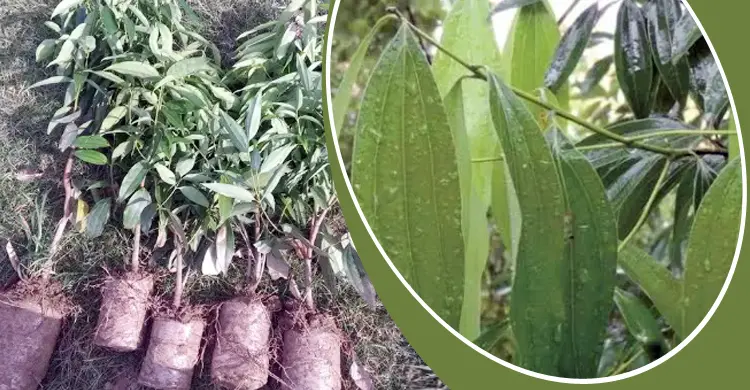
Bay leaf (tejpata) is not only a cooking spice; it also has many medicinal properties. It is valued for curing loss of appetite, healing gum sores and treating skin diseases. Bay leaf is also used to make cosmetics, and fragrant oil and soap are made from the bark of the tree.
Many farmers now grow bay leaf in the hope of good profits, and because of strong market demand some are growing it commercially. But to earn more, it must be grown following the correct methods.
Soil and planting
Sandy loam soil is good for bay leaf, and the land must be high. Besides sandy loam, bay leaf can be grown in almost all types of soil. The period from Baishakh to Asharh is ideal for planting.
Seedlings should be planted in pits. The right time to plant is when the land is in shade. Seedlings should always be planted upright. If a seedling dies, it should be removed and a new one planted. Bay leaf seedlings are mainly raised from seed. After planting, shade must be arranged in the area, and large trees should be planted there if needed. The land should be watered after planting.
Fertiliser, water and weeding
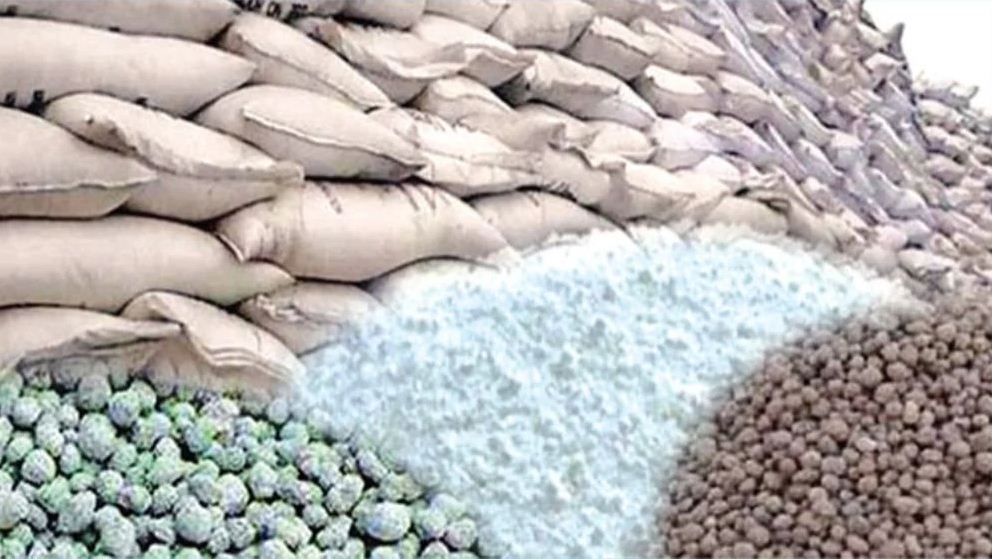
With the right amount of fertiliser, yields will naturally rise. Apply 50 kg of cow dung, 150 grams of urea, 150 grams of TSP and 150 grams of MOP. In addition, at planting each pit should get 100 grams of TSP and 10 grams of ash.
In the dry season the land needs adequate irrigation, and care must be taken that plants do not die for lack of water. Proper drainage is also needed.
Weeds in a bay leaf plot should be cleared immediately, as they can rob the trees of nutrients. A bay leaf tree should be cut down when it is 8 to 9 years old.
Diseases
Bay leaf trees mainly suffer from leaf blight and leaf gall. Leaf blight is caused by a fungus and mainly affects young leaves. When it appears, Tilt mixed with water should be sprayed on the trees.
Source: Jagonews24. First published in Bengali on The Agro News.


Comments
(0)