
Ontario soybean growers will have a new weed-control option for the 2027 season after BASF launched Zidua Prime, a herbicide for burndown and residual control.
The product combines two active ingredients with different modes of action: imazethapyr, a Group 2 herbicide, and pyroxasulfone, a Group 15. "With its multiple modes of action, they are very complementary," Chris Vander Kant, corn, soybeans and horticulture crop manager with BASF Canada, told Farms.com.
Zidua Prime is registered against weeds and grasses including kochia, waterhemp, foxtail and Japanese brome, and the two ingredients together give up to 10 weeks of residual control. One case treats between 80 and 106 acres, and the product can be tank-mixed with Basagran Forte, Engenia, glyphosate, metribuzin and others.
Both ingredients need rain to become active. Vander Kant said pyroxasulfone has very low water solubility and needs a modest rainfall to activate, while imazethapyr needs a slightly different amount, which gives continued control through the season.
The herbicide has been in BASF's development pipeline for about six years. Small-plot and commercial-scale testing in Ontario and Quebec has averaged about 93 per cent efficacy across a wide range of weeds, according to Vander Kant.
Two modes of action matter because weeds such as waterhemp and kochia have developed resistance to single herbicide groups on many farms; layering residual control is one of the ways growers try to keep fields clean through the critical early weeks of the crop.
The report was written by Diego Flammini for Farms.com.
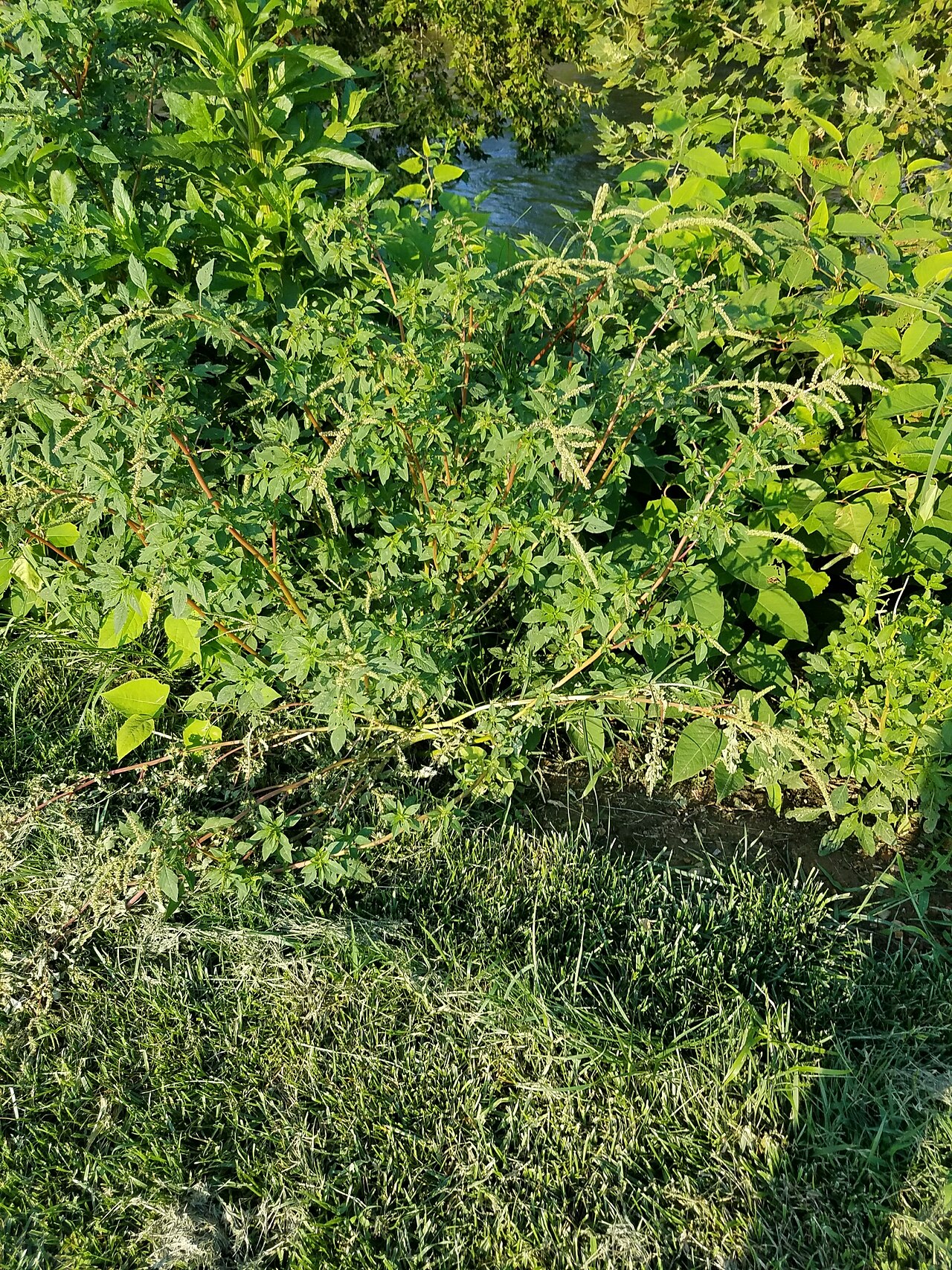
Photo: Lottery Discountz / Wikimedia Commons (CC0)
Source: Farms.com



Comments
(0)