
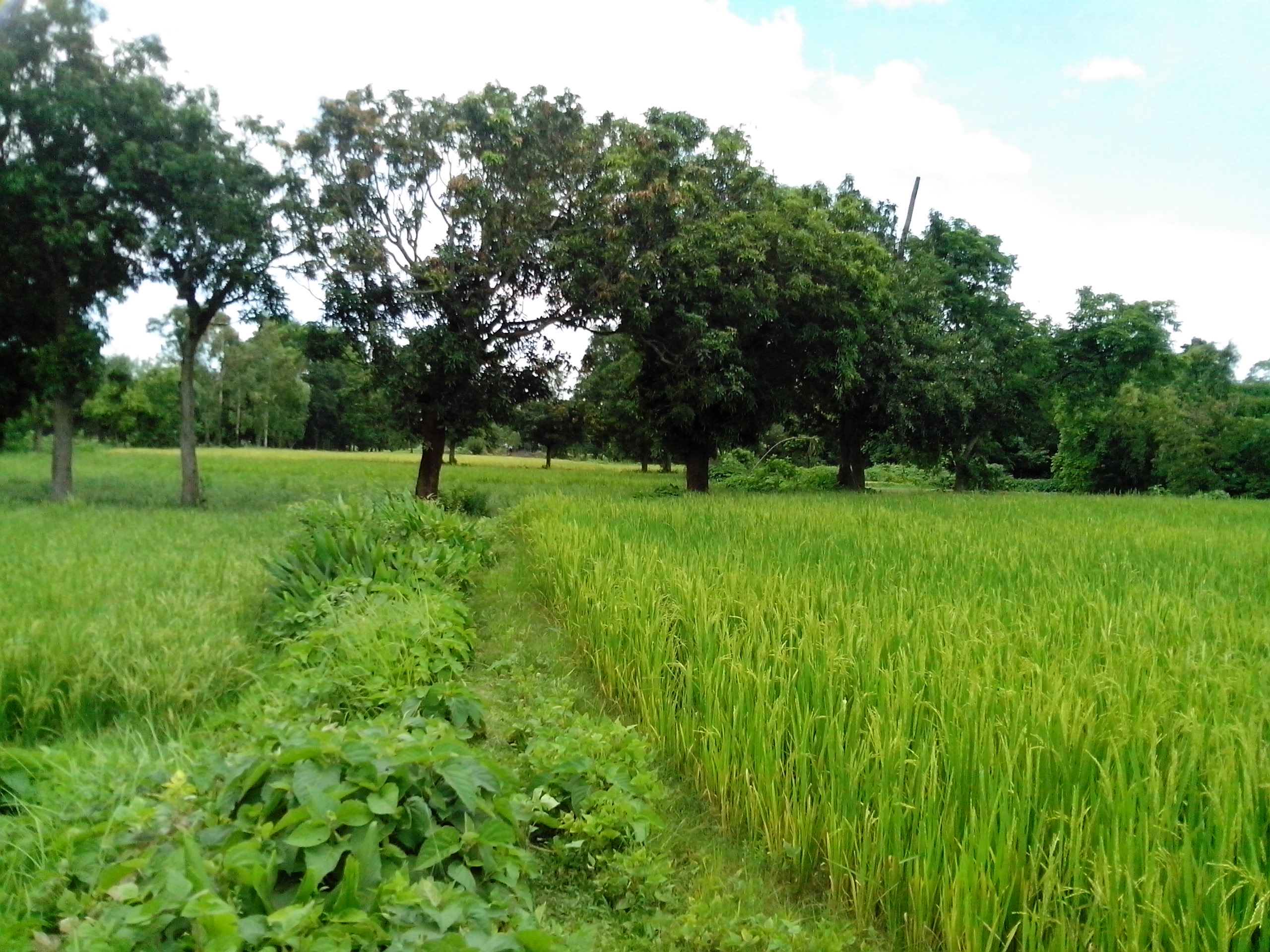
In May 2026 Jagonews24 reported from Barishal on Saikat Raihan Sakin, a young man from Tilak village in Kashipur union of Barishal Sadar upazila, who had turned a small fruit garden started with money saved from private tuition into a nursery and mixed fruit orchard on one acre of his family's land. The report, published on 11 May 2026, said the orchard holds more than 80 local and foreign mango varieties and saplings of about 70 foreign fruit species. Sakin told Jagonews that with planned fruit farming it is easily possible to earn Tk 5 lakh to Tk 7 lakh a year, and the report put his own income from the garden at about that level.
The report described the venture as an inspiration in the area. Sakin began it alongside his studies, and by the time of the report it had become both his own source of income and, through the saplings he sells and the advice he gives, the starting point for other orchards in Barishal.
A garden begun during the Covid pandemic
According to the report, Sakin chose a different path at a time when many young people were worried about an uncertain future during the Covid pandemic. With a little money saved from tutoring and a strong interest in fruit growing, he started a small orchard beside his home. "During Covid I started a small garden as a hobby with my tuition money, and slowly made it bigger," he told Jagonews.
The pandemic reached Bangladesh in March 2020. The country's epidemiology institute, IEDCR, reported the first three known cases on 8 March 2020, and on 22 March the government declared a shutdown from 26 March that was later extended to 30 May.
Sakin's father died when he was a child, and the whole responsibility for the family then fell on his mother. The report said her courage, encouragement and support became his main strength, and that his mother and his younger brother, Sihab Hasan Sannin, have stood by him throughout his work as an entrepreneur.
Sakin completed an MBA in marketing at BM College in Barishal in 2023. Instead of looking for a job after his studies, he built the nursery and mixed orchard on one acre of his family's land, the report said.
More than 80 mango varieties
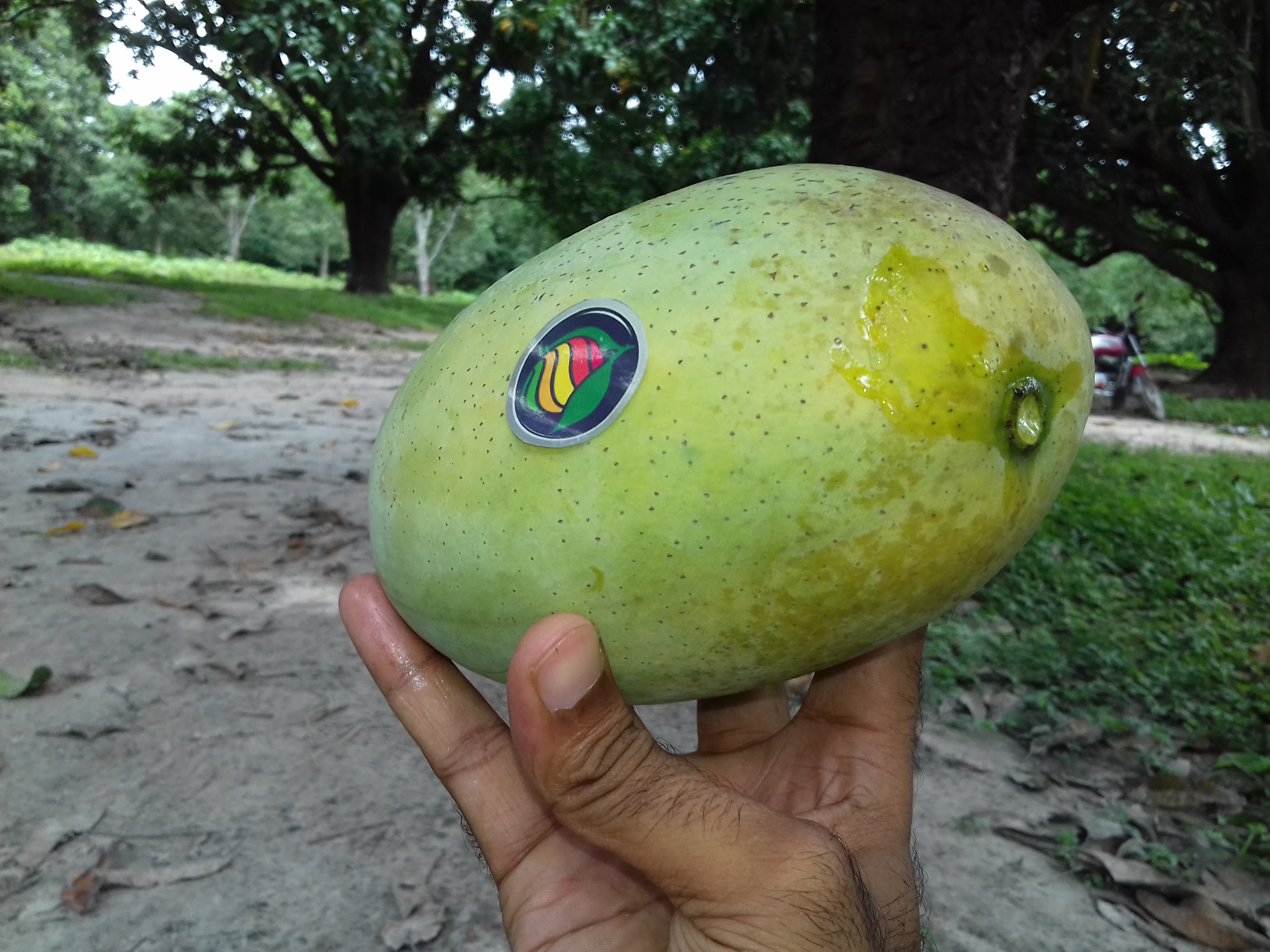
Mango is the centre of the collection. "I have a special love for mangoes," Sakin told Jagonews. Walking into the orchard, the reporter found mango trees of many kinds, with fruit of different colours, shapes and tastes: some long, some round or flat, some reddish, some green and some trees hung with yellowish fruit. Almost every tree was bearing fruit at the time of the visit.
The foreign and high-value varieties in his collection, as the report listed them, are:
- Banana Mango
- Chakapat
- Surjodim
- Austin
- BARI-4 (BARI Aam-4)
- Valencia Pride
- American Palmer
- Ambish
- Pusa Surya
- Arunima
The popular local varieties he grows include:
- Himsagar, Langra, Fazli and Amrapali
- Gopalbhog, Khirsapat, Ashwina and Mallika
- Katimon, Haribhanga, Ranipasand and Mohanbhog
- Dilpasand, Kohitur, Surma Fazli and Bombai
Where some of these mangoes come from
Several names on Sakin's list are improved varieties bred by research institutes. BARI Aam-4 was developed by the Bangladesh Agricultural Research Institute (BARI). A January 2024 paper in the EBAUB Journal by researchers at EXIM Bank Agricultural University, Chapainawabganj, describes it as a cross of the local variety Ashwina with M3896, a variety from Florida in the United States. The paper says its flesh is fibrous, both the ripe skin and the flesh are yellow, the fruit weighs about 200 to 500 grams, it can be grown all over Bangladesh, and it reaches the markets from the last week of July and stays available until August. The authors note that the variety took about 17 to 18 years to gain popularity.
The same paper says BARI Aam-3 is known locally as Amrapali: a dwarf, regular-bearing tree that fruits in clusters, with small fruit, deep orange-red flesh and about 2.5 to 3 times more beta carotene than other commercial varieties, in the market from 15 June to mid-July. In a survey of farmers in five upazilas of Chapainawabganj, the authors found Amrapali and BARI-4 to be the predominant hybrid varieties in the district, with 78.46 per cent of the farmers they surveyed growing both. Farmers favoured Amrapali for its taste, flavour, yield and tolerance of waterlogging, but more of them reported pest and disease problems with it.
The Amrapali and Mallika names go back to India. An October 2021 article in Indian Horticulture, a journal of the Indian Council of Agricultural Research (ICAR), says large-scale planting of mango hybrids began with Mallika and Amrapali, developed at the Indian Agricultural Research Institute (IARI) in New Delhi in the 1970s. It gives Mallika's parentage as Neelum x Dashehari and Amrapali's as Dashehari x Neelum, and notes that Amrapali is known for regular bearing and good performance in humid areas, particularly the coastal parts of West Bengal and Odisha, and has become a popular kitchen-garden variety. The same institute bred Pusa Arunima from Amrapali x Sensation.
A study at ICAR-IARI published in the Indian Journal of Agricultural Sciences in March 2020 compared the storage of 12 mango hybrids and varieties grown under Delhi conditions. Pusa Arunima kept longest, with a storage life of 12 days, and had the highest carotenoid content (7.47 mg per 100 g) and the highest overall acceptability score in the panel's tasting. Pusa Surya was among the IARI genotypes that lost less than 10 per cent of their weight in storage.
Palmer and Valencia Pride are late-season cultivars from south Florida. Palmer grew from a seed planted around 1925 in Miami and was named in 1949; its large fruit turns yellow with a red blush and ripens from July to early September in Florida. Valencia Pride grew from a Haden seed planted in Miami in 1937 and first fruited in 1941; its long, slender fruit is yellow with a crimson blush and nearly fibreless flesh, and the tree is a very vigorous grower that can pass 50 feet if left unpruned.
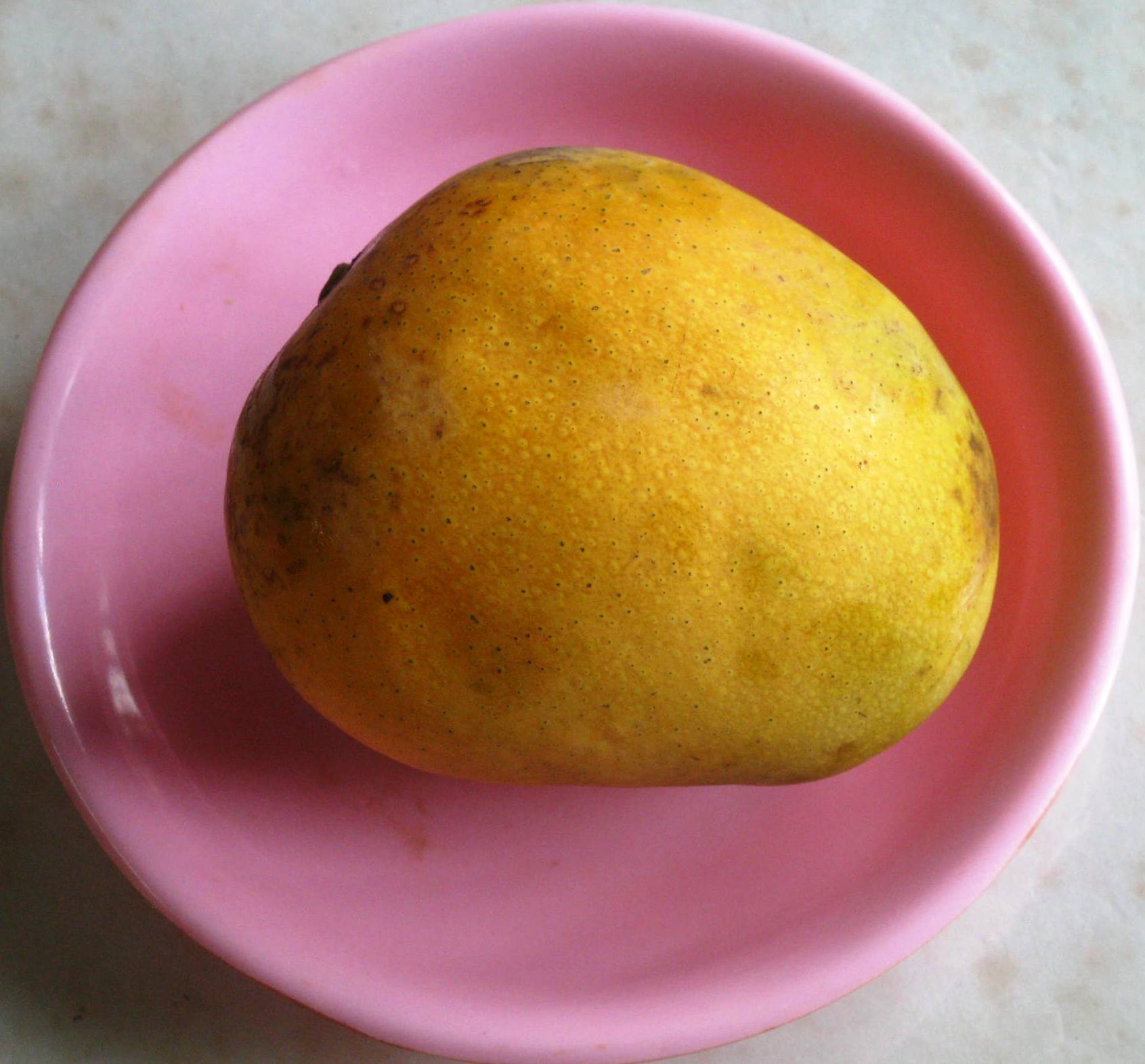
Among the local names, Himsagar has fibreless yellow to orange flesh, weighs between 250 and 350 grams and reaches the market from the second week of May to the end of June. Two of the varieties have geographical indication (GI) status in Bangladesh: according to the register of the Department of Patents, Designs and Trademarks, the Khirsapat mango of Chapainawabganj received its GI certificate on 27 January 2019, and the Fazli mango of Rajshahi and Chapainawabganj on 25 April 2023. Banglapedia lists Fazli, Langra, Gopalbhog, Himsagar, Khirsapat, Ashwina, Bombai, Kohitur and Mohanbhog among the country's elite varieties.
Jackfruit, rambutan and other fruit saplings
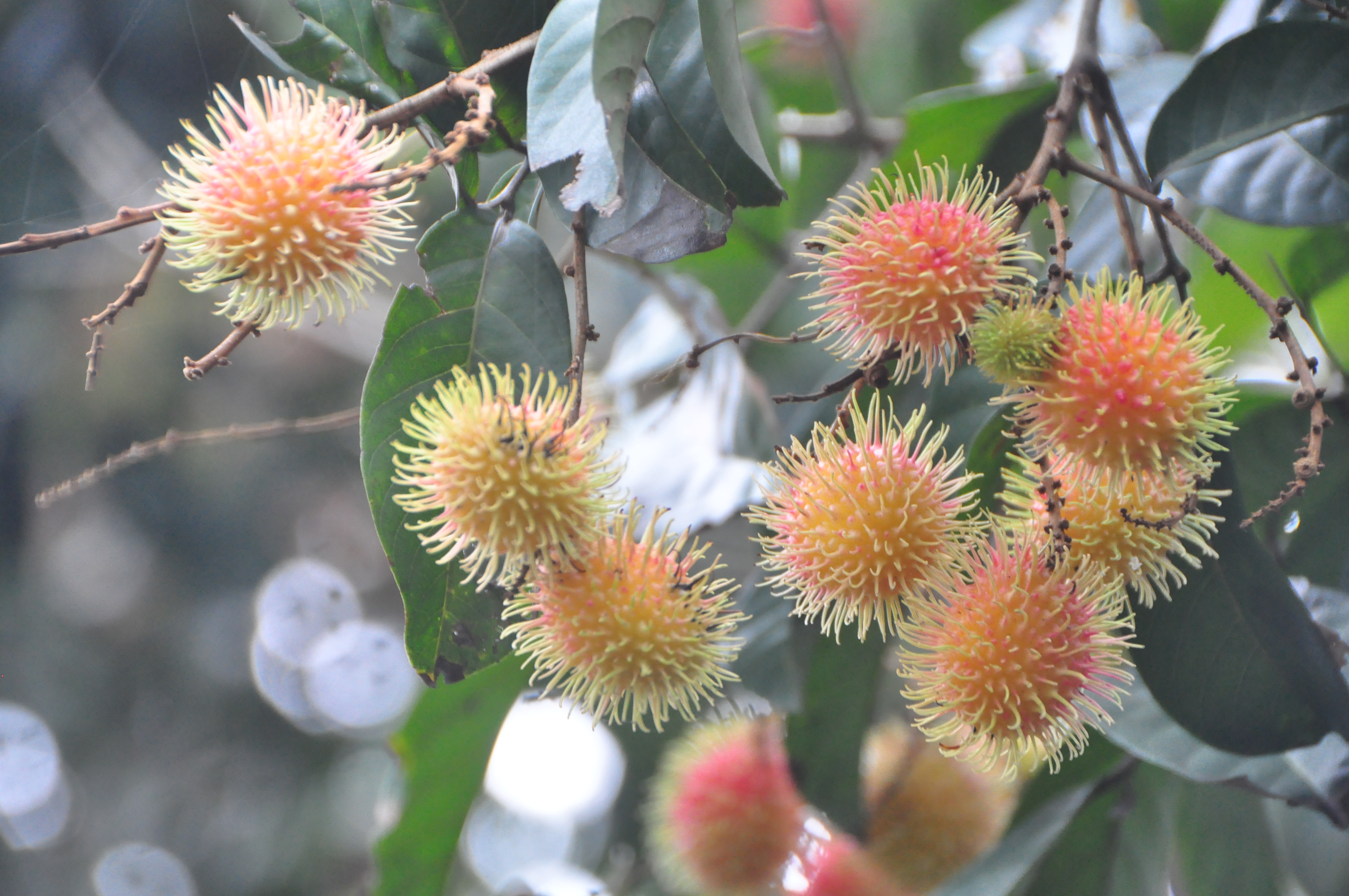
The orchard is not limited to mangoes. The report said Sakin keeps saplings of about 70 foreign fruit species, including gumless jackfruit, red jamrul (wax apple), malta, rambutan, avocado, grapes, pomegranate, orange and apple. A special attraction, it said, is a gumless jackfruit that bears fruit on a tree only three feet tall.
Jackfruit is the national fruit of Bangladesh. Banglapedia notes that it grows on almost any soil but prefers deep, well-drained loam, and that it cannot stand waterlogging: in the 1988 flood a large number of jackfruit trees were severely injured or killed while mango trees in the same conditions survived. Being cross-pollinated and mostly raised from seed, jackfruit has countless local types rather than distinct named varieties. According to Bangladesh Bureau of Statistics (BBS) data reported by The Financial Express in December 2025, the country produced 1.02 million tonnes of jackfruit in the 2024-25 fiscal year.
Malta is one of the newer fruits whose output is rising. The same BBS figures showed malta production at 12,929 tonnes in 2024-25, up from 11,064 tonnes the year before. The report added that Bangladesh still depends on imports for apples and oranges, spending about Tk 100 billion a year on around 0.85 million tonnes of imported fruit. Banglapedia notes that temperate fruits have generally not succeeded in Bangladesh, apart from grapes in some places, and that oranges are grown only in limited areas of Sylhet and the hills of Rangamati and Bandarban.
Rambutan (Nephelium lappaceum) is a tropical tree of the soapberry family native to Southeast Asia, with its centre of diversity in Indonesia; its sweet fruit has a hairy, leathery rind and a single seed. The avocado (Persea americana) is native to the Americas, from Mexico to Peru, and is often propagated by grafting to keep fruit output consistent. The wax apple (Syzygium samarangense), sold in Bangladesh as jamrul, is native to an area that includes the Greater Sunda Islands and the Malay Peninsula and is now widely grown in the tropics.
Saplings and advice for other growers
Besides running his own orchard, Sakin encourages others to grow fruit. The report said more than 10 orchards had already been set up in different parts of Barishal with his advice and help, and that many people had used saplings from him to make rooftop gardens. "Now people from different areas take saplings from me and make orchards," he said. "With planned fruit farming, it is easily possible to earn Tk 5 lakh to Tk 7 lakh a year."
"My aim is to prove that foreign fruits can be grown in Barishal's soil," he told Jagonews. "With the right varieties, good saplings, regular care and planning, young people can become successful entrepreneurs instead of chasing jobs." Local people quoted in the report called the orchard not just a nursery but a living example for young people of what dreams, hard work and patience can achieve.
Fruit nurseries of this kind are relatively new in Bangladesh. Banglapedia records that the Forest Department first developed nurseries in the middle of the 19th century, for forest trees, that private nurseries for horticultural plants appeared in the middle of the 20th century, and that the practice gained momentum in the early 1980s with growing demand for plants. Mango, sapodilla, jackfruit, litchi, guava, coconut and other fruit trees are among the plants commonly raised in nurseries.
Nurseries matter for mango because a tree grown from a stone does not keep its parent's qualities. Banglapedia explains that the country's elite varieties are propagated by grafting and other vegetative means, while seedling trees, known as deshi or guti aam, have no recognised variety names and an uncertain taste. In grafting, the shoot of the desired variety (the scion) is joined to a rooted stock so that the two grow together. In Bangladesh veneer and cleft grafting are commonly used for mango and epicotyl grafting for jackfruit, while budding is used for jujube, citrus and roses.
Mango in Bangladesh: area and output
The mango tree is the national tree of Bangladesh, and Mangifera indica is considered indigenous to the eastern part of the subcontinent, including Bangladesh. Banglapedia puts the number of mango cultivars available in the country at nearly 100, with the best-known orchards in Rajshahi, Chapainawabganj and Dinajpur and most other trees grown around homesteads.
According to Department of Agricultural Extension (DAE) figures reported by The Business Standard in April 2025, mango was grown on 2,05,034 hectares in the 2023-24 fiscal year, producing 25,08,973 tonnes, after 27,07,459 tonnes in 2022-23 and 23,50,499 tonnes from 2,02,968 hectares in 2020-21. The DAE set a target of about 27 lakh tonnes for the 2025 season and an export target of 5,000 tonnes. Exports had been 309 tonnes in 2016-17, 1,757 tonnes in 2021-22, 3,100 tonnes in 2022-23 and 1,321 tonnes in 2023-24, and Rajshahi, Naogaon, Satkhira and Chapainawabganj were named as the main producing districts. The BBS uses its own estimates: the figures reported in December 2025 put mango output at 1.87 million tonnes in 2024-25, down slightly from 1.89 million tonnes.
Banglapedia notes that grafted mango trees begin to bear in the fourth year after planting and stay productive until about their 45th year, while seedling trees start later but may bear for 60 years or more. Fruit setting suffers from fog, rain or cloudy weather from January to March, when the trees flower, and storms, particularly hailstorms, can cause immature fruit to drop. About three dozen insect pests attack mango in Bangladesh, from the nursery stage to maturity, among them mango hoppers, fruit weevils, stem borers and fruit flies, and fungal diseases such as anthracnose, sooty mould and powdery mildew also cause damage. Growers who need treatment advice are referred to their upazila agriculture office.
Barishal Sadar, Kashipur and BM College
Barishal Sadar upazila covers 324.40 square kilometres and has ten unions, Kashipur among them, according to Banglapedia. Its rivers include the Kirtankhola, Kalijira, Nayabhanga and Tentulia. Paddy, wheat, betel leaf and oilseeds are its main crops, and coconut, mango, litchi, betel nut, banana and amra (hog plum) its main fruits. The city of Barishal, on the bank of the Kirtankhola, is the headquarters of Barishal district and Barishal division and is known for its network of rivers and waterways.
The region has its own fruit research base. The Bangladesh Agricultural Research Institute's horticulture research was reorganised into a Horticulture Research Centre with a central station at Joydebpur and regional horticulture stations, one of them at Rahmatpur in Barishal. Patuakhali, in the same division, has a university of science and technology that grew out of the Dumki agriculture college founded in 1978, and its horticulture department works on fruits and other horticultural crops.
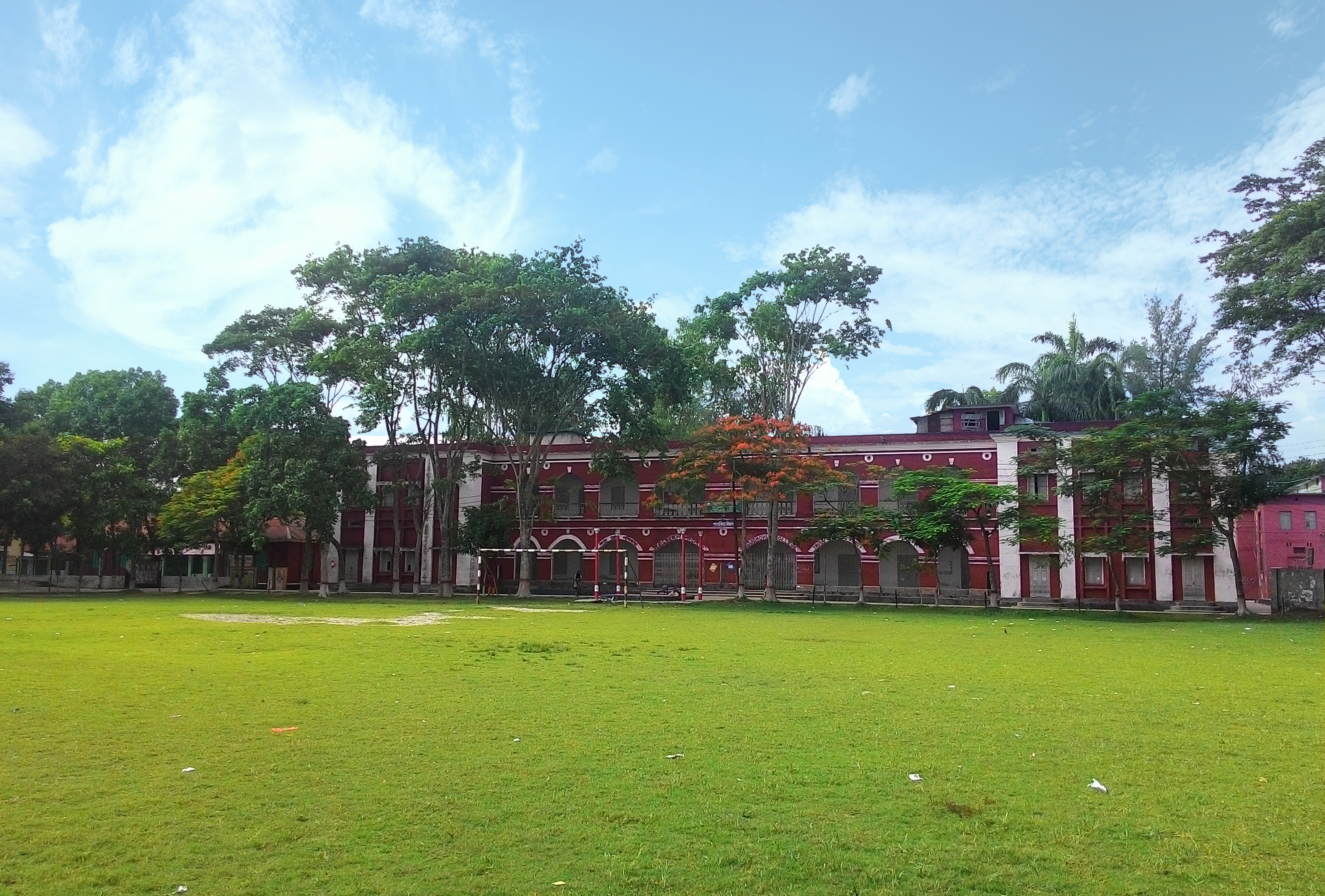
BM College, where Sakin studied, is one of the oldest institutions of higher education in the country. Banglapedia says it grew out of Brajamohan School, set up in Barishal in 1884 by Aswini Kumar Datta and named after his father, Brajamohan Dutta. It began college classes in 1889, became a first-grade college in 1898, moved to its present campus in 1917, was nationalised on 1 July 1965 and became a university college in 1993.
What the agriculture officials said
Uttam Bhowmik, agriculture officer of Barishal Sadar upazila, told Jagonews that sub-assistant agriculture officers had already looked into Sakin's orchard and would visit again to give help and advice if needed.
Md Mamunur Rahman, additional deputy director of the Department of Agricultural Extension in Barishal, said: "We help entrepreneurs of this kind with the advice they need, technical support and access to farm credit. The necessary support will be arranged for Sakin's orchard too."
The DAE is the government department responsible for agricultural extension in Bangladesh. Banglapedia notes that it produces and distributes grafts of elite mango cultivars from its orchards, horticulture centres and nurseries across the country, while BARI's research stations work on propagation, production and post-harvest technology.
Photo: SyedAminul / Wikimedia Commons (CC BY-SA 4.0)
Sources: Jagonews24, The Business Standard, The Financial Express, EBAUB Journal (EXIM Bank Agricultural University Bangladesh), Indian Horticulture (ICAR), Indian Journal of Agricultural Sciences (ICAR-IARI), Banglapedia, Department of Patents, Designs and Trademarks, Wikipedia
Comments
(0)