
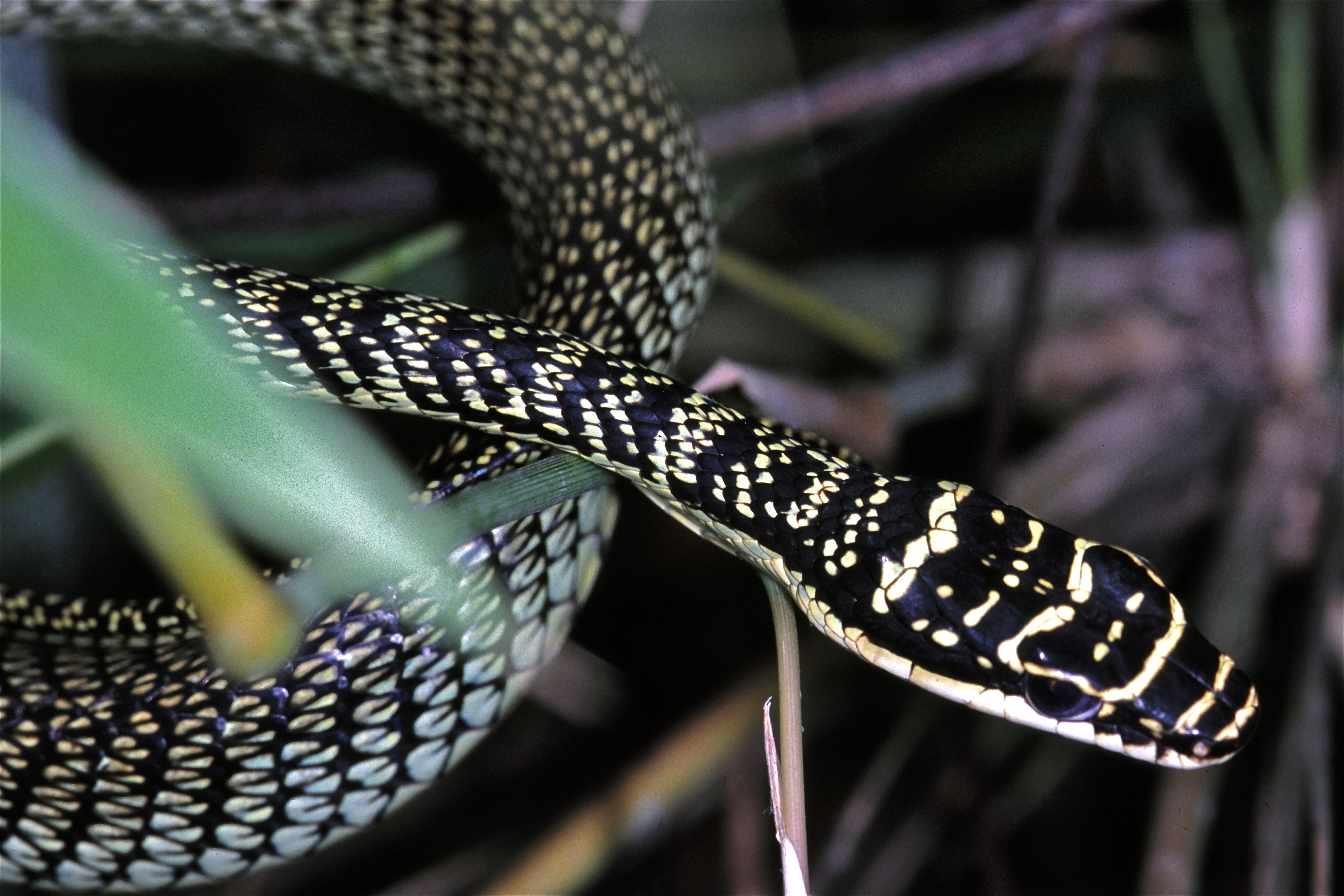
Volunteers from Animal Lovers of Patuakhali rescued another pair of kalnagini, the golden tree snake, from the office of the Barishal Range Deputy Inspector General of Police (DIG) on Monday 8 June 2026. A first pair had been taken from the same office the day before, so four snakes were found there in two days. Jagonews24 reported the rescue on 9 June.
Four snakes in two days
According to the report, police officers working at the office saw the snakes on the afternoon of 8 June and called Animal Lovers of Patuakhali. The two snakes were caught after five hours of continuous work. Asadullah Hasan Musa, the group's director, said: "Police working at the DIG's office again saw snakes at the same spot. We ran another rescue operation from the afternoon, and at that time another pair of kalnagini snakes was found."
On the afternoon of Sunday 7 June, three snakes had been seen in the office. The rescuers first had to break the decoration on one side of the office; when they found nothing there, they broke into a wall and found a pair of kalnagini in a gap inside it.
Musa added: "It does not seem that the DIG's office is completely free of snakes. Many people working there say they have still seen snakes here and there. Our work to rescue them is continuing."
Snakes handed to the Forest Department
Arif Rahman, Barishal Sadar range officer of the Social Forestry Department, said: "Members of Animal Lovers of Patuakhali rescued four kalnagini snakes in two days. The two snakes rescued on the first day have been released into the forest. The two rescued on the second day are in the Forest Department's custody."
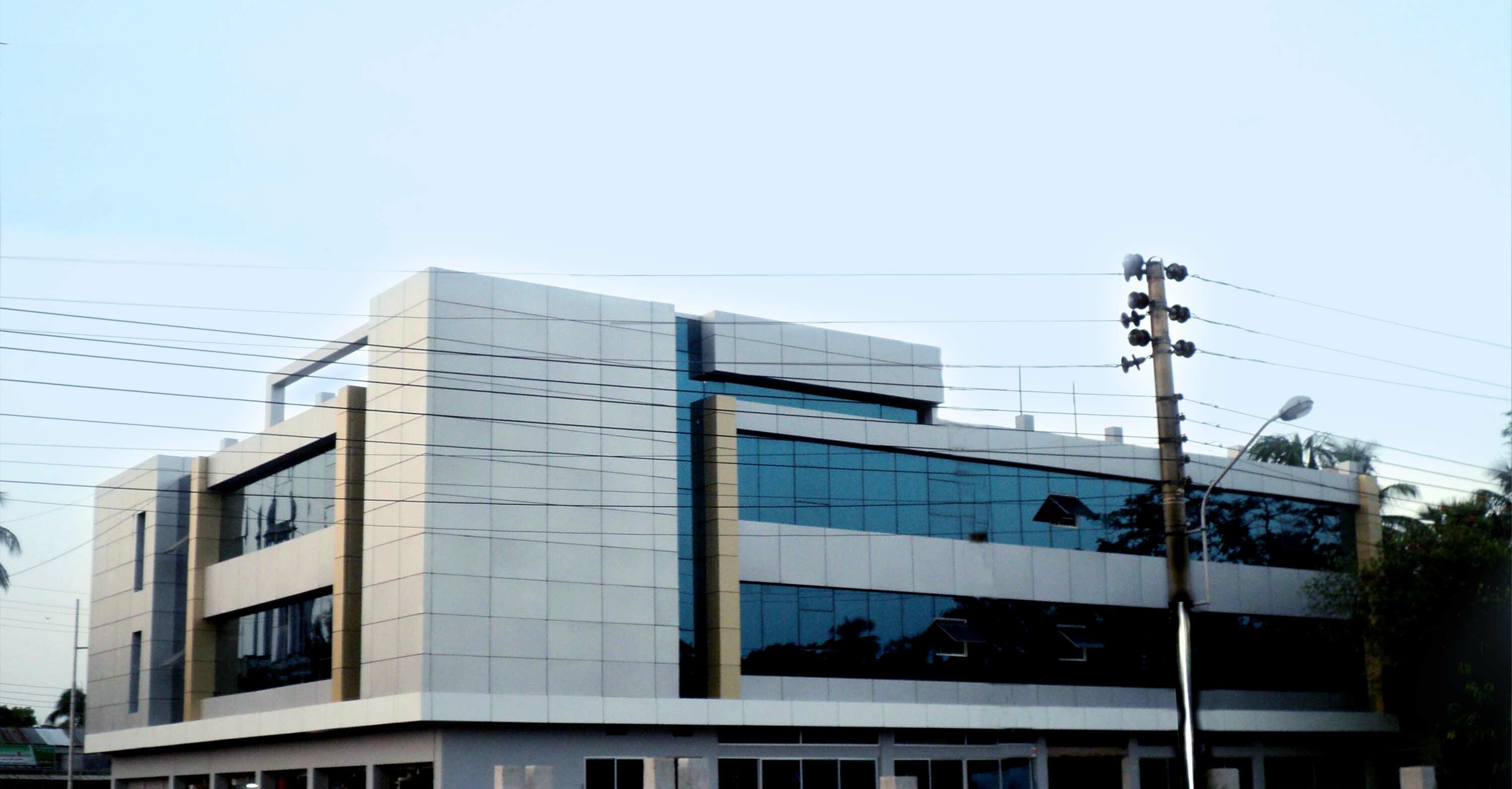
Barishal Range DIG Md Mostafizur Rahman said: "The area around the office is full of bushes. The snakes may have entered the office from there. A search is being made to see whether there are more snakes."
What the kalnagini is
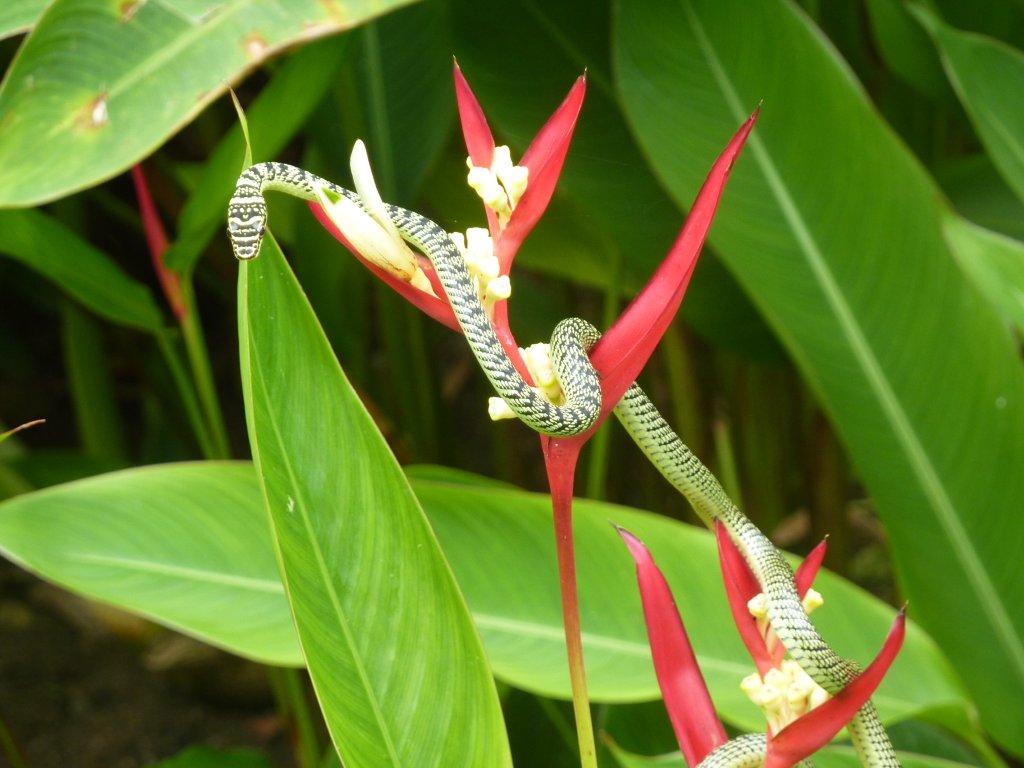
The kalnagini is Chrysopelea ornata, known in English as the golden tree snake, ornate flying snake or golden flying snake. Bengali Wikipedia lists other local names, among them uronto shap (flying snake) and kalnag. The Reptile Database records it across South and Southeast Asia, including Bangladesh, India, Nepal, Sri Lanka, Myanmar, Thailand and China.
It lives in trees and is active by day, and grows from 11.5 to 130 centimetres long. It eats small lizards, bats, rodents, bird eggs and insects. From a high branch it can launch itself and flatten its body to glide, which is why it is called a flying snake. It adapts well to human settlements, where it hunts in roof thatch and coconut palms.
The snake is mildly venomous, with fangs at the back of the mouth, and according to Wikipedia its venom is not considered dangerous to humans. The Reptile Database notes, however, that it is shy but will bite when approached, so the safe course is to call trained rescuers or the Forest Department rather than handle it, as the police in Barishal did. The IUCN lists the species as Least Concern.
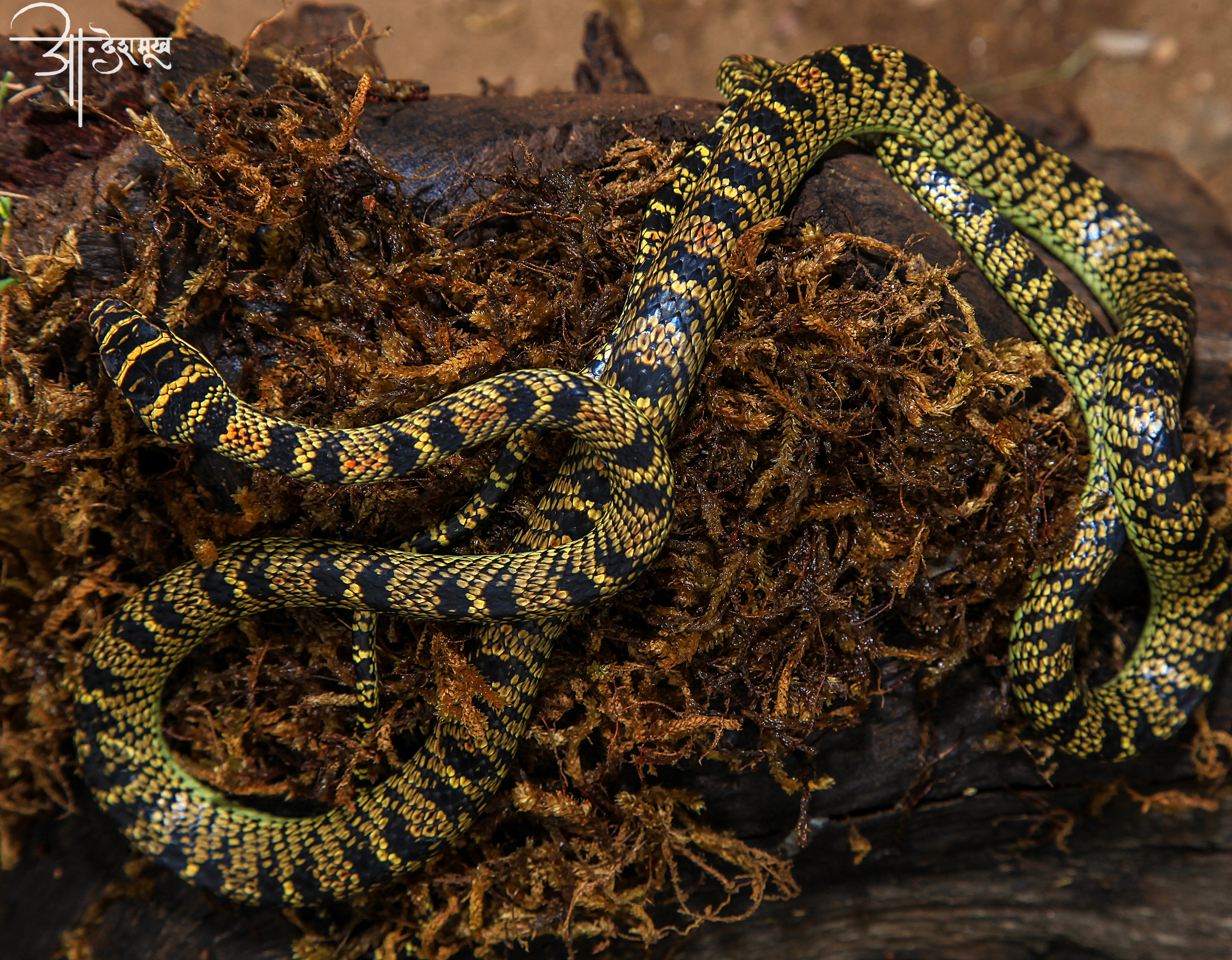
Photo: Bernard DUPONT / Wikimedia Commons (CC BY-SA 2.0)
Sources: Jagonews24, Wikipedia, The Reptile Database
Comments
(0)