LiveMarket prices
Wheat flour (packaged)58—Ginger (imported)167—Ginger (local)154—Aman rice (medium)56—Aman rice (coarse)48—Aman rice (fine)72—Iodised salt (packaged)32—Green chilli218—Broiler chicken162—Mutton900—Sugar (local)132—Chickpeas (whole)85—Farm eggs (red)47—Onion (local)60—Boro rice (medium)55—Boro rice (coarse)47—Boro rice (fine)66—Beef729—Mung dal122—Garlic (imported)192—Garlic (local)173—Soybean oil163—
Updated 30 September 2026
Dhaka35°Partly cloudyHumidity 48%Wind 8 km/h

Kushtia polythene factory shut, 845 kg seized and Tk 100,000 fine

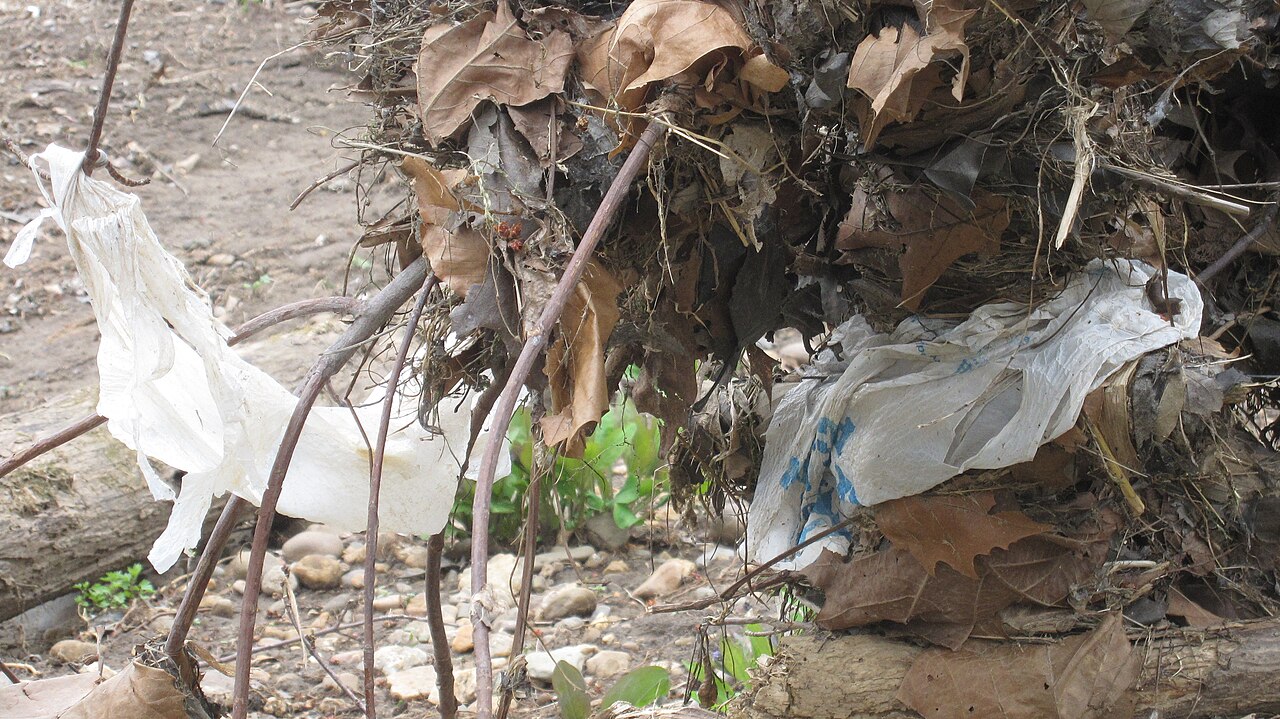
The Department of Environment fined Nayan Packaging in Chourhas, Kushtia Sadar Tk 100,000 for making banned polythene, seized 845 kilograms and shut the factory.

Kushtia polythene factory shut, 845 kg seized and Tk 100,000 fine
Environment

The Department of Environment has fined a factory called Nayan Packaging Tk 100,000 for making banned polythene in the Chourhas area of Kushtia Sadar upazila, seized 845 kilograms of polythene and shut the factory down, Barta24 reports.

The mobile court sat on Tuesday, 29 September as part of the department's regular anti-polythene drives in Kushtia. The department said the factory was producing banned polythene in breach of the Bangladesh Environment Conservation Act 1995 (amended 2010); a case was filed under section 6(a) and the fine was collected on the spot.

The seized polythene is being held in the store of the department's Kushtia district office. The court was conducted by assistant commissioner and executive magistrate Monira Akter, with senior chemist Md Habibul Basar as chief prosecutor and inspector Nasrin Sultana as prosecutor.

Habibul Basar said drives against the production, storage and use of banned polythene, which harms the environment, will continue regularly. The report is by Barta24's Kushtia correspondent.

Photo: Ivy Main / Wikimedia Commons (CC BY-SA 3.0)

Source: Barta24
Barta24Source

Environment

Related stories

Bangladesh

Active Tista Floodplain (AEZ-2): Farming Where the Teesta Gives and Takes Land

Bangladesh's second agro-ecological zone is a narrow, restless belt along the Teesta, Dharla and Dudhkumar rivers. Here the river builds new land and takes old land away, and farmers grow maize, potatoes, chillies and carrots on chars that may vanish in the next flood. Understanding it takes village-level records, and satellite images and machine learning can help only when they are checked in farmers' fields.

Tania Chowdhary30 September 202612 min read

Comments

(0)