
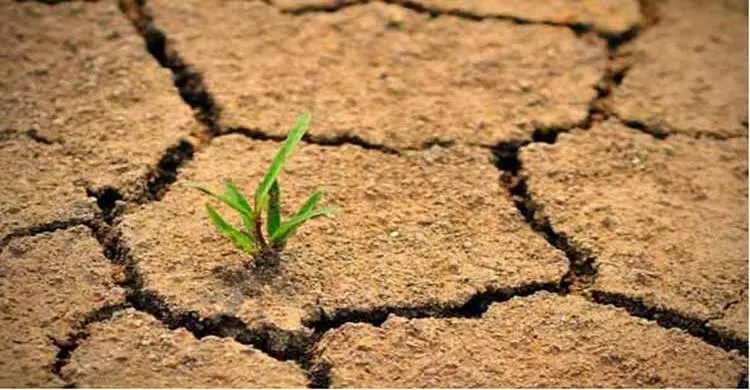
Bangladesh's seasons are changing fast. Winter brings little cold, the monsoon brings little rain, and for most of the year it feels hot. Winter, summer and the rains still come, but their timing is shifting. Drought and heatwaves are threatening both people's lives and biodiversity. Experts say climate change is behind the warming and the disruption of the seasons. They believe the country must sit down with the powerful nations responsible for the problem, and they also call for more awareness at home.
Experts say urbanisation and industrialisation are adding more infrastructure while wetlands, forests and green cover shrink, and that urgent steps are needed to protect them.
Forest loss at home and abroad
A report by Global Forest Watch (GFW), an international forest-monitoring organisation, says 253,000 square kilometres of forest were cleared worldwide in 2021.
Such huge losses happen almost every year, not only in 2021. According to the Food and Agriculture Organization of the United Nations (FAO), the rate of forest loss in Bangladesh is the highest compared with the amount of forest cleared worldwide each year. By the FAO's count, about 1.4 per cent of the world's forest has been cleared over the past 15 years, against 2.6 per cent in Bangladesh, where 2,600 hectares of forest are lost every year.
Even protected forest is not spared. The Sundarbans, the world's largest mangrove forest and known as the lungs of Bangladesh, has been shrinking in extent and density. A study by the private organisation Unnayan Onneshan found that vegetation in the Sundarbans has fallen sharply over the past two decades, its density has dropped and cleared, empty land is growing. The forest has shrunk to half its former size: the Bangladesh part once covered 17,000 square kilometres and now covers 6,467 square kilometres.
A Forest Department report presented to a meeting of the parliamentary standing committee on the Ministry of Environment, Forest and Climate Change said 257,158 acres of forest land have been occupied across the country. Some 160,566 influential individuals and organisations hold the land, on which houses, farms and even factories have been built.
Heat, drought and missing rain
This Ramadan people suffered a long spell of intense heat. Such weather is normal in the Bengali month of Chaitra, but temperatures were the highest in several decades. The previous monsoon also brought little rain, and knowledgeable people fear the same this year. They say the pattern itself has changed: rain does not come when it should, cold does not come when it should, and heat does not ease when it should. Excessive rain and excessive heat are now reaching Bangladesh too.
Dr Ahmad Kamruzzaman Majumder, professor of environmental science at Stamford University, told Jagonews that July, August and September are counted as the rainy season, when most rain falls. But last year July had comparatively little rain and August almost none. At the end of June and start of July, heavy rain in neighbouring India caused widespread flooding in Bangladesh's Sylhet region.
He said such extremes of heavy rain and no rain were not usually seen before, and his team has identified two broad causes. The first is global climate change, which has changed the intensity and density of rainfall, with an effect across the subcontinent. The south-easterly winds and rain that are the main feature of the monsoon in July were not seen this time, he said, calling it a major effect of climate change.
The second cause, he said, is local. Rain depends on water evaporating from wetlands in sunlight, condensing into clouds and falling as rain, and this is not happening properly. Water vapour also comes from trees through transpiration: trees draw water from the soil through their roots and release vapour as a by-product of photosynthesis. The more trees, the more vapour rises to help form rain.
On one side wetlands are shrinking and on the other green cover is contracting, while built-up areas, urbanisation and industry expand, he said. A great deal of farmland is being lost to infrastructure, which is reducing rainfall, along with some other factors.
He believes Bangladesh bears little responsibility for global climate change and that the responsible states must be brought to the negotiating table. Locally, more trees must be planted, development projects in forest areas must be dropped and the Glasgow agreement must be implemented.
Record drought and floods
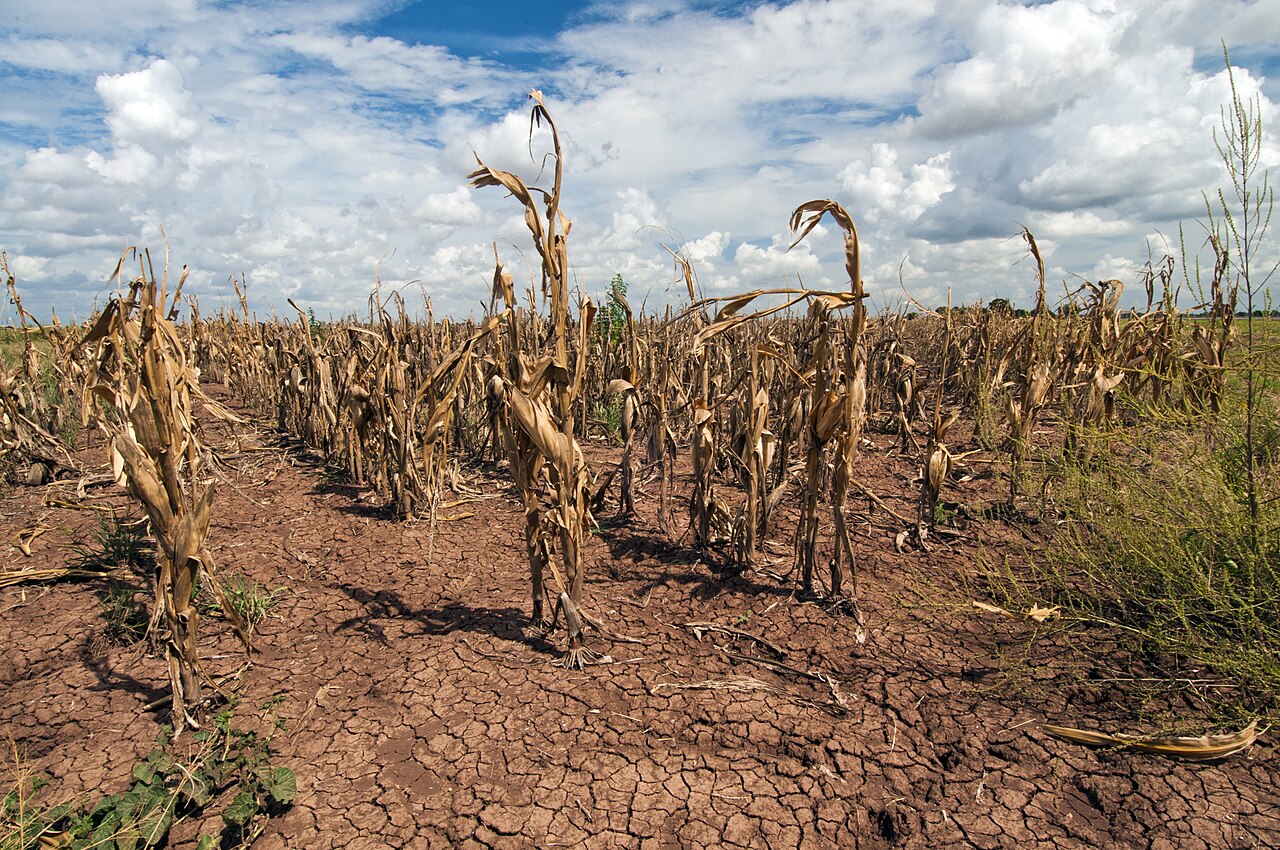
Professor Mokaddem of Dhaka University told Jagonews that climate change is accelerating through globalisation, driven above all by global warming and the greenhouse process, which is behind drought around the world. Last year Bangladesh saw its worst drought in 42 years, and Europe its worst in 500 years, he said. Drought on one side and warming on the other are producing extreme weather. Last June, July and August should have brought heavy rain but conditions stayed dry. At the same time Cherrapunji in neighbouring India recorded its highest rainfall in 103 years, causing flash floods in the Sylhet region.
He said that in the same period last year three low-pressure systems formed over the south of the country within 11 days, pushing tides two feet above normal and flooding low-lying areas. Warming is creating such conditions, he said. In America extreme weather is fuelling wildfires that destroy thousands of hectares of land and trees; forests in Spain, Australia, Greece, Italy and other countries are burning, and North Africa faces severe drought.
Drought and climate expert Bidhan Chandra Das told Jagonews that the pattern itself is changing: when rain should fall it does not, and instead there is too much or too little. This is the effect of climate change, he said, and the way out is not in Bangladesh's hands; it is a global crisis that must be tackled globally. At last year's climate conference (COP26), world leaders reached an understanding after much argument, but the Russia-Ukraine war ended it all, he said, and "we are waiting to see what happens next".
Source: Jagonews24. First published in Bengali on The Agro News.
Comments
(0)