
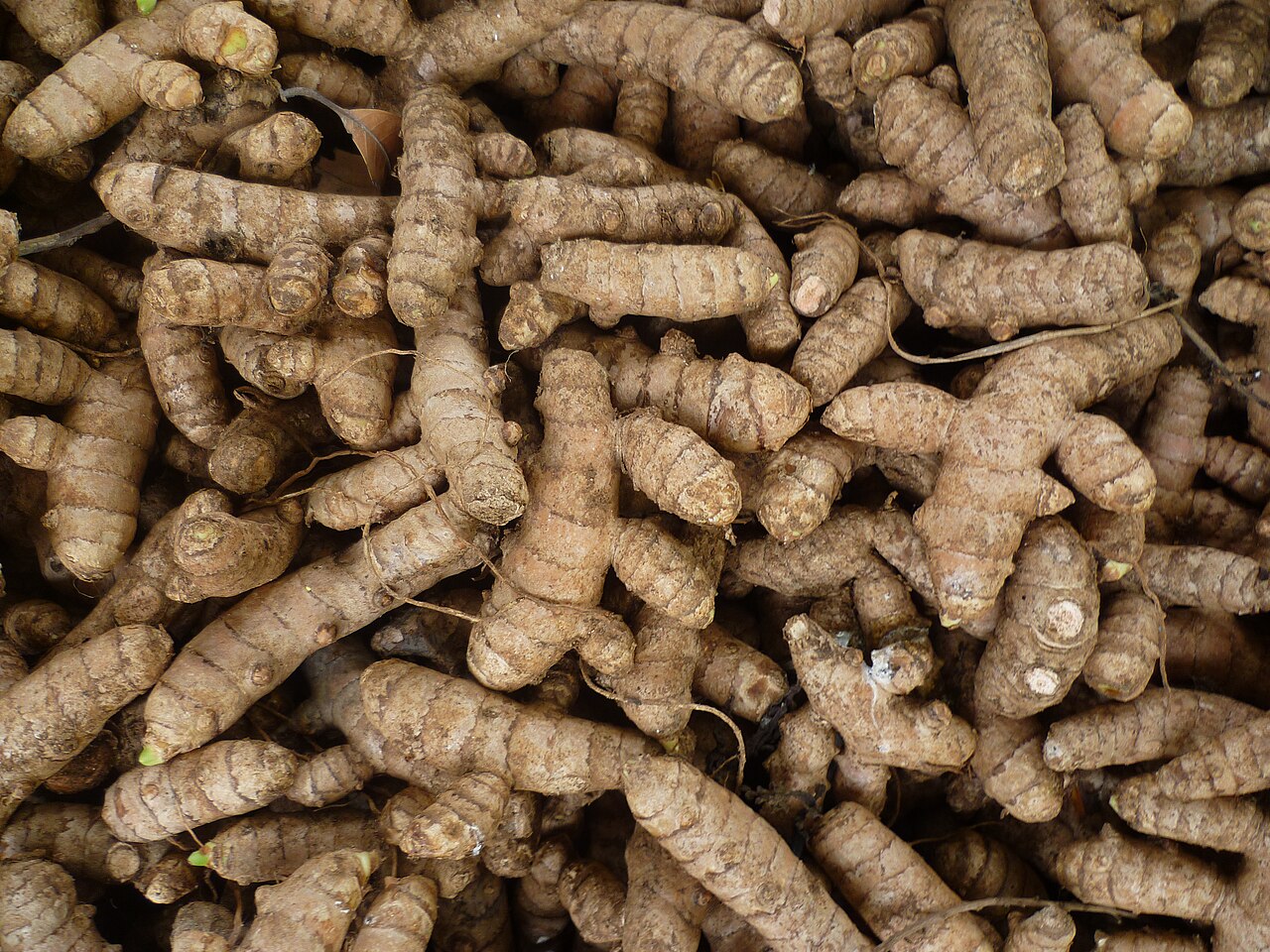
Scientists at the Spices Research Centre (SRC) of the Bangladesh Agricultural Research Institute (BARI) at Shibganj, Bogura, have developed about 60 high-yield varieties of 27 spices and 150 production technologies since the centre opened in 1995, according to a BSS report carried by Dhaka Mail.
SRC officials say Bangladesh grows about 4,878,000 tonnes of spices on 448,000 hectares. With 25-30% lost in storage, real output is about 3.4 million tonnes, against demand of 4,788,000 tonnes, leaving a gap of about 1.3 million tonnes.
Chief scientific officer Dr Md Masud Alam said the SRC is the country's only specialised spice research institute. Farmers have done well with ginger grown in sacks and improved turmeric and onion varieties, and the centre has developed storage products such as onion and garlic powder and ginger and green chilli pastes and powders. He called for modern laboratories, a bigger budget, proper stores for onion and garlic, and easy farm loans.
Md Masudur Rahman, director of the spice varieties and technology extension project, said Bangladesh had to import 63,000 tonnes of chillies in 2025-26 because there is no way to store its own crop. The project is handing out chilli dryers, encouraging chilli planting in Chaitra and Baishakh to cover the monsoon gap, and setting up mother orchards of cinnamon, black pepper and bay leaf.
Cumin imports cost about Tk 900-1,000 crore a year. After a successful 50-bigha trial in 2025, cumin is being grown on 130 bighas this year, mainly in the Padma basin: Kushtia Sadar, Godagari, Faridpur, Shibganj, Jhenaidah Sadar, Ishwardi, Jibannagar and Damurhuda. Ginger in sacks on the plains and on hill land is also being spread; the three hill districts of Rangamati, Bandarban and Khagrachhari supply about 40% of the country's ginger.
Department of Agricultural Extension director general Md Abdur Rahim said 15,000 air-flow machines for onion storage were given to farmers this year, after 11,700 earlier, and that no onions had to be imported this year. Work is also under way on monsoon-tolerant chilli, sack-grown ginger and summer tomato. Cardamom and cinnamon need more research, he said, as the country's soil and climate do not suit them well.
Photo: Sivaranjani / Wikimedia Commons (CC BY-SA 3.0)
Source: Dhaka Mail

Comments
(0)