
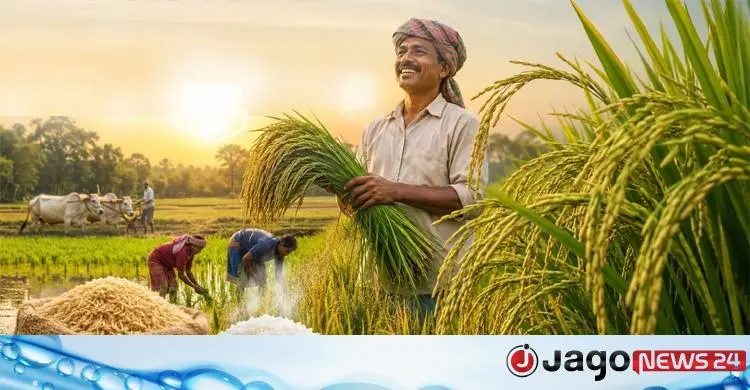
Rice is not just a crop; it reflects the life, culture and existence of a nation. It is deeply bound up with the life, culture and economy of the people of Bangladesh. In a thousand-year-old farming civilisation, rice has played an important role not only as the main staple but as part of rural life, festivals, folk culture and social tradition. Most of the country's farmers depend on rice for their livelihood, so its contribution to the national economy is vital. Despite climate change, shrinking farmland and rising production costs, rice remains the main foundation of Bangladesh's food security. Sustainable farming built around rice, the use of modern technology and a fair price for farmers are therefore among today's most important needs.
When the wind ripples across green paddy fields, it seems nature has painted life's most beautiful picture with its own hand. Rice is not only a crop born of the farmer's sweat; it is a unique mark of life woven deeply into Bengali food, culture, economy, history and emotion. Rice sits at the centre of a thousand-year civilisation, rural tradition, folk culture and economic foundation, and its real importance cannot be grasped if it is seen merely as a farm product.
Staple food and living tradition
Bangladesh is an agricultural country. Its people's main food is rice, and rice comes from paddy. From birth to death, paddy is present in every social and family ritual. The 'Nabanna' festival celebrates bringing the new harvest home, pitha and payesh made from rice are served to guests, and paddy is used as a symbol of good fortune and prosperity at weddings and religious ceremonies. Rice is not merely something that ends hunger; it is the soul of Bengali culture and tradition.
Year after year, Bengal's farmers have battled nature to grow rice and secure the country's food supply. Bangladesh, once known as a food-deficit country, is today one of the world's leading rice producers. This has been made possible by the combined efforts of farmers' hard work, researchers' innovations, improved seed, irrigation and agricultural extension. Rice is now grown in three seasons, Boro, Aman and Aus, and the livelihoods of crores of people depend on the sector.
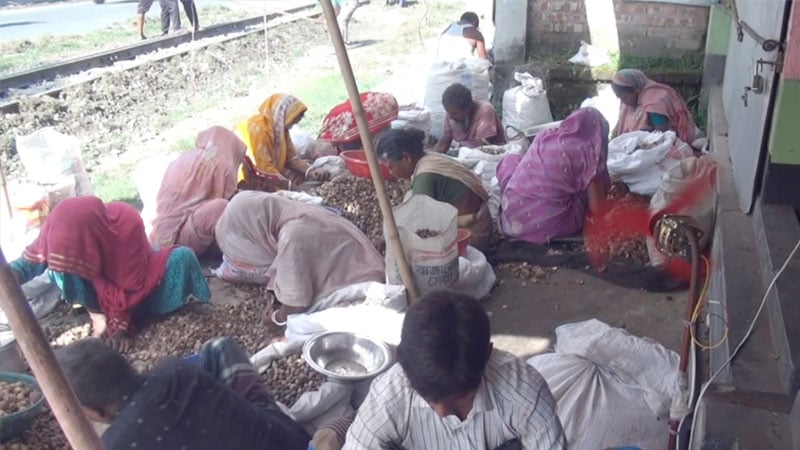
Rice also plays a vital role in the economy. A huge share of the population is directly or indirectly involved in rice production, transport, processing and marketing. Farm workers, paddy traders, rice mill owners, transport workers and retailers are all part of this rice-based economic cycle. When the harvest is good, the rural economy keeps moving, people's purchasing power rises and markets feel the benefit.
Growing challenges
But growing rice is no longer as easy as it was. Climate change, erratic rainfall, extreme heat, river erosion, salinity and natural disasters have become major challenges. In the south of the country in particular, salinity means many fields can no longer be farmed for rice as before. Sometimes excessive rain, sometimes drought, shatters farmers' hopes. Production costs are rising while farmers often lose heart because they do not get a fair price. Modern technology and scientific management are therefore essential to keep farming sustainable.
Fourth industrial revolution technologies are rapidly entering agriculture worldwide, and their use in rice farming is growing in Bangladesh too. AI, IoT, big data, drones, smart soil sensors and weather forecasting are opening new possibilities. Soil fertility, pH, moisture and nutrient deficiencies can now be analysed so that fertiliser is applied precisely, cutting production costs and raising yields. If farmers get the right information at the right time, coping with climate risk will also become easier.
Rice is not only the base of the economy but the main pillar of food security. In times of war, pandemic or turmoil in international markets, a country's own capacity to produce food becomes most important. A country that can feed itself is far more stable and secure. Raising rice production is therefore not just agricultural development but a strategic step towards national security.
Bringing young people into farming
Many young people today see farming as a backward occupation, yet modern technology-driven agriculture is becoming a promising field for entrepreneurs. Improved rice varieties, organic farming, smart farming and digital marketing can make agriculture profitable and attractive. That requires involving educated young people in farming and establishing it as a respected profession.
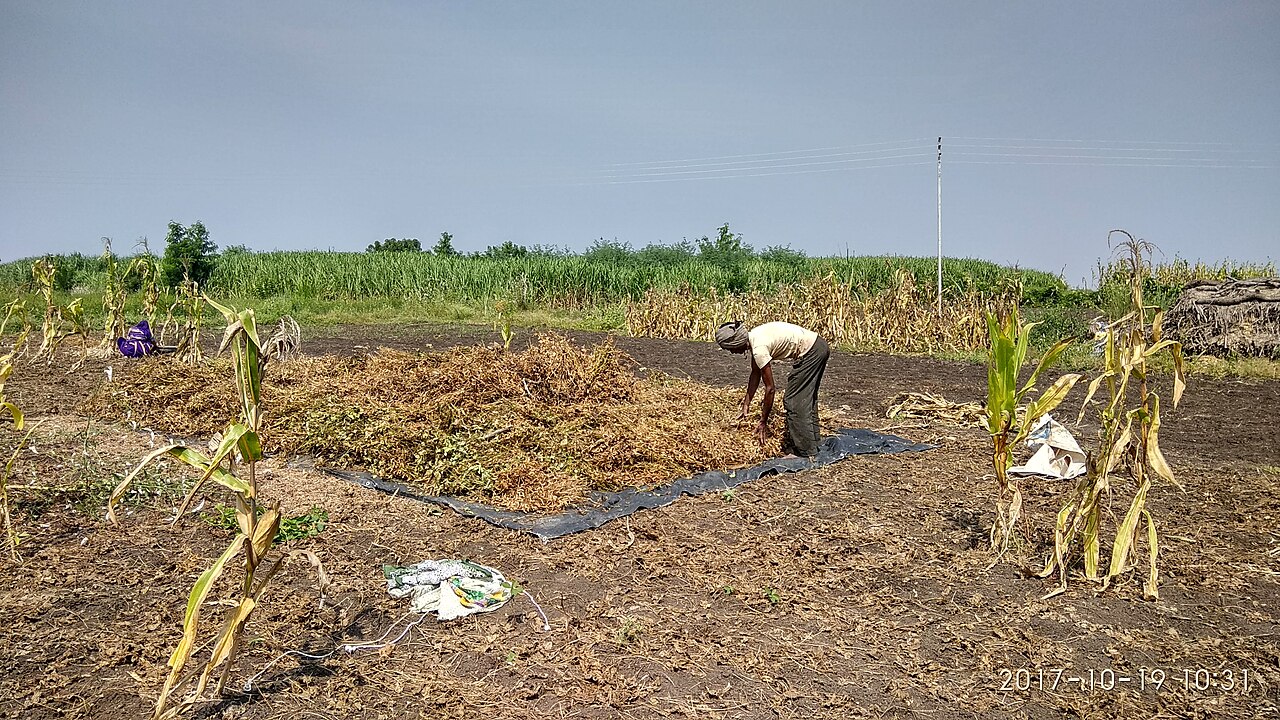
Village life once revolved around rice. Harvesting, threshing, granaries full of paddy and haystacks were essential parts of rural life. In the rice season, the fields filled with collective labour, songs and a festive atmosphere. The picture has changed somewhat with modernity, but rice remains a symbol of emotion and unity in rural society.
Rice also runs through our literature, music and art. At the centre of the images of Bengal's lush, crop-filled landscape painted by the poet Jibanananda Das were paddy fields. Rice returns again and again in folk songs, pala gaan and village rhymes, because rice means life, hope and the story of survival.
To understand the farmer's struggle, one must go to the paddy field. The labour farmers put in under blazing sun, in mud, rain and uncertainty is what feeds crores of people. Sadly, society does not always value their contribution properly. Ensuring farmers a fair price, building a sound market for farm produce and making farmer-friendly policies are the demands of the time.
Sustainable, farmer-centred planning
Raising rice output needs not only technology but also attention to environment-friendly farming. Excessive use of chemical fertilisers and pesticides is damaging soil health, raising the risk that productive capacity will fall in the long run. Sustainable farming, organic fertiliser, balanced nutrient management and water conservation must be given priority, and research to develop new climate-tolerant rice varieties must be strengthened.
Agriculture and rice must be given top priority in Bangladesh's future development strategy. Development should not be city-centred alone; modernising agriculture is vital to strengthen the rural economy. If farmers survive, the country survives, food security is assured and the economy grows stronger.
Rice is part of the identity of our land and people; the history, struggle and self-identity of Bengal are mingled in its scent. There is no room to neglect it. If rice production can be enriched through technology-driven, environment-friendly and farmer-centred planning, Bangladesh will not only be self-sufficient in food but will move towards a sustainable and strong economy.
In the end, rice is not just a means of meeting people's food needs; it is an inseparable part of our life, culture, economy and farming civilisation. Its bond with Bengal's rural traditions, festivals, folk culture and the farmer's struggle is very deep. It continues to play an important role in ensuring food security, creating jobs and driving economic progress. To meet the challenges of climate change and modern agriculture, rice production must be strengthened through improved technology and sustainable farming systems.
To protect the heritage and potential built around rice, farmers, researchers and the state must work together. Rice is not just a crop; it is a symbol of a nation's life cycle. In each ear of rice lie the farmer's dreams, the country's food security, rural culture and economic stability. As long as the ears of rice sway in Bengal's green fields, the life, heritage and hope of this country will live on.
Source: Jagonews24. First published in Bengali on The Agro News.
Comments
(0)